Why Hate Movements Always Collapse
Every hate movement looks unstoppable right up until the moment it isn't. The collapse always surprises the people inside — never the people watching the blueprints.
Part 1: Why Hate Movements Always Collapse — Concept
+5 XP on completion
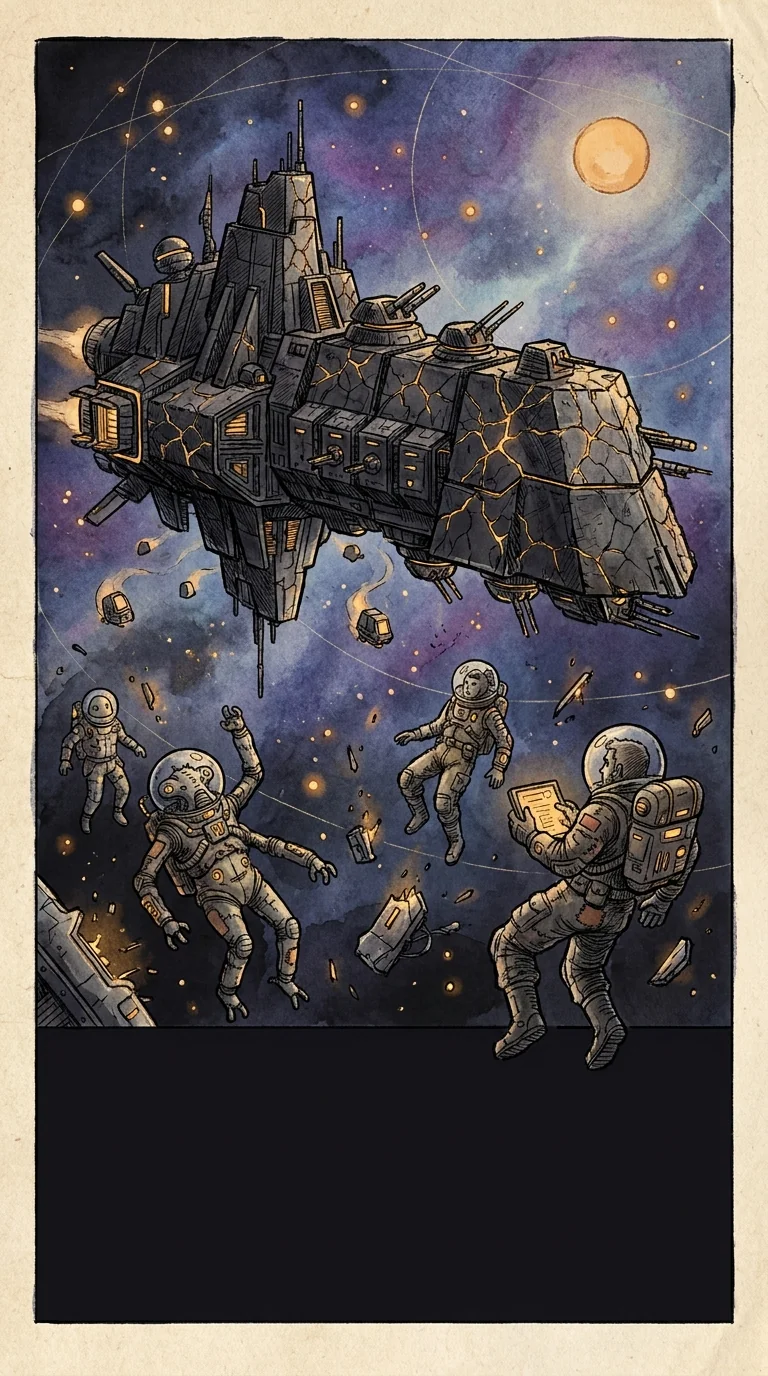
Every hate movement looks unstoppable right up until the moment it isn't. The collapse always surprises the people inside — never the people watching the blueprints.
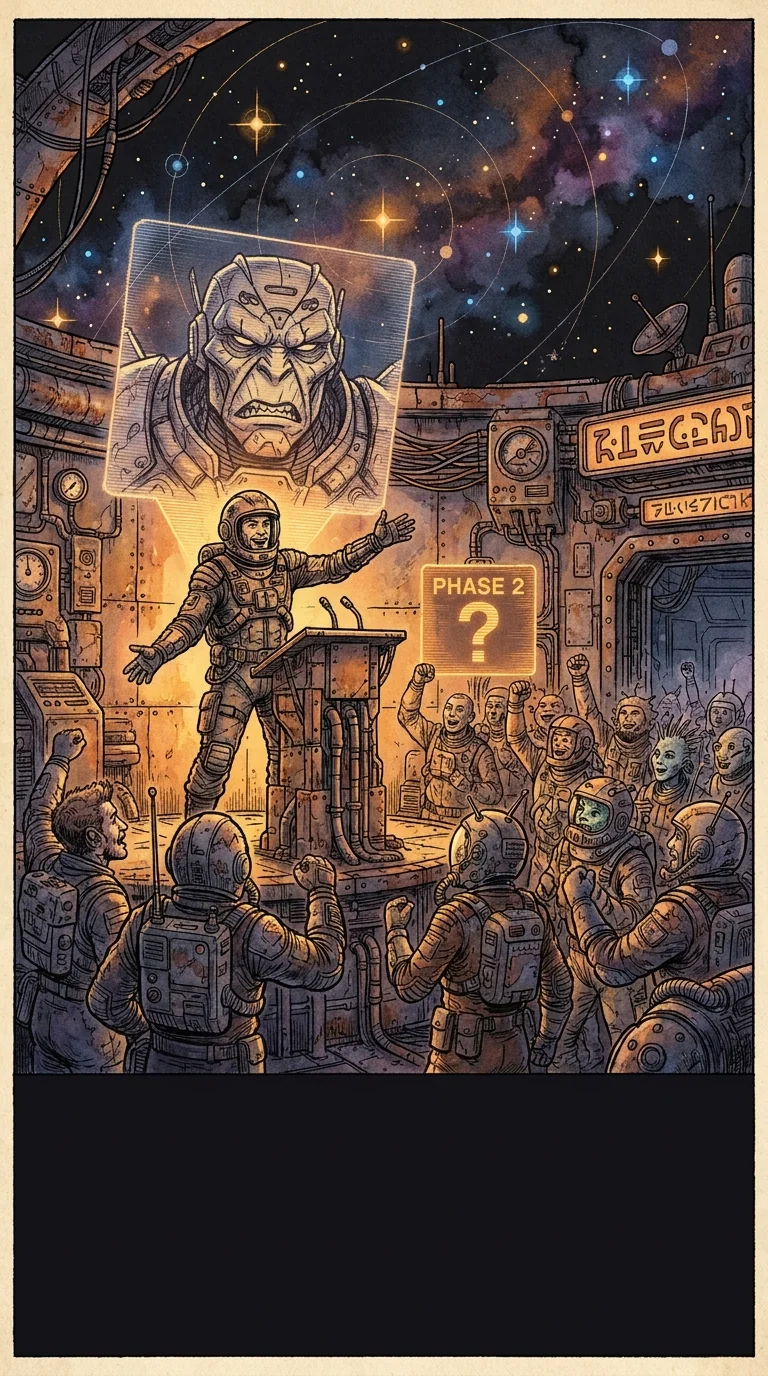
Movements built on hate are brilliant at the recruiting pitch: here's your enemy, here's your rage, here's your squad. What they never get around to building is an answer to the question that comes next — okay, now what?
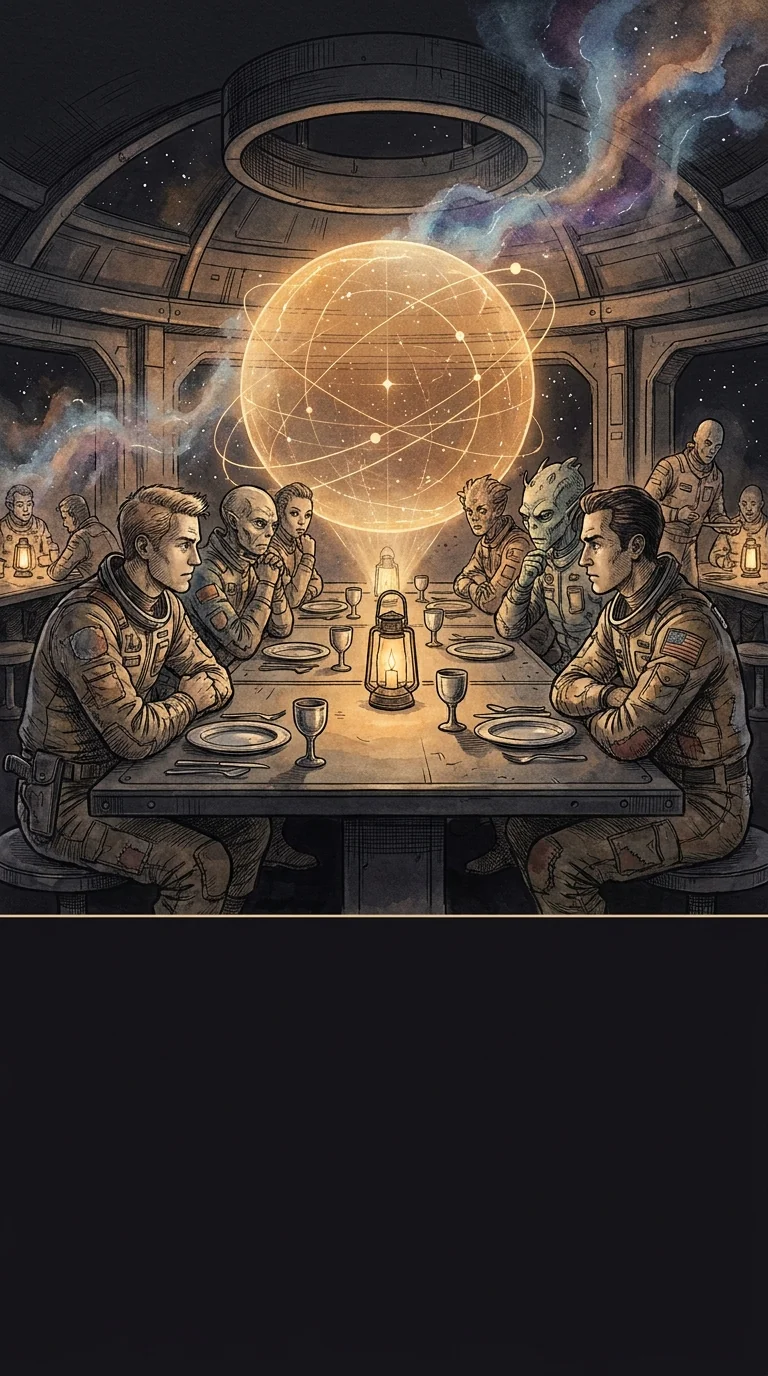
Eric Hoffer nailed this decades ago: a movement that defines itself entirely by what it opposes has no positive program. The hate is the fuel and the engine and the destination. Once the enemy weakens — or gets boring — the movement eats itself.
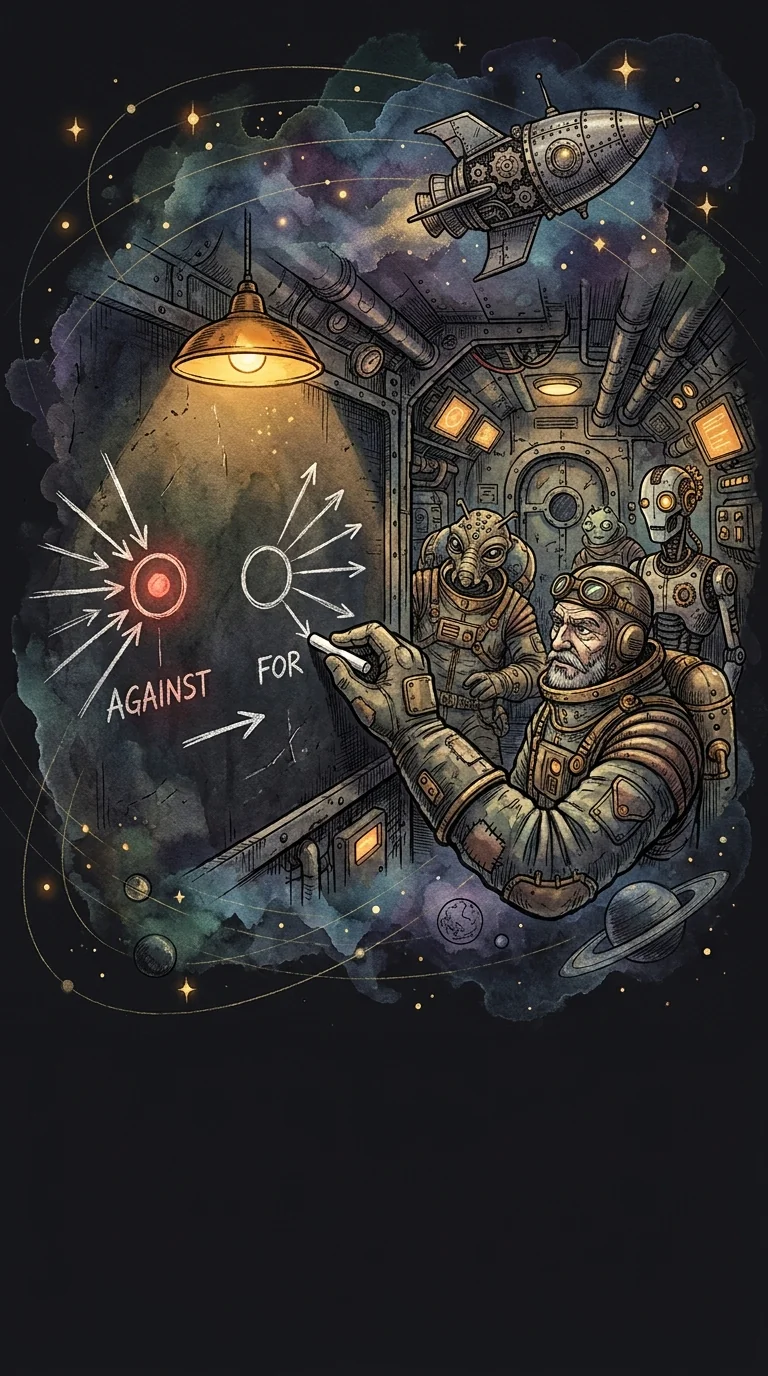
Here's the mechanism: hate bonds are fast but brittle. They spike when there's a shared target and crater the moment members have to agree on what to actually build. Purity tests replace plans. Allies become traitors. The thing that made the group feel powerful is the exact thing that tears it apart.
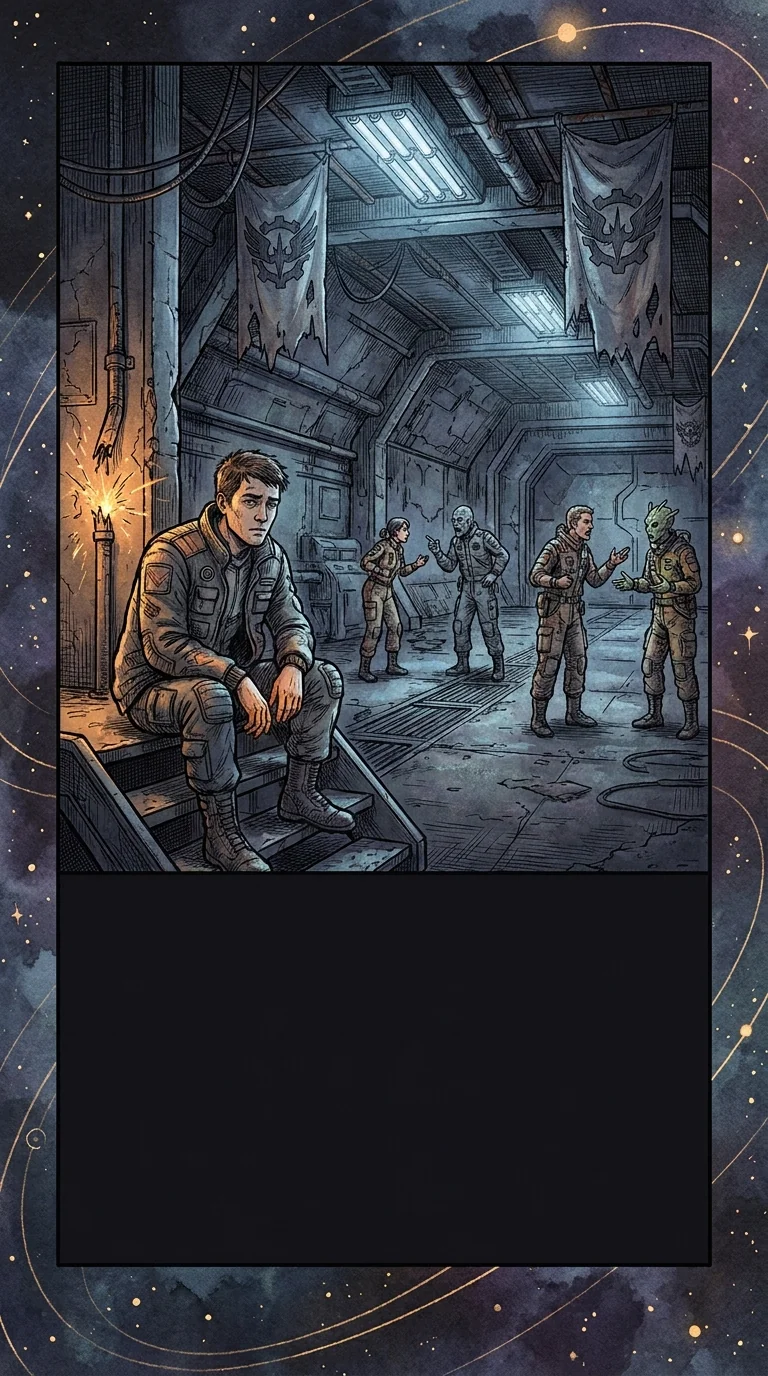
Marcus watched it happen from inside. The group that recruited him was electric for six months — shared enemy, shared memes, shared fury. Then somebody asked what they'd actually do if they won. Three factions formed before dinner. By winter, the leaders were calling each other infiltrators.
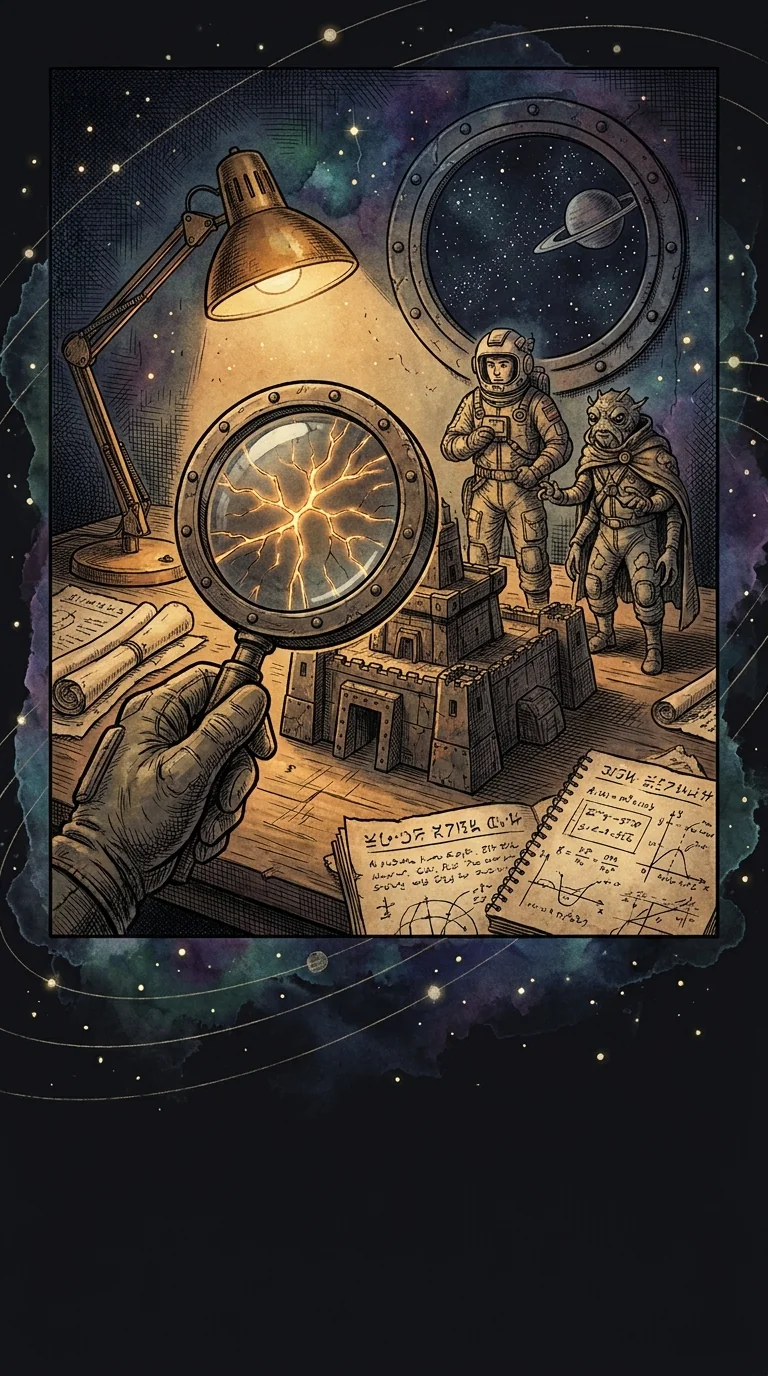
The collapse isn't the interesting part — that's just gravity doing its job. The interesting part is learning to spot the fault lines before they crack. In Part 2, you'll practice identifying the "no positive program" pattern in real-world groups. See you there.
Part 2: Why Hate Movements Always Collapse — Practice
+10 XP on completion
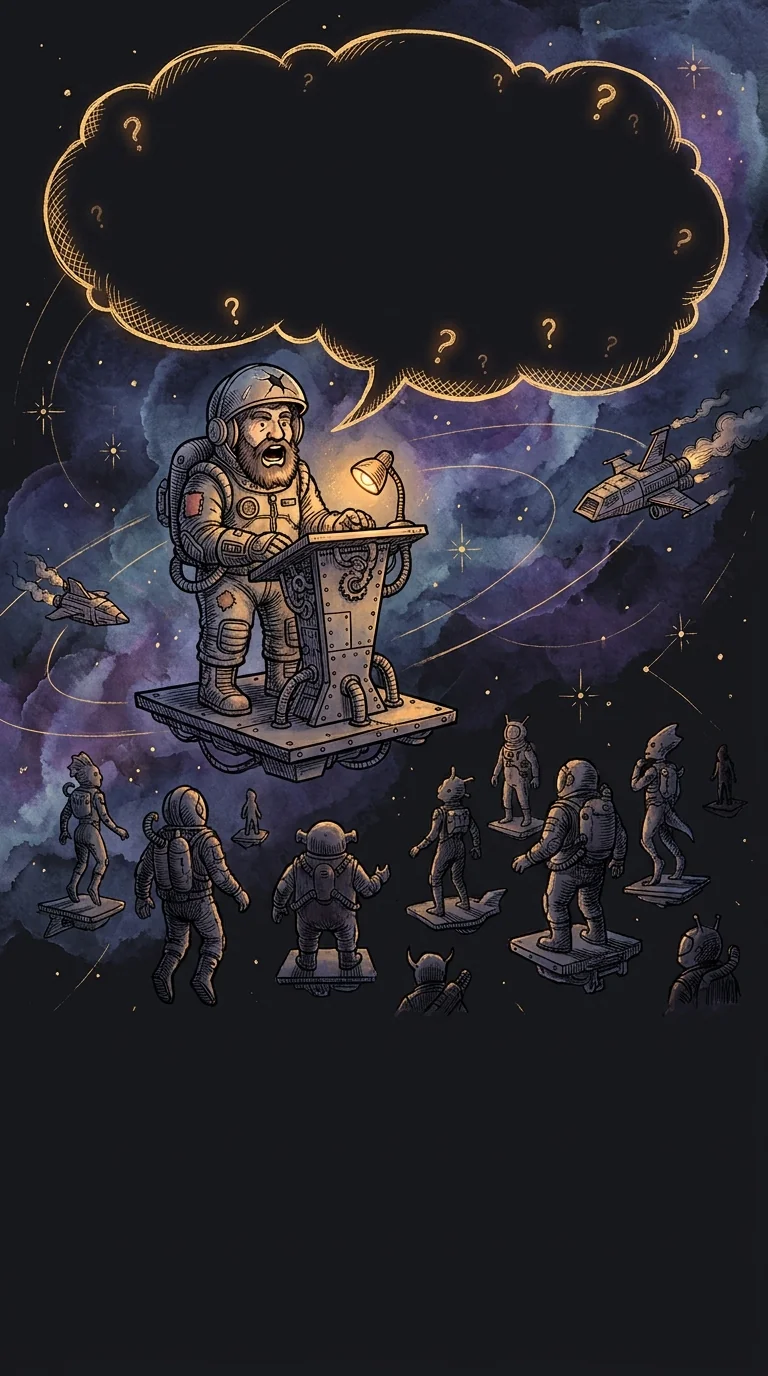
Movements built on hate always tell you what they're against. Ask them what they're building — actually building — and watch the silence stretch.

When someone pitches you a cause — online, in person, in a group chat that's getting weird — your brain tends to evaluate the passion, not the plan. High energy feels like direction. It isn't.
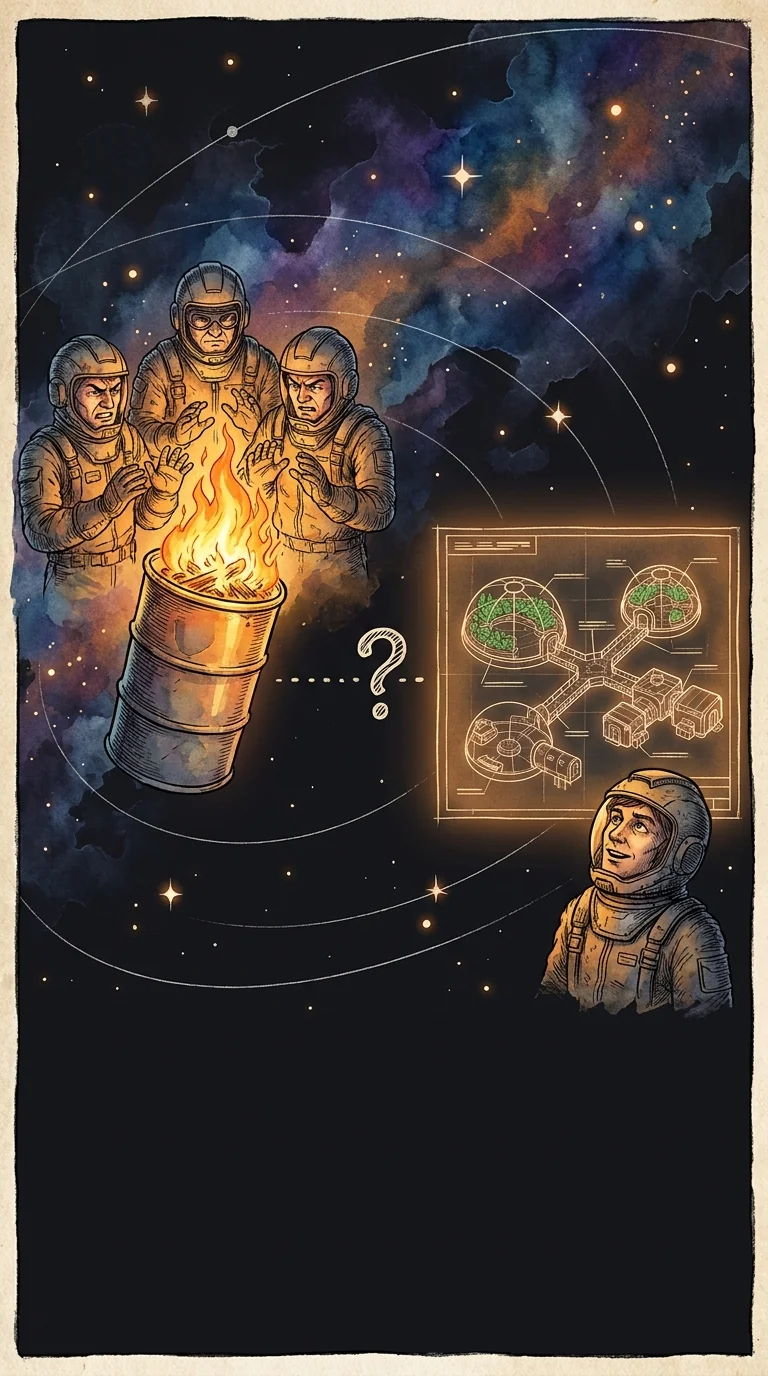
Here's the technique: the Build Test. When any group asks for your loyalty, ask one question — "What are we building that would still matter if we got everything we wanted?" A group with no answer to that is a bonfire, not a blueprint.
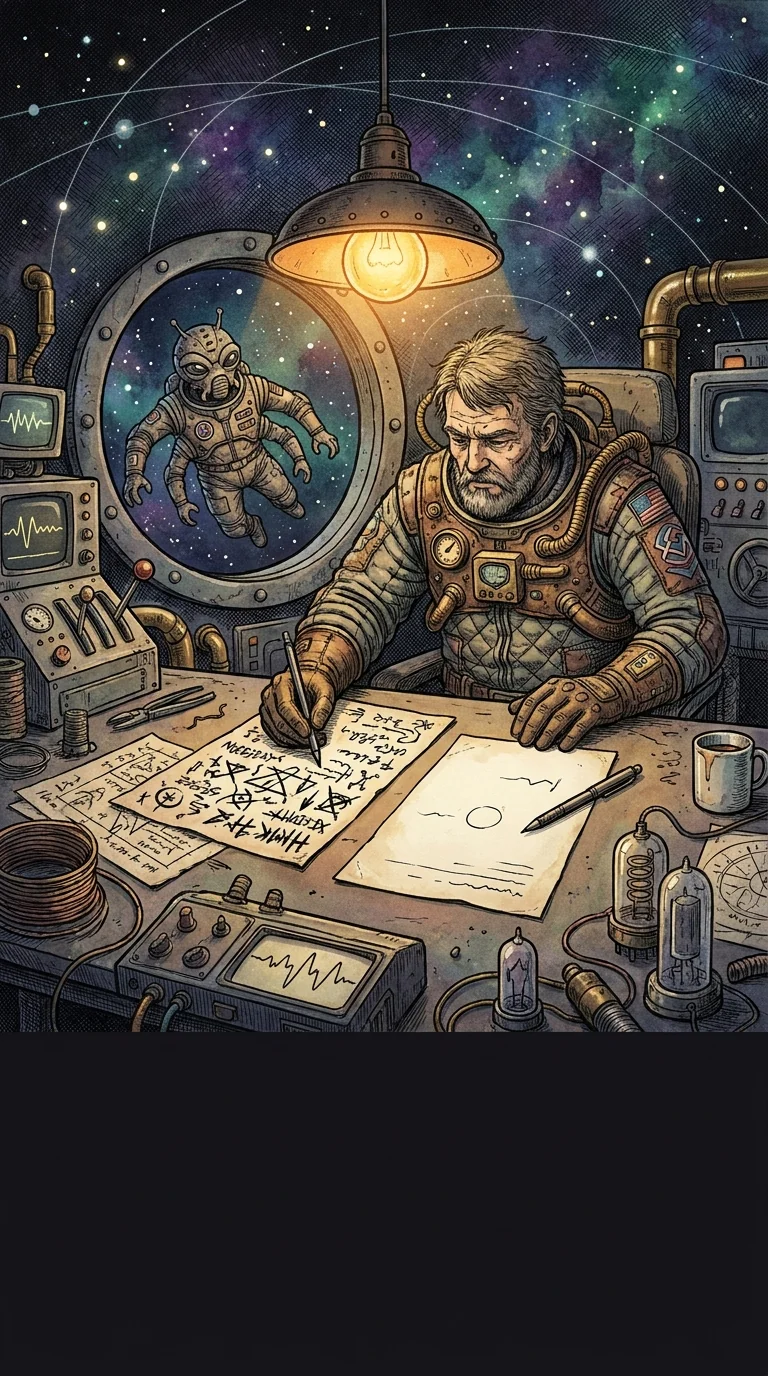
Try it on any group you belong to right now. Write down what the group is against — easy list. Then write what it's actively constructing: programs, spaces, support systems, something a stranger could walk into and benefit from. If the second list is blank, that's data.
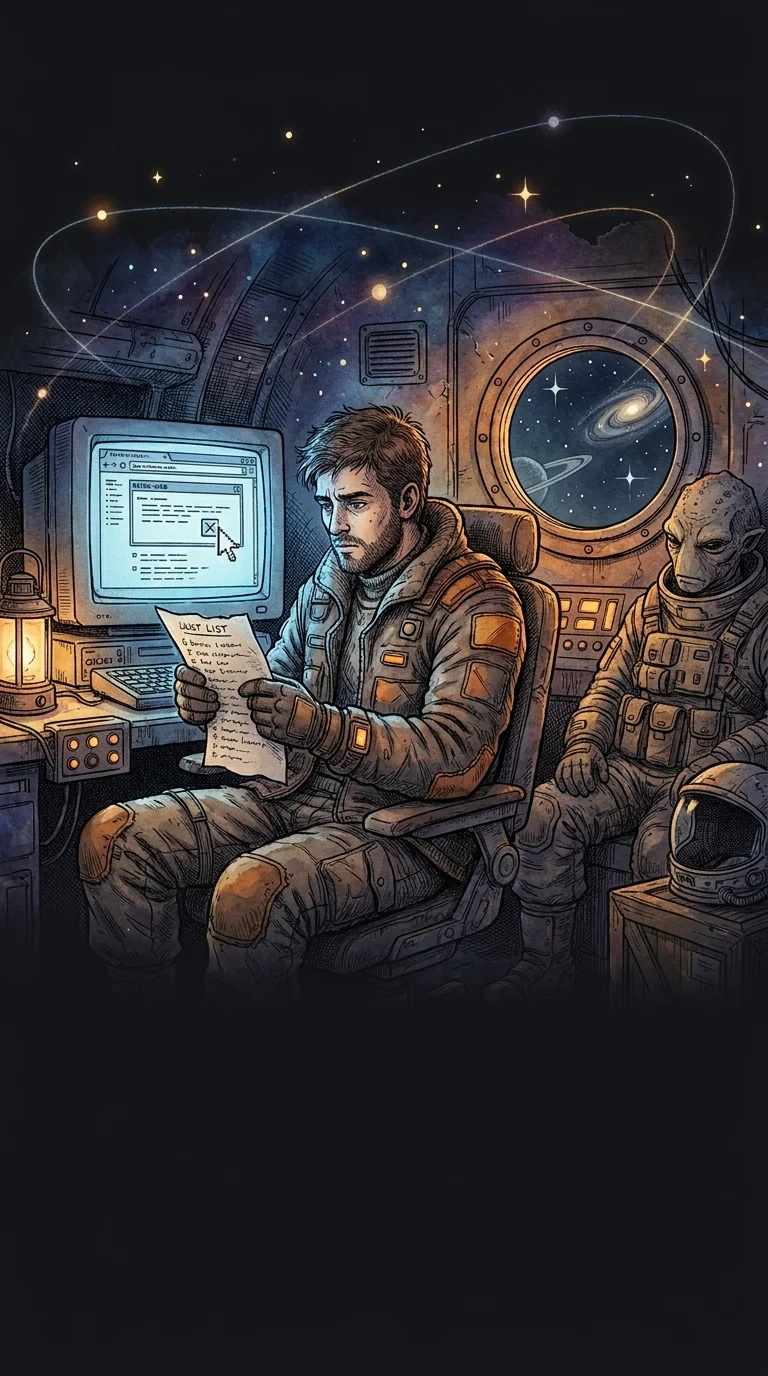
Marcus ran the Build Test on a forum he'd been spending hours in every night. The "against" column filled a whole page. The "building" column had one entry: more recruitment. He closed the tab. It was quieter after that — but the quiet had room in it.

You don't owe your energy to a group that can only tell you who to fight. You deserve to build something that outlasts the anger. The Build Test helps you tell the difference — and that difference matters more than you think.