Community vs. Tribe
Two groups can feel identical from the inside — the potlucks, the inside jokes, the sense that somebody finally gets you. One of them will make you larger. The other needs you to stay small.
Part 1: Community vs. Tribe — Concept
+5 XP on completion

Two groups can feel identical from the inside — the potlucks, the inside jokes, the sense that somebody finally gets you. One of them will make you larger. The other needs you to stay small.
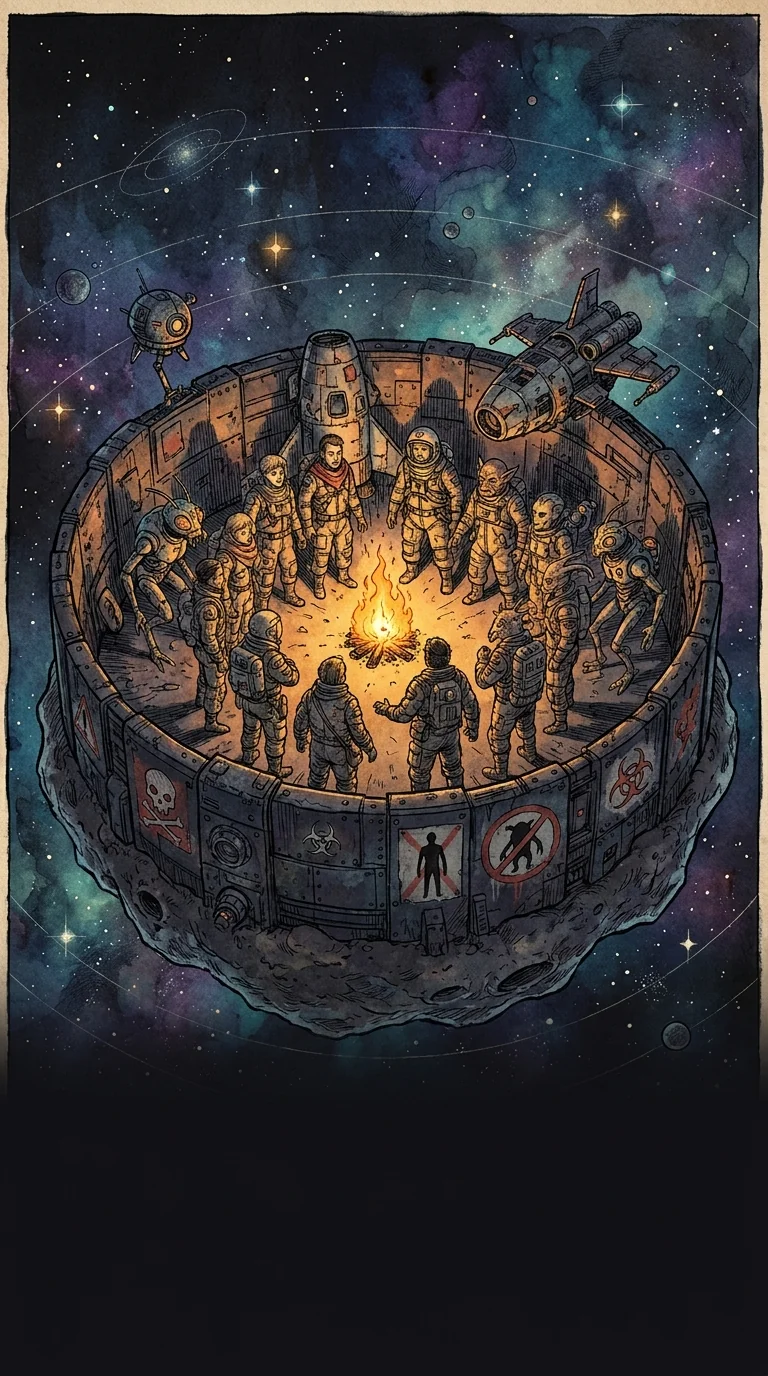
A tribe draws its energy from the wall. Who's in, who's out, who's the threat this week — that's the engine. Remove the enemy and the whole thing sputters, because the enemy was the point.

A community draws its energy from what it builds. The boundary still exists — every group has edges — but it's a membrane, not a fortress. People can leave. People can arrive. The thing survives because the work matters, not because the enemy does.
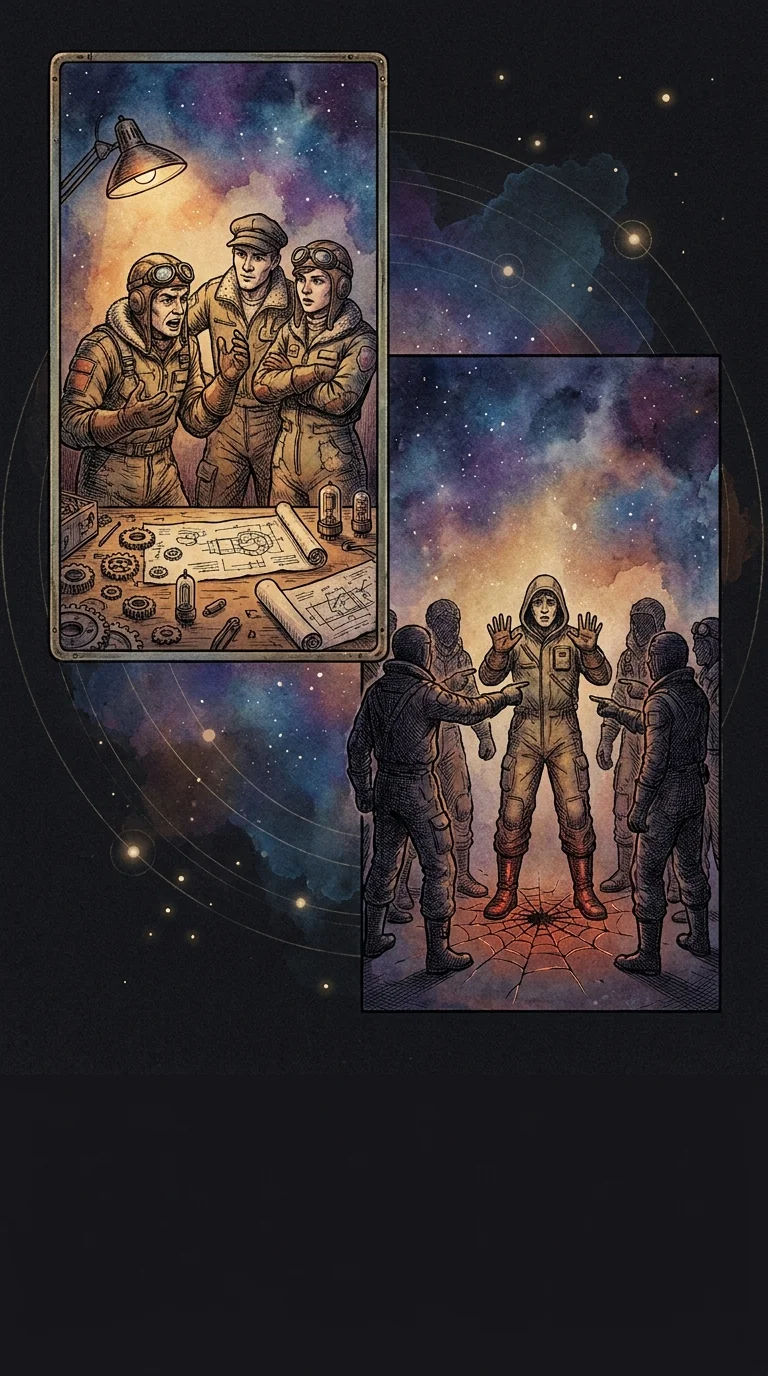
Here's the diagnostic: ask what happens when someone disagrees. A community argues, absorbs the friction, sometimes changes its mind. A tribe treats the disagreement as betrayal — because if you question the wall, you might be on the other side of it.
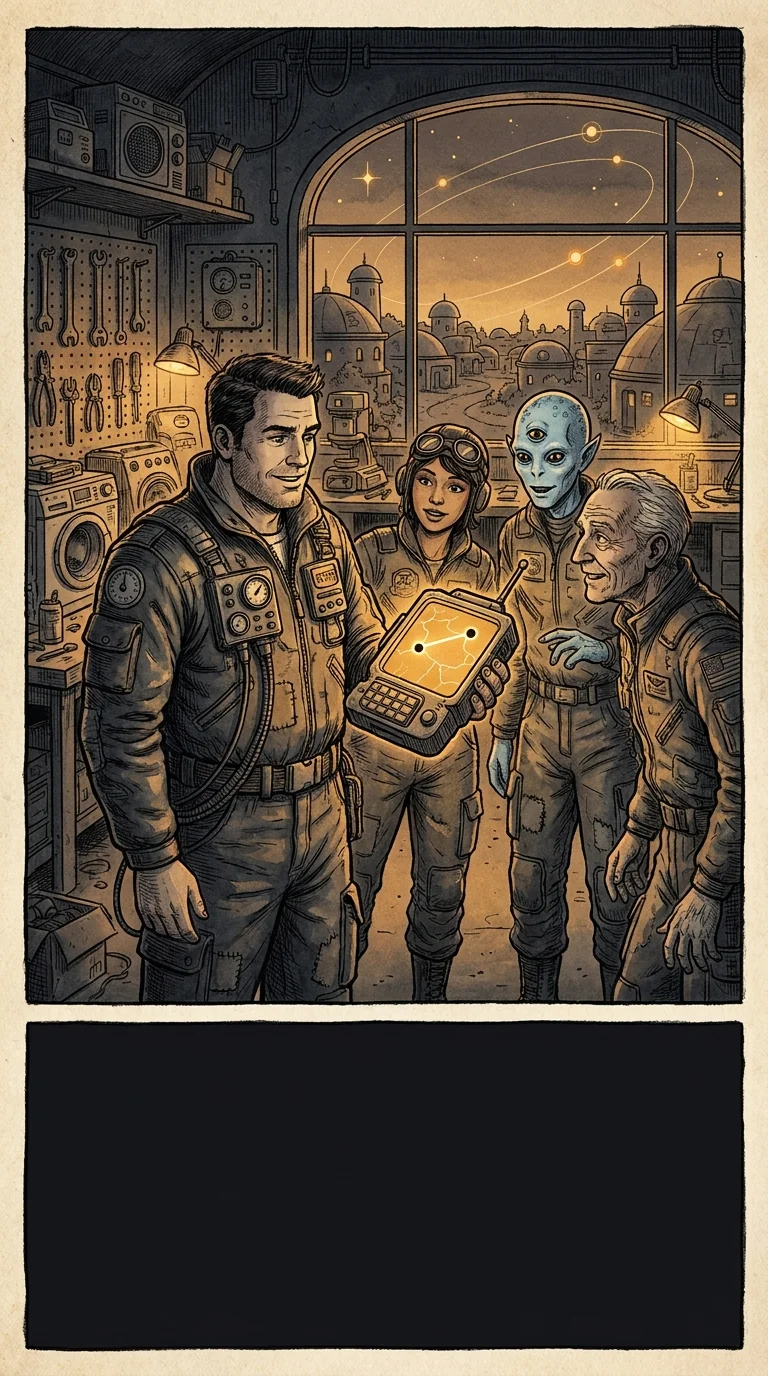
Marcus joined a local repair collective — fixing old equipment, teaching neighbors, swapping skills. It felt like the volunteer brigade he'd left two years earlier. Same warmth. Same jokes. But when he suggested partnering with a group across town, nobody called him a traitor. They just said, "Yeah, let's talk to them." That was the difference, and it was everything.

Belonging is real. You deserve it. The question isn't whether to find your people — it's whether your people still let you be a full person once you're inside. In Part 2, you'll practice a concrete checklist for telling the difference between community and tribe in any group you're part of. See you there.
Part 2: Community vs. Tribe — Practice
+10 XP on completion

Belonging feels the same whether you're in a community or a tribe — until you try to leave, disagree, or ask who's not welcome. That's when the architecture shows.
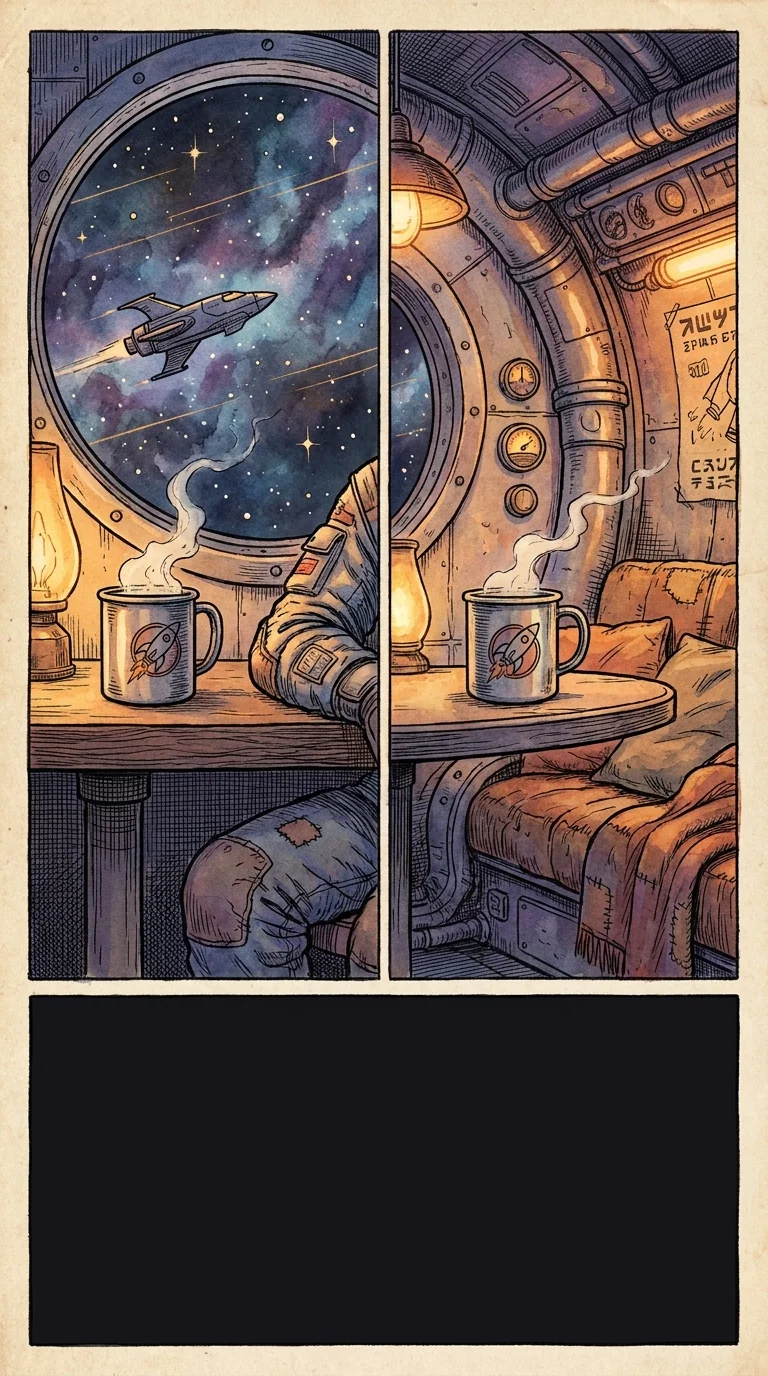
Most groups don't announce which one they are. They hand you a warm drink, give you a role, and make you feel seen — and none of that tells you whether the doors lock from the inside.

Here's a tool: the Edge Test. Three questions you can ask about any group you belong to — and the answers will tell you whether you're in a community or something else entirely.
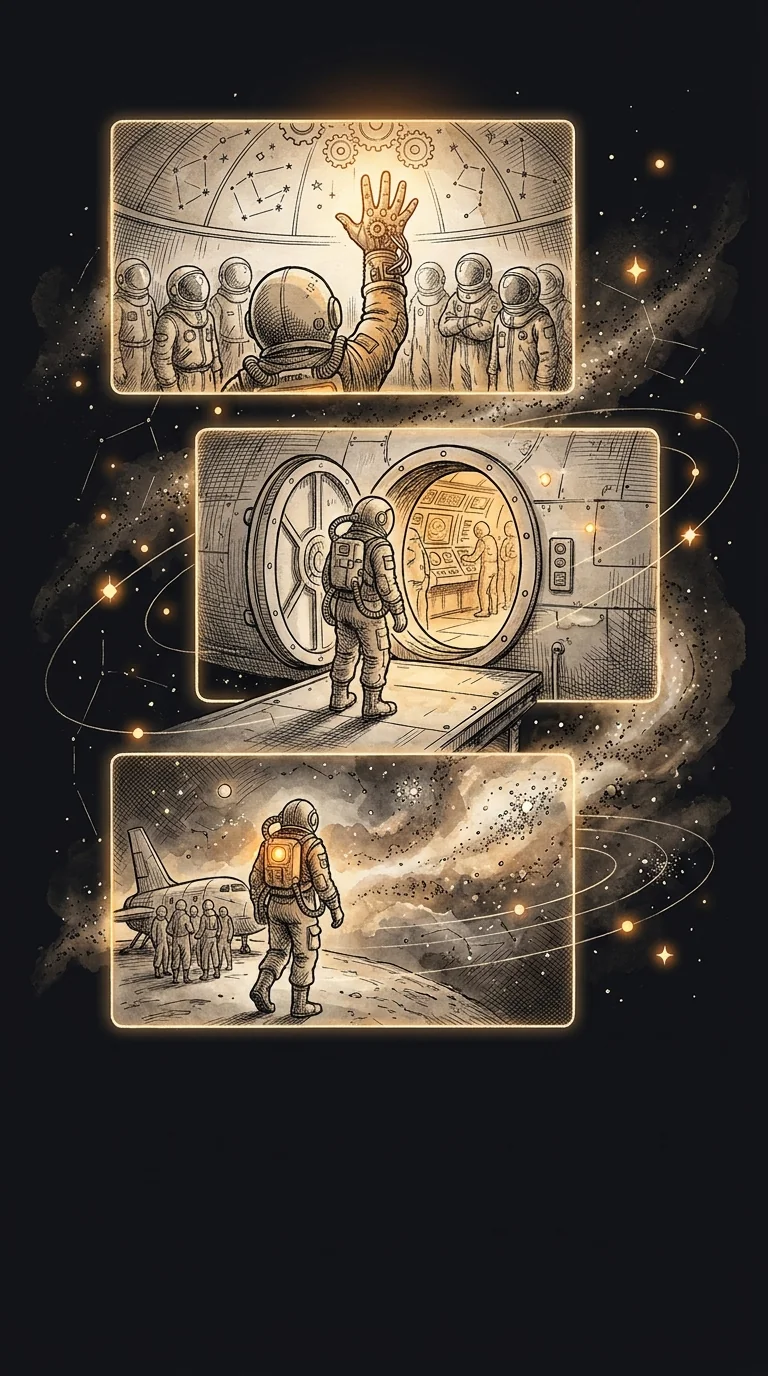
Question one: What happens here when someone disagrees with the group's loudest voice? Question two: Who would not be welcome, and why? Question three: If I left tomorrow, would they let me go clean — or would it cost me?

Lisa ran the Edge Test on two groups she'd joined after moving to a new station. One group welcomed her questions and introduced her to people who'd left on good terms. The other changed the subject every time and called the people who'd left ungrateful. She didn't need a third data point.

You already belong to groups worth caring about. Now you have a way to check that the belonging runs both directions — and that the door you walked through stays unlocked from the inside.