Tolerating the Gray
Your brain wants every question answered in two colors: black or white. Not because reality works that way — because sorting is faster than thinking, and your threat-detection system is always in a hurry.
Part 1: Tolerating the Gray — Concept
+5 XP on completion

Your brain wants every question answered in two colors: black or white. Not because reality works that way — because sorting is faster than thinking, and your threat-detection system is always in a hurry.
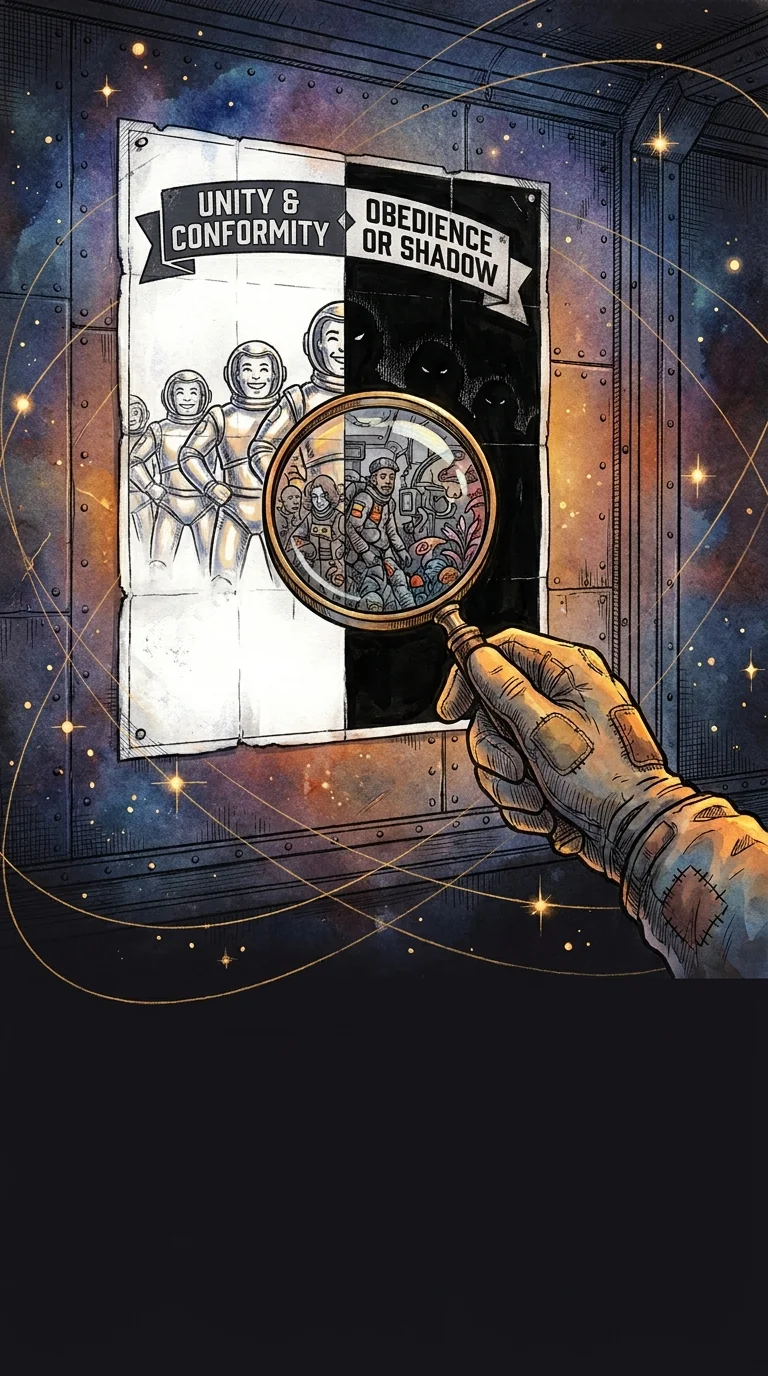
Propaganda exploits that shortcut ruthlessly. Every recruitment pitch collapses a complicated world into a simple story — heroes here, villains there, pick a side before you have time to notice what got erased in between.
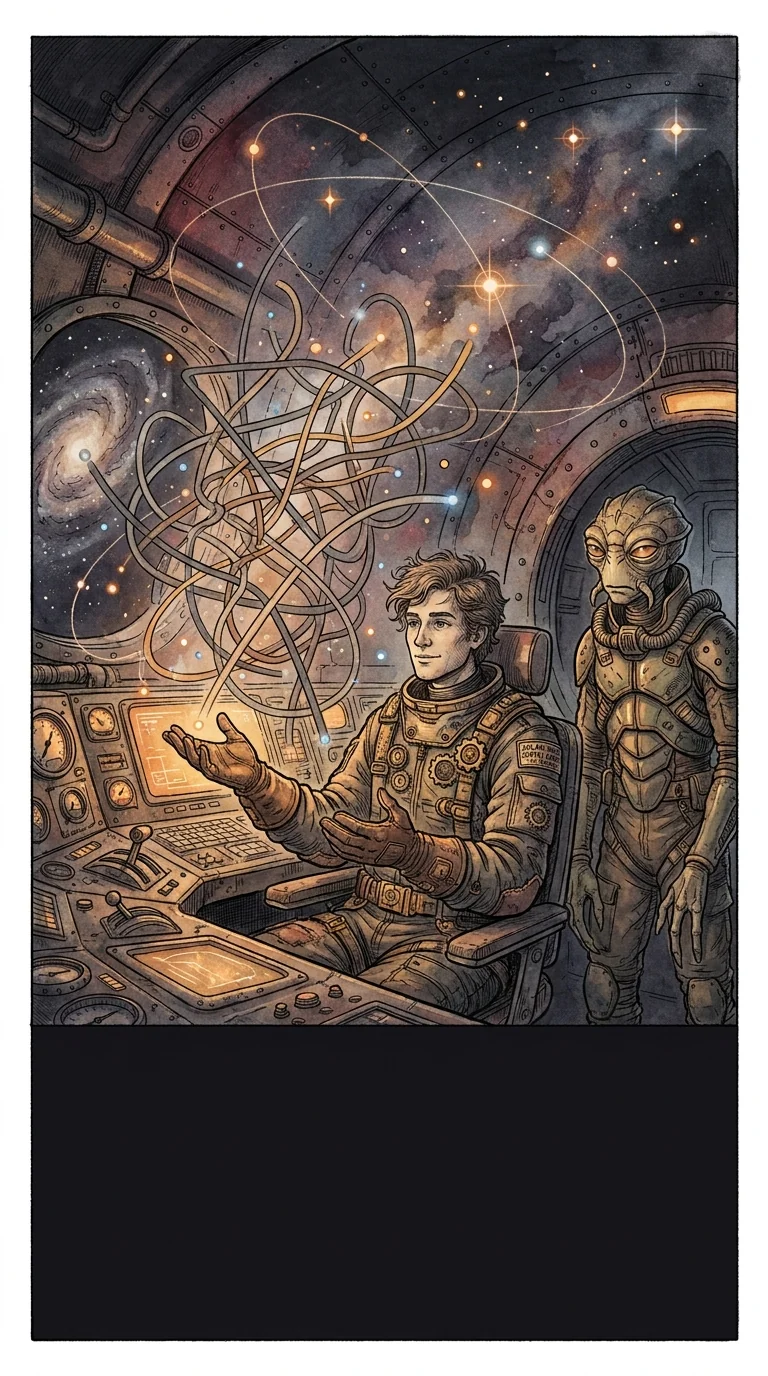
Complexity isn't confusion — it's accuracy. The ability to hold two conflicting truths in your head without panicking is not weakness. It's the one cognitive skill every black-and-white pitch is designed to make you forget you have.
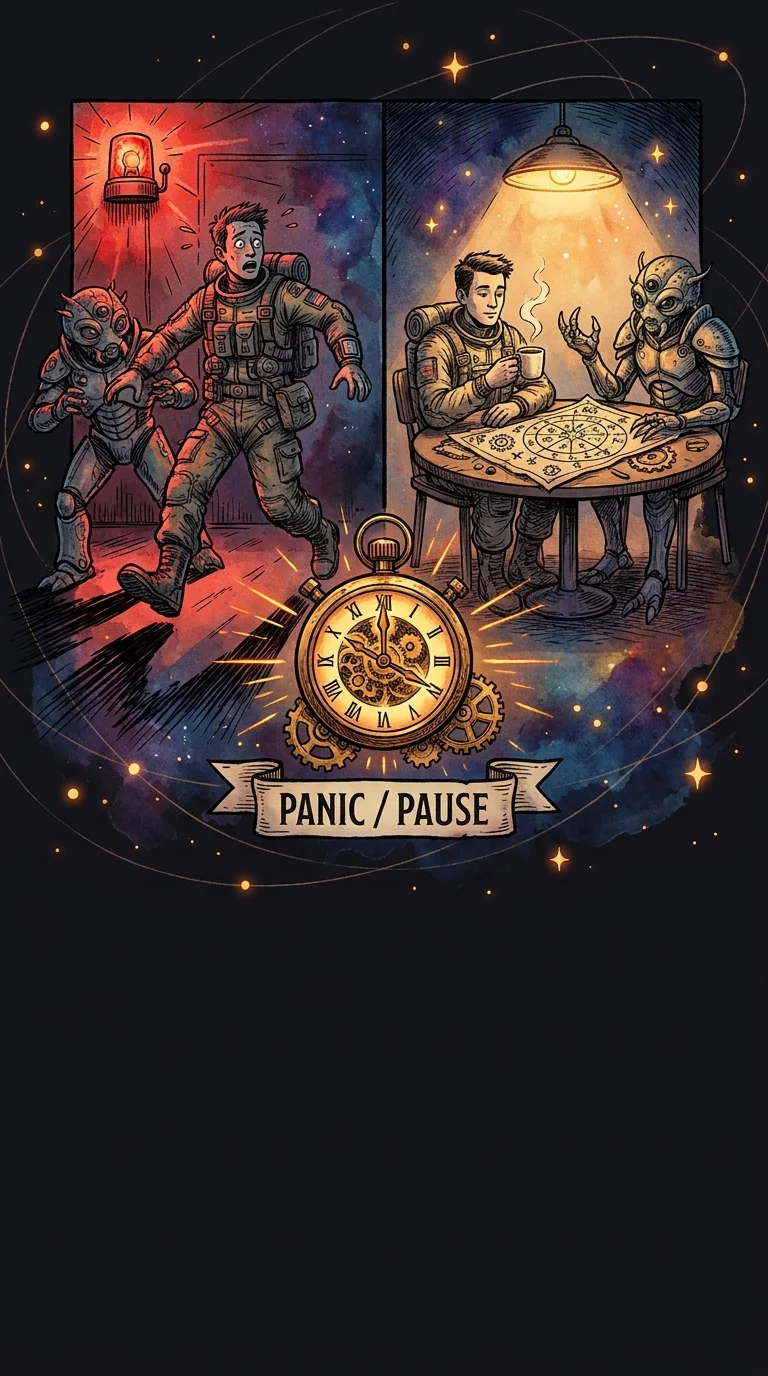
Here's the mechanism: urgency kills nuance. When someone says "we don't have time to debate this," they're not saving time — they're preventing thought. Gray requires a pause. The pause is the whole point, and exactly what the pitch can't afford to give you.

Marcus spent three months in an online group that sorted every news story into "proof we're right" or "proof they're lying." The night he caught himself filing a friend's genuine question into the enemy column, he realized the sorting had replaced his thinking entirely.
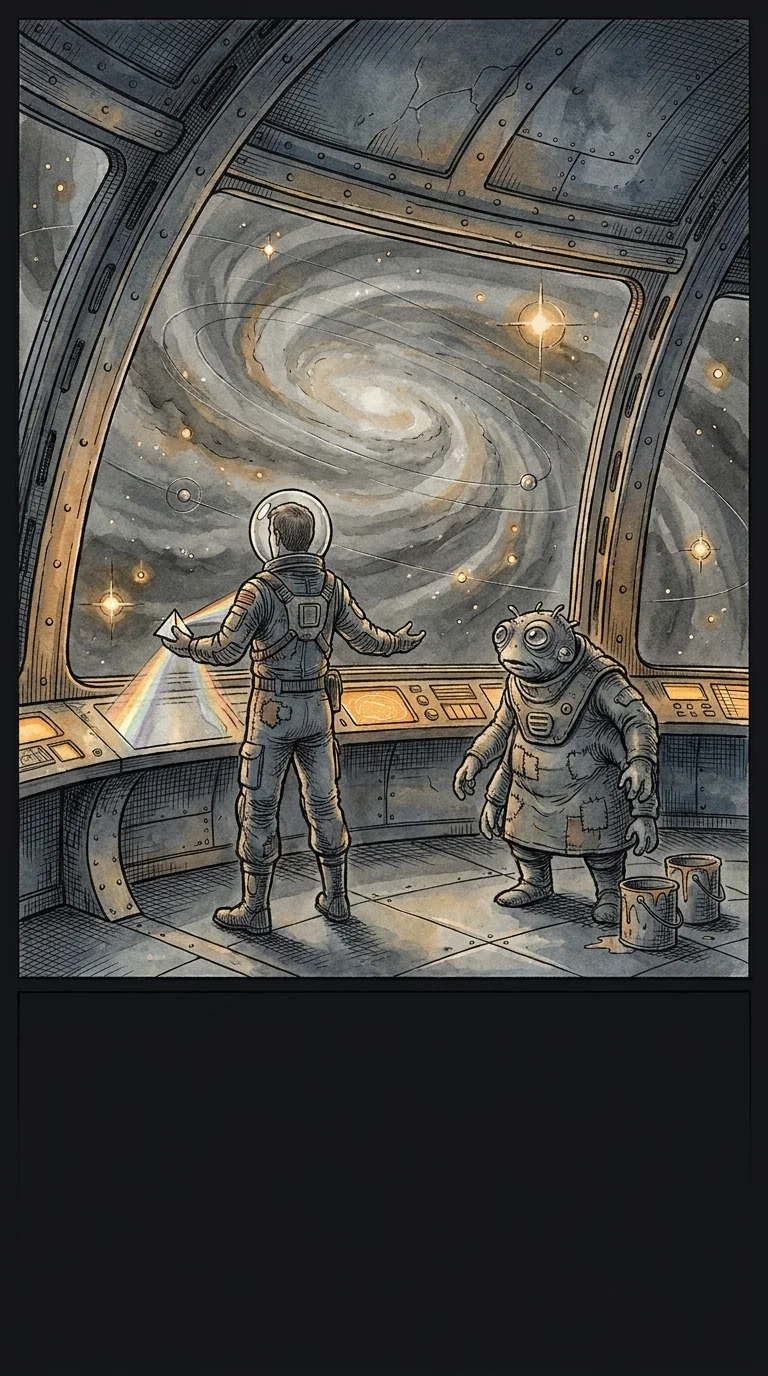
Tolerating gray doesn't mean having no opinions — it means your opinions survive contact with new information. In Part 2, you'll practice the Gray-Check Pause: a concrete method for catching black-and-white framing before it does your thinking for you. See you there.
Part 2: Tolerating the Gray — Practice
+10 XP on completion

Propaganda needs you to decide before you think. So the skill worth practicing isn't having the right answer — it's learning to sit still while the answer is still forming.
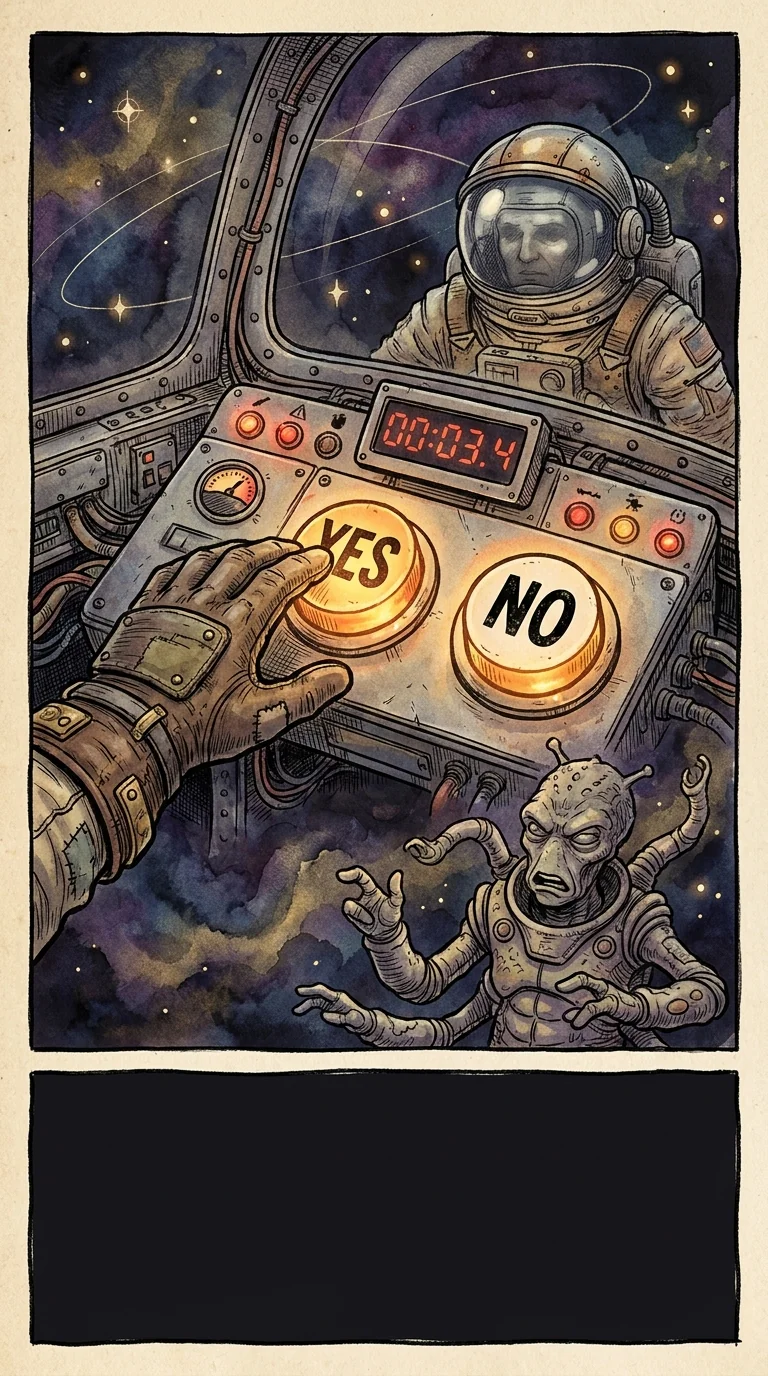
Your brain's default move when complexity shows up: pick a side, fast, feel certain, move on. That's not courage. That's a shortcut dressed in a flight jacket.

The technique is called the Gray Hold. When you catch yourself snapping to a binary — good or evil, all or nothing, us or them — you deliberately pause and name one thing that doesn't fit the easy frame.
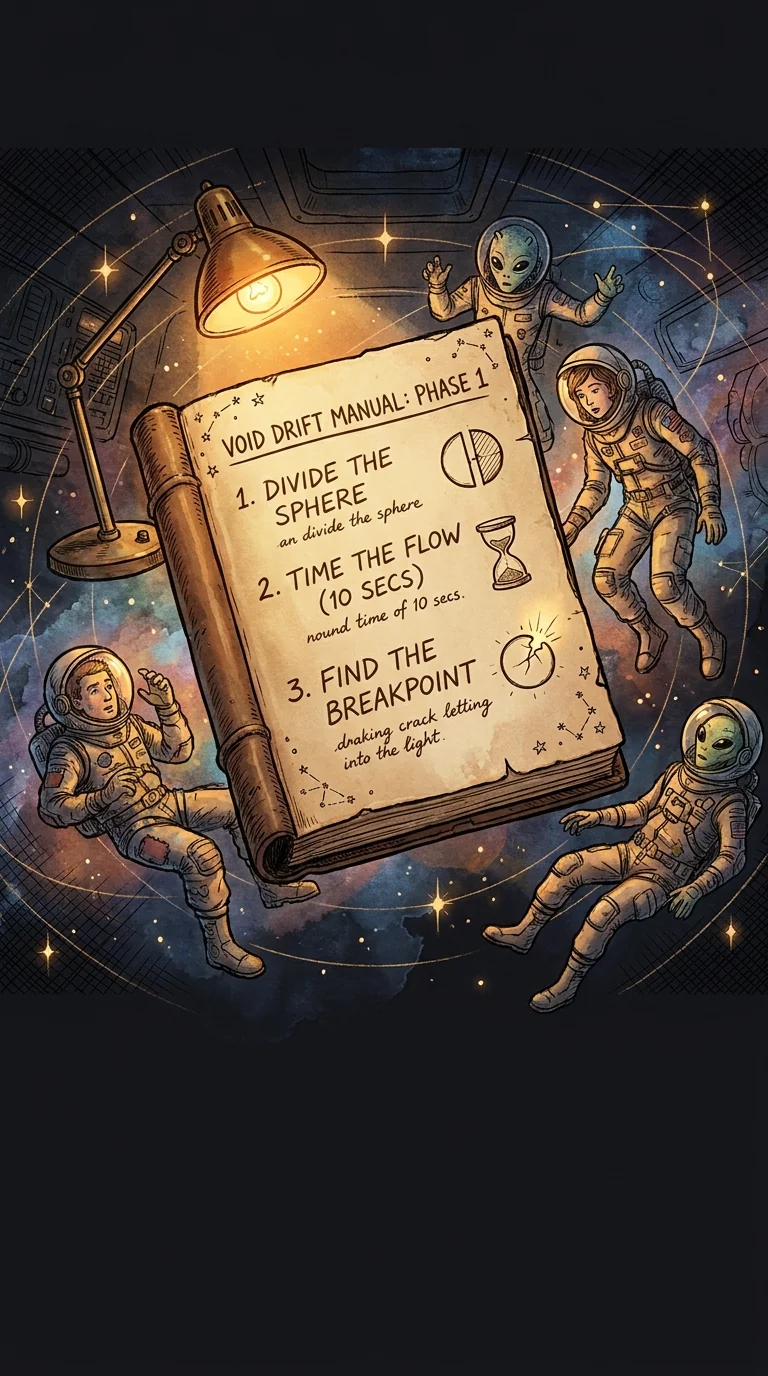
Here's how it works. Step one: notice the binary — "they're all X" or "this is completely Y." Step two: hold the frame open for ten seconds. Step three: name one complication, one exception, one detail that makes the picture messier. That's it. Messy is closer to real.
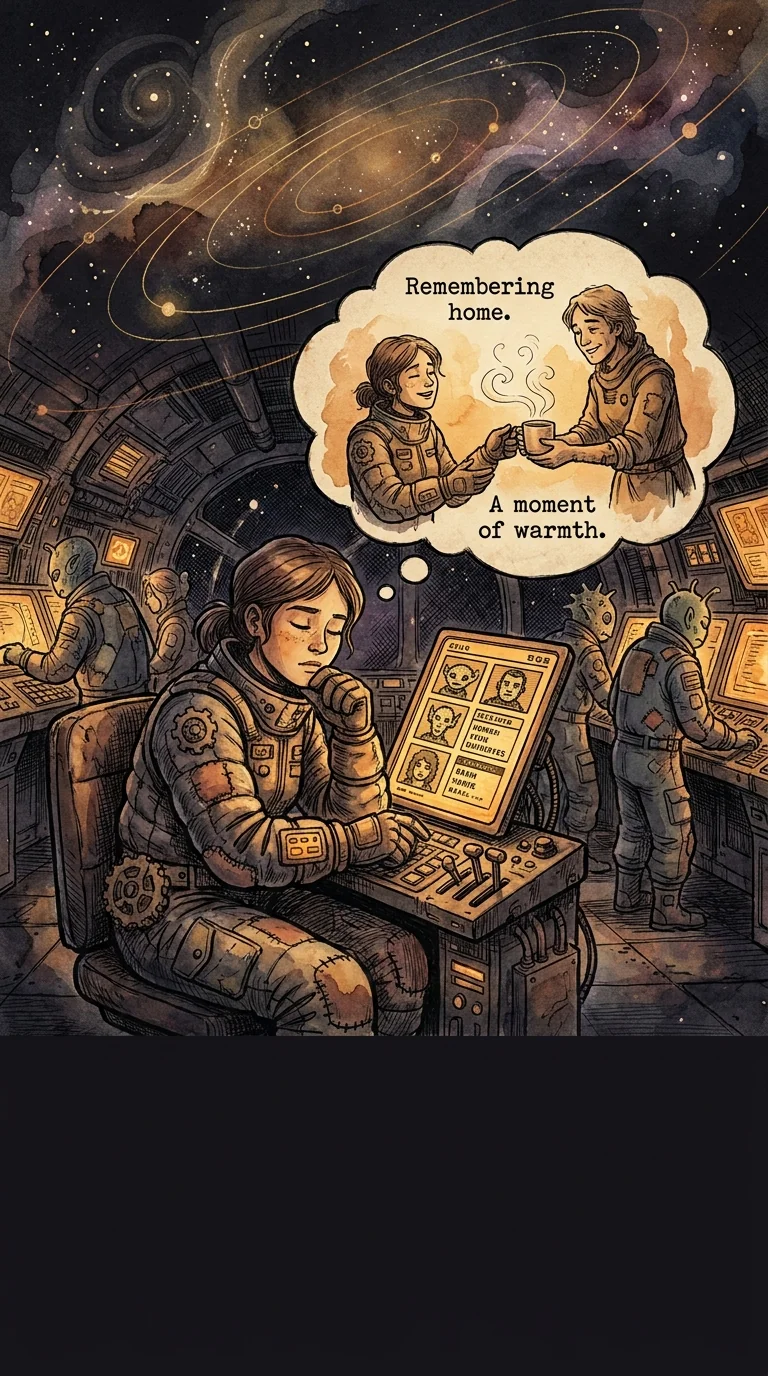
Sarah read a post about a community she'd written off entirely. Her gut said dismiss it. She did the Gray Hold instead — ten seconds, then named one person from that community who'd been kind to her last year. The frame cracked open. Not all the way. Enough.

You don't have to love ambiguity. You just have to stop letting someone else's urgency decide for you. Every time you hold the gray, you get a little stronger at thinking in a world that profits when you don't.