The Happiness Research
Every settlement station in the galaxy sells the same pitch: acquire more, feel better. Funny how the people who actually report feeling better are usually the ones giving something away.
Part 1: The Happiness Research — Concept
+5 XP on completion
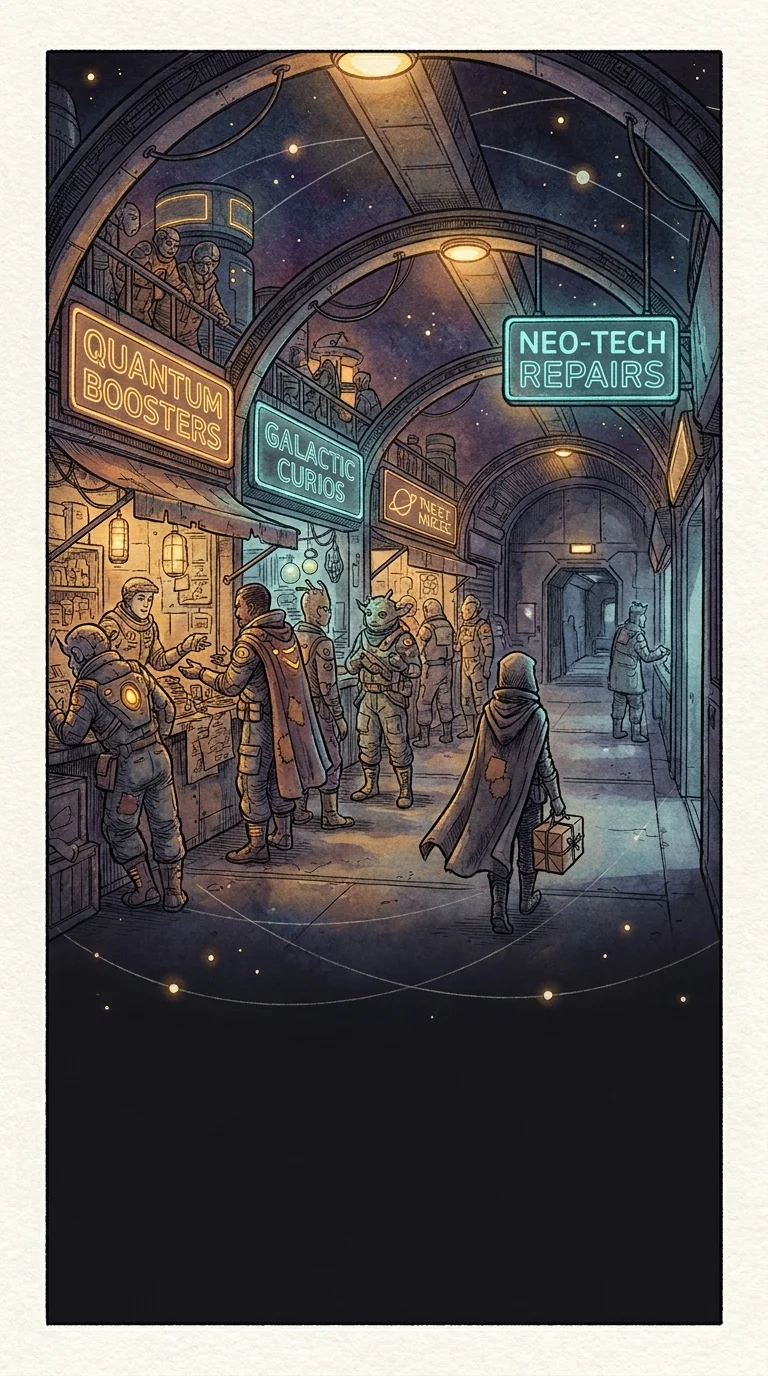
Every settlement station in the galaxy sells the same pitch: acquire more, feel better. Funny how the people who actually report feeling better are usually the ones giving something away.

The default assumption is that happiness is a resource you mine — dig enough out, hoard enough of it, and eventually you'll have a surplus. Researchers checked. The hoarders aren't the happy ones.

The World Happiness Report keeps finding the same pattern across countries: people who contribute to others — time, skill, care — report higher personal wellbeing than people who don't. Not by a little. Consistently, year after year.
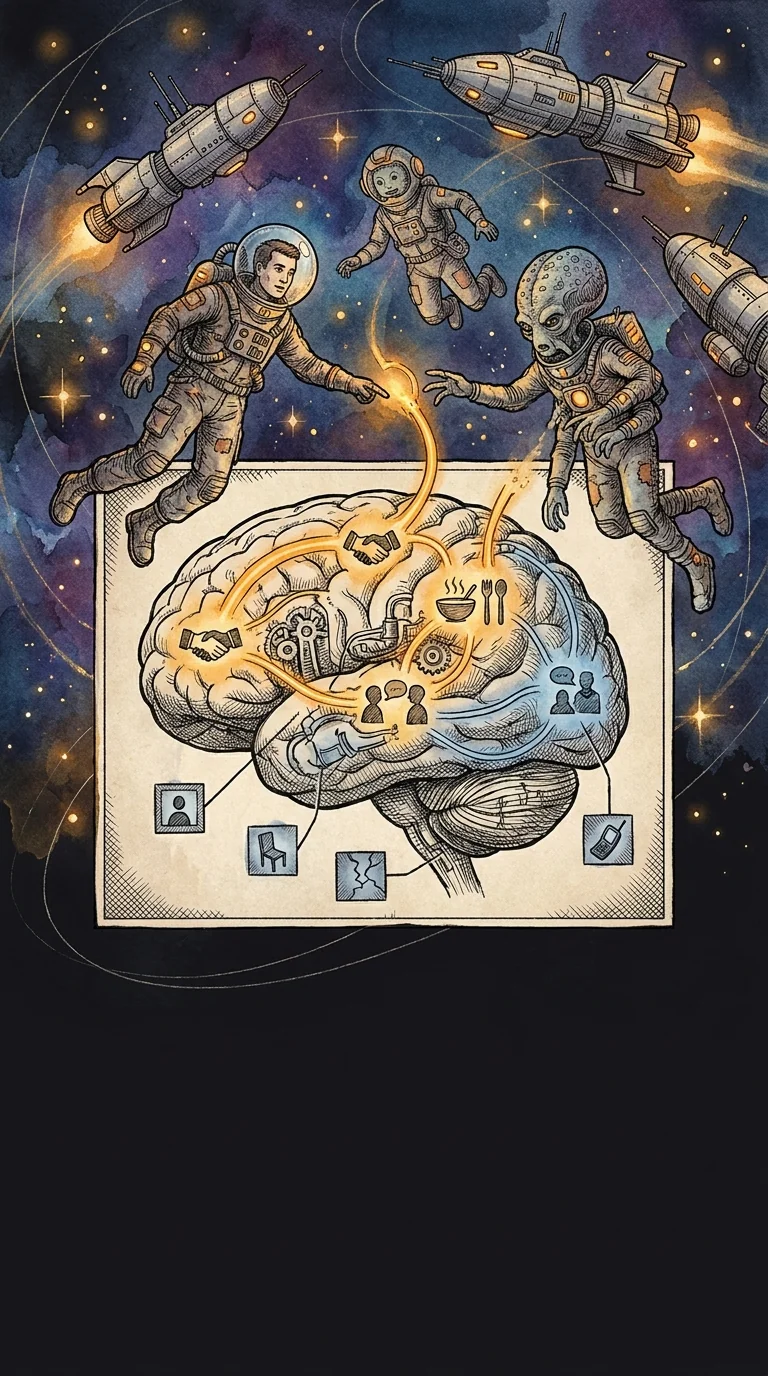
Here's the mechanism: contributing activates your brain's social-reward circuits — the same ones loneliness starves. You don't just feel useful. You feel connected, and connection is the nutrient your nervous system actually runs on.

Marcus spent two years optimizing his schedule for maximum personal efficiency. Then he started tutoring navigation students at the local academy one evening a week. He didn't lose time — he gained the first good sleep he'd had in months.

The data doesn't say you have to sacrifice everything. It says small, real contributions — the kind that cost you an hour, not a limb — change your own chemistry. In Part 2, you'll practice identifying your specific contribution strengths and mapping one concrete way to use them this week. See you there.
Part 2: The Happiness Research — Practice
+10 XP on completion

Decades of happiness data say the same thing: people who give their time, skill, or care to others feel better than people who don't. So the question isn't whether contribution works — it's whether you'll actually try it this week.
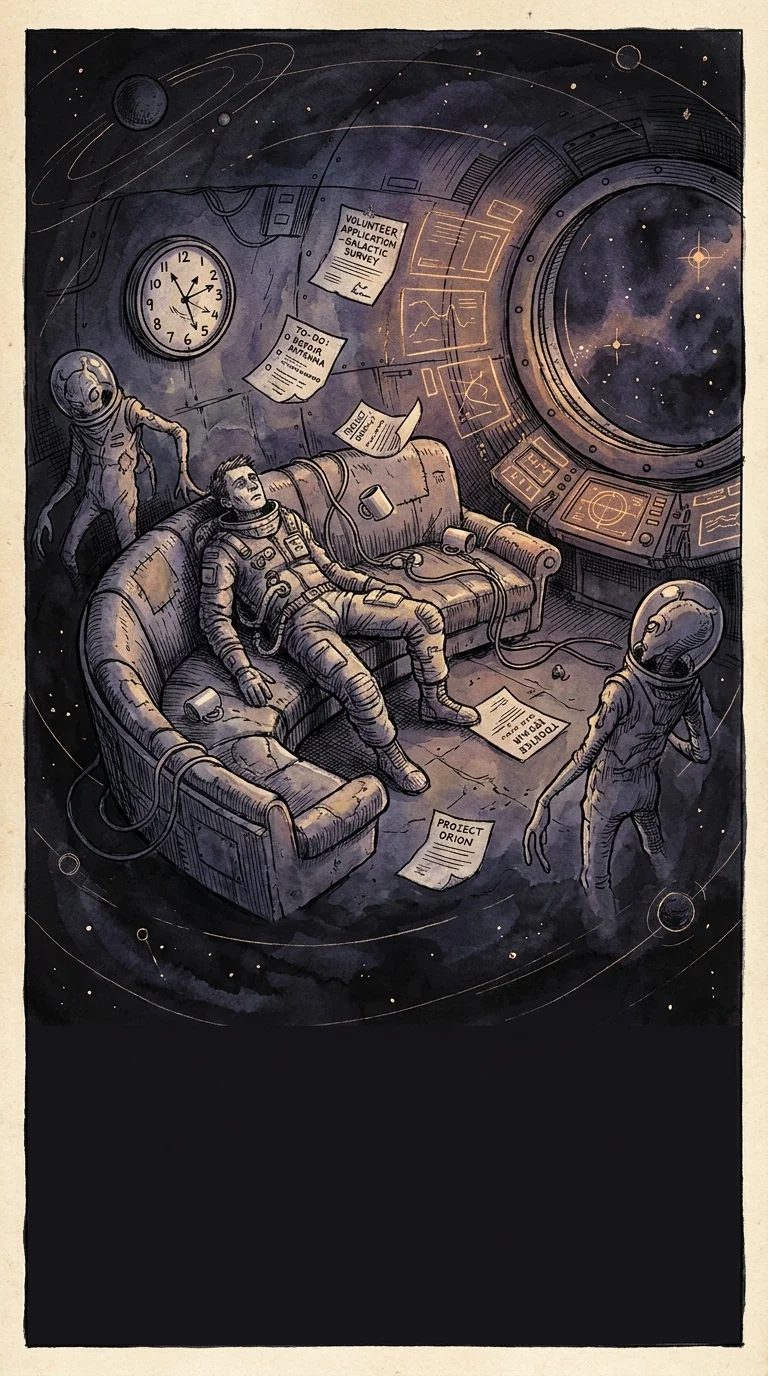
Most attempts at contributing stall before they start. You think you need a grand gesture, a cleared calendar, a whole personality transplant — and then you do nothing, which is convenient for the couch but terrible for your brain chemistry.

The technique is called the Micro-Contribution Log. Instead of waiting for a heroic moment, you record one small act of contribution each day — ten minutes of help, a skill shared, a moment of genuine care. The bar is low on purpose.

Here's how it works. Each evening, write down one thing you contributed that day — time, skill, or care — and who it touched. After seven entries, read them back. You're building evidence your brain can't argue with: you already do this. Now you're paying attention.

Sarah started her log expecting blank pages. Day one: helped a coworker debug a report. Day three: sat with a neighbor who'd had a rough week. By day seven, she had seven entries and one quiet realization — she'd been contributing all along. She just never gave herself credit.

Start your Micro-Contribution Log tonight. One line. One small thing you gave today. Seven days from now, you'll hold a week of proof that your presence matters to the people around you — and that it makes your own life better, too.