Building Bridges: Contact Hypothesis in the Real Galaxy
You can read every book on tolerance ever written and still flinch when someone from "that group" sits down next to you. Your nervous system didn't get the memo.
Part 1: Building Bridges: Contact Hypothesis in the Real Galaxy — Concept
+5 XP on completion
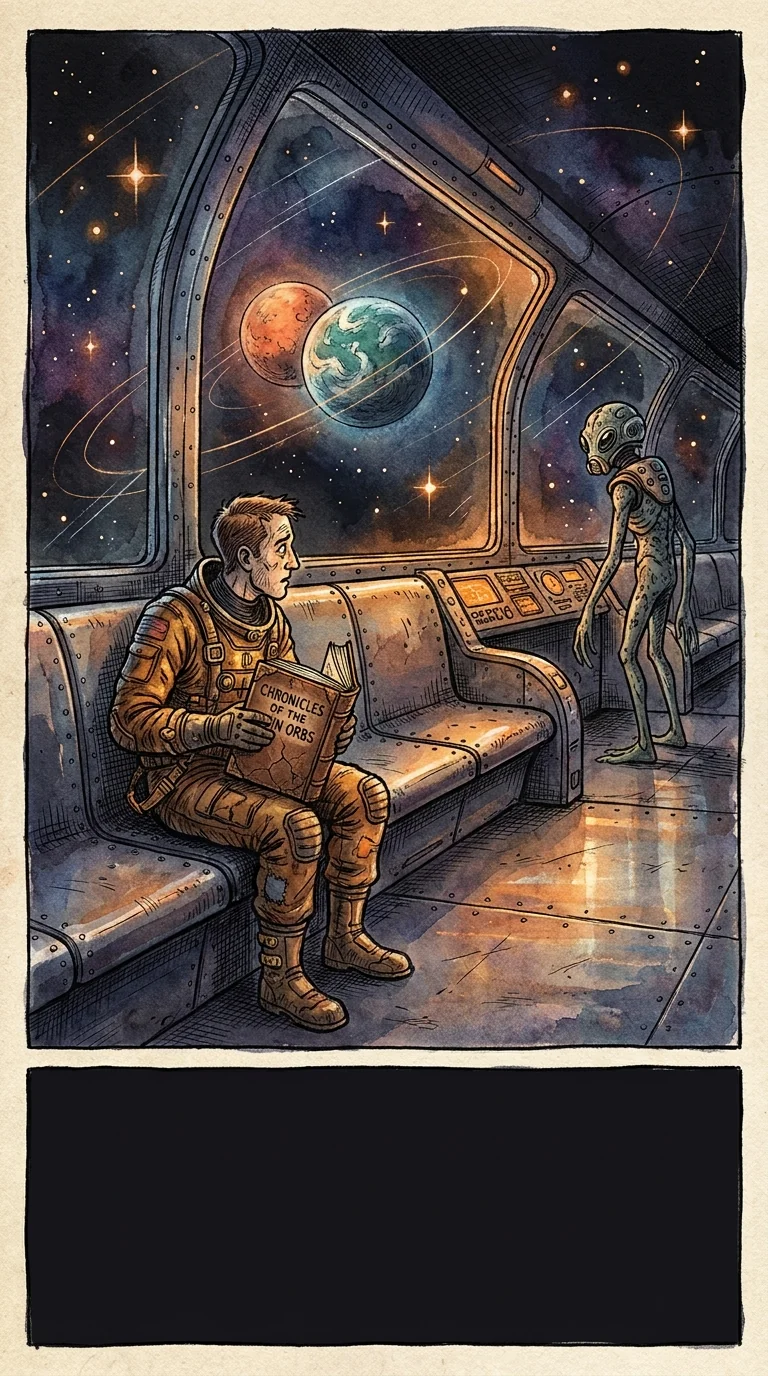
You can read every book on tolerance ever written and still flinch when someone from "that group" sits down next to you. Your nervous system didn't get the memo.
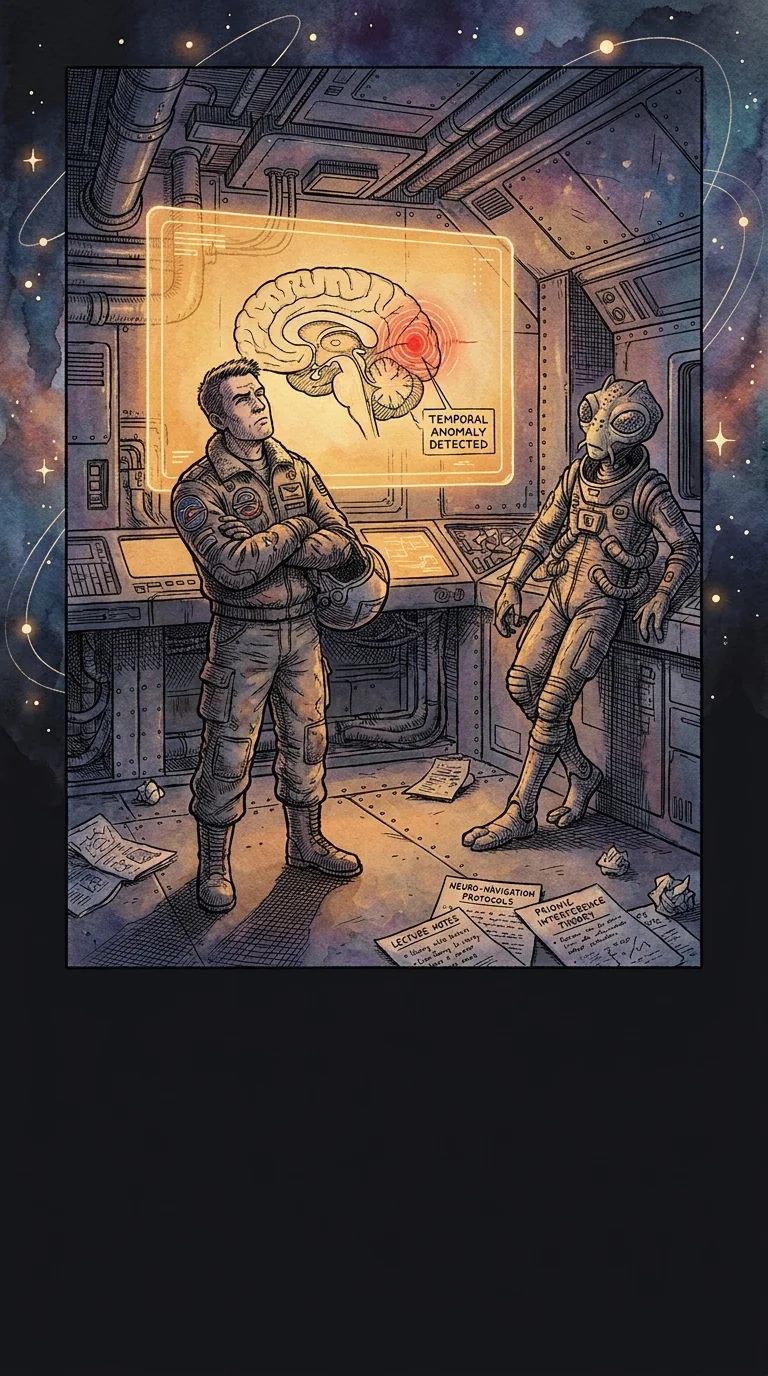
Prejudice doesn't live in your opinions — it lives in your reflexes. And you can't argue a reflex into changing any more than you can lecture your knee out of jerking.
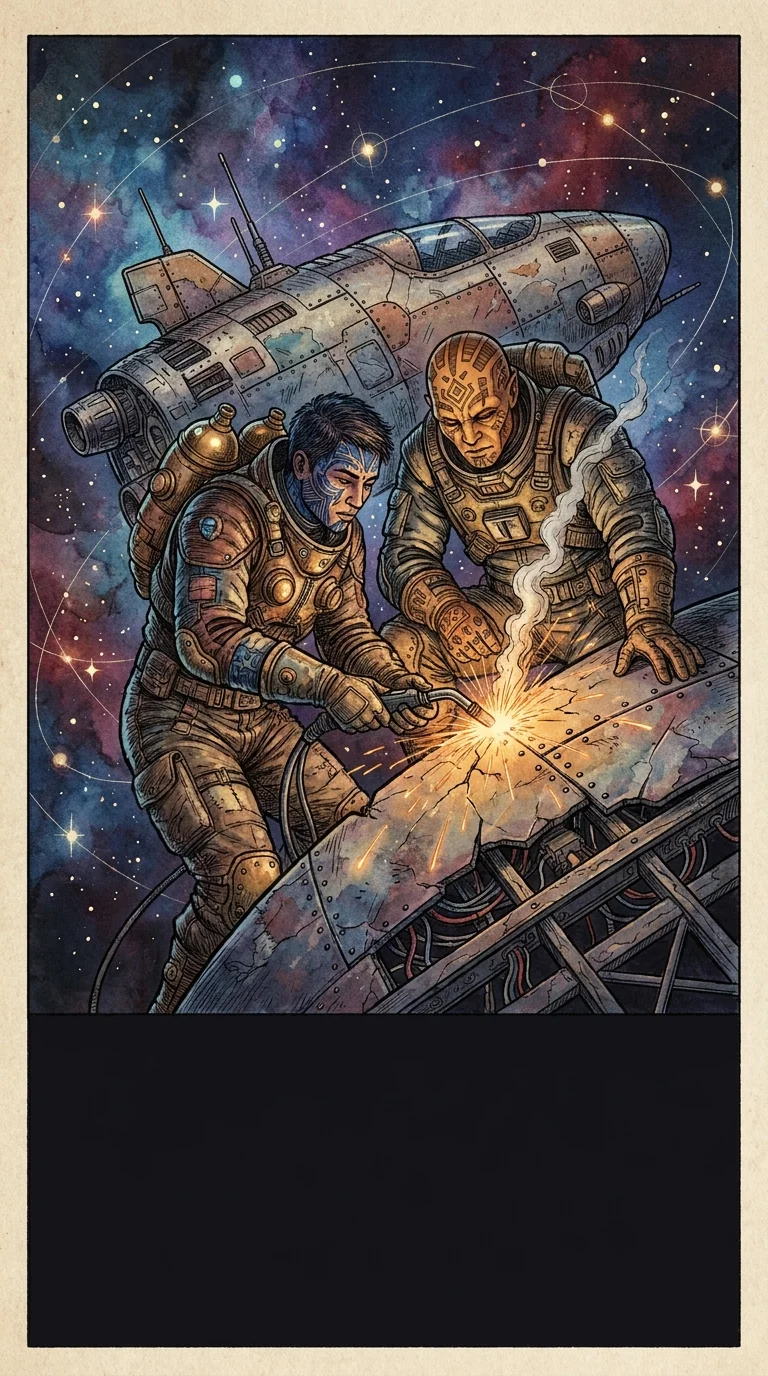
Here's what decades of research actually found: the thing that rewires prejudice isn't education, guilt, or goodwill. It's contact. Real, structured, equal-footing contact with the people your brain filed under "other."
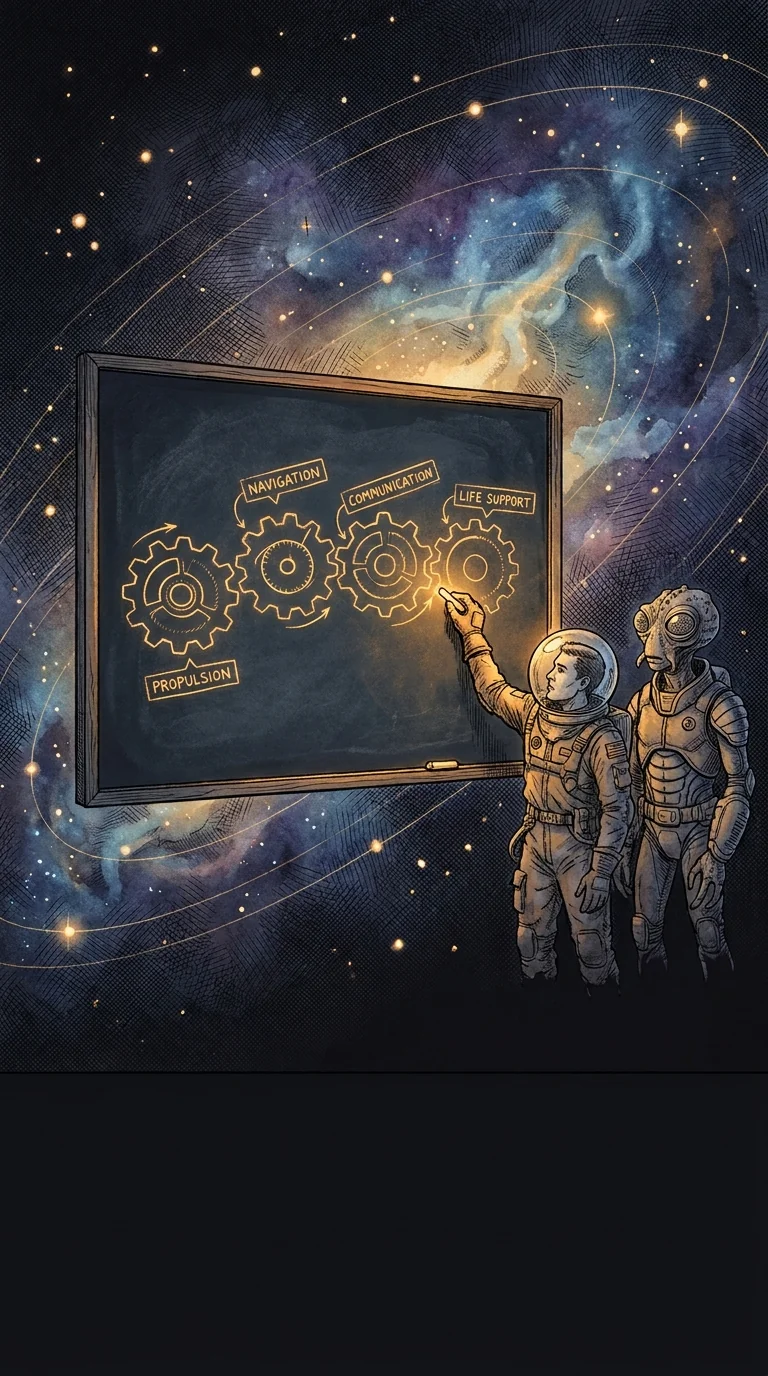
Psychologist Gordon Allport mapped four conditions that make contact actually reduce prejudice: equal status between groups, shared goals, genuine cooperation, and support from authority or norms. Miss one, and you're just putting people in a room and hoping for magic.
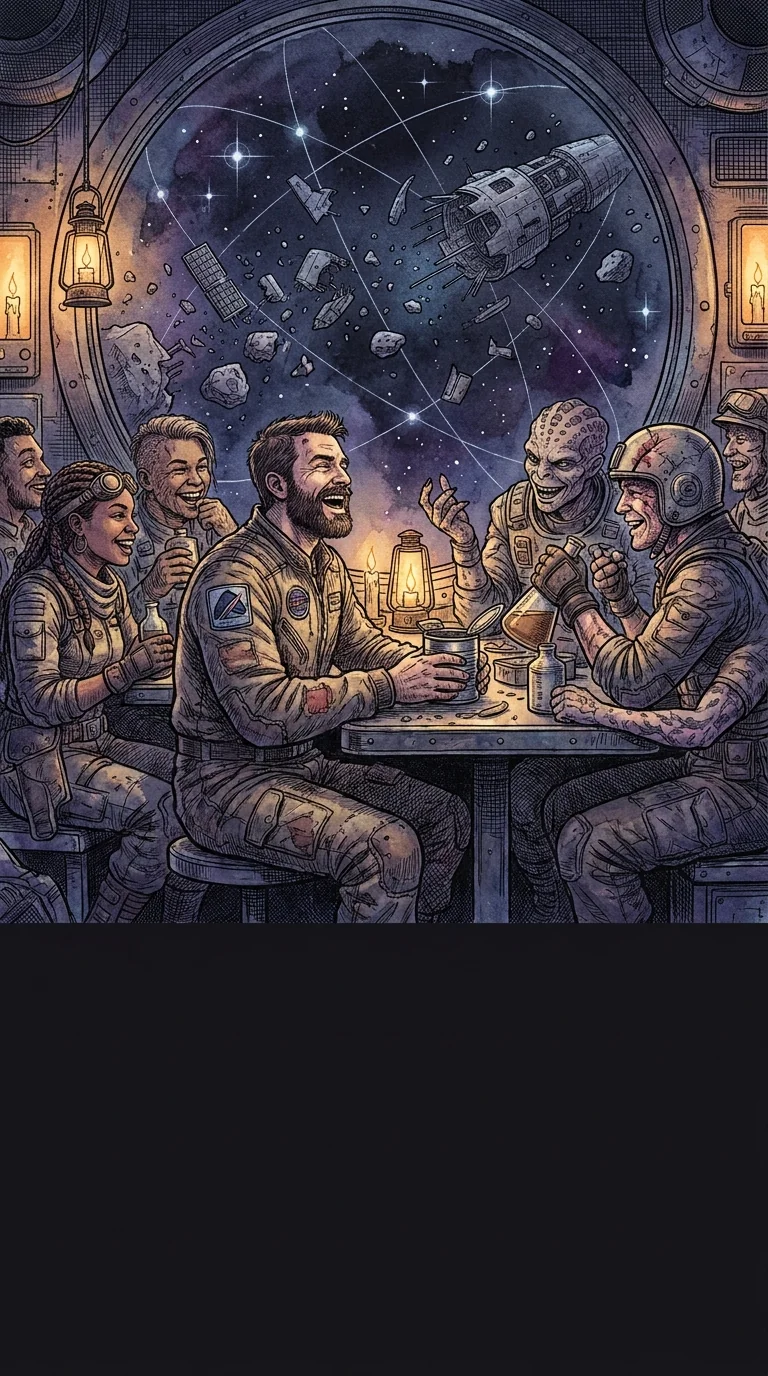
Marcus spent three years in an online forum convinced settlers from the outer ring were freeloaders. Then his crew rotation put him on a joint salvage mission with six of them — same rank, same danger, same split of the haul. By week two, his brain had quietly rewritten a file he didn't even know was open.
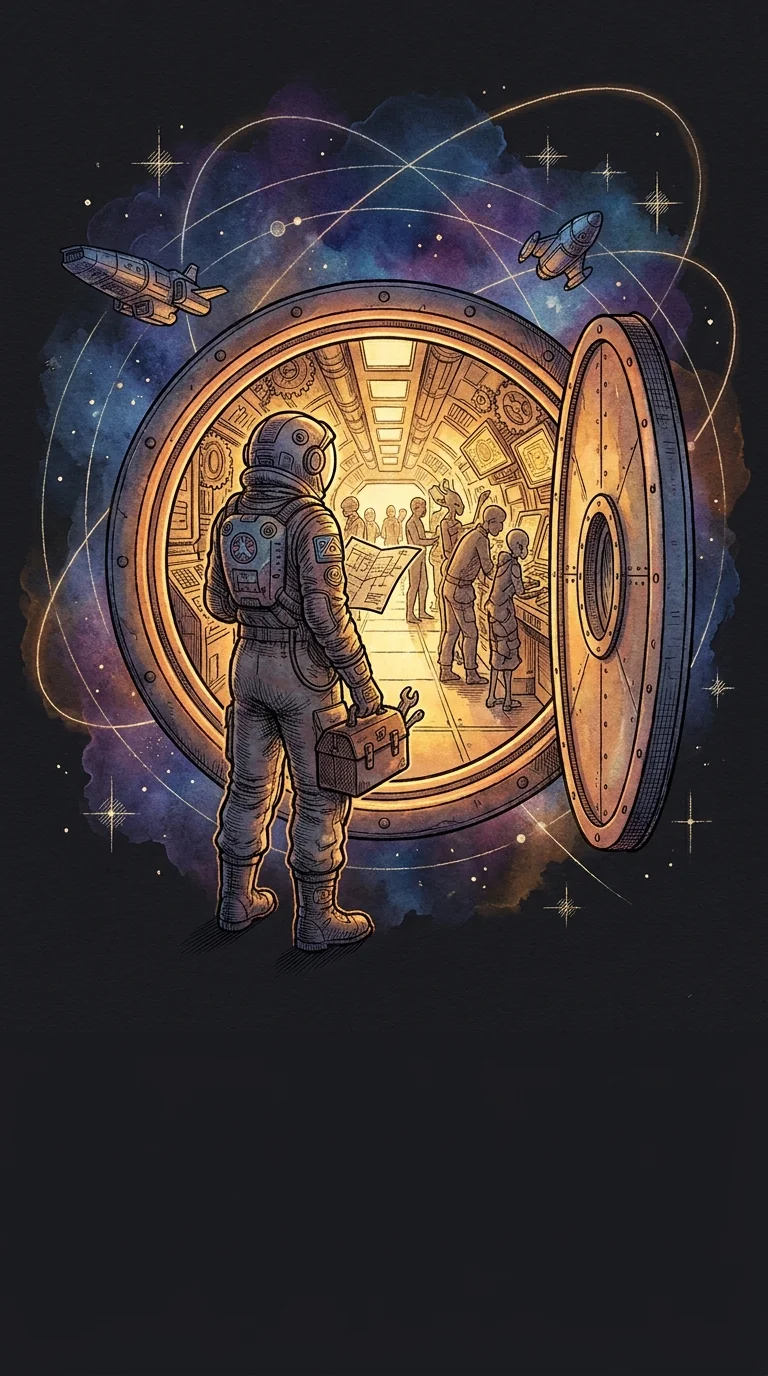
Contact isn't a feel-good slogan — it's a mechanism with specific moving parts, and you can learn to build those conditions on purpose. In Part 2, you'll practice setting up real contact experiences in your own life using Allport's four conditions. See you there.
Part 2: Building Bridges: Contact Hypothesis in the Real Galaxy — Practice
+10 XP on completion

Real contact with people who aren't like you rewires prejudice — but only if the conditions are right. So let's build those conditions on purpose.
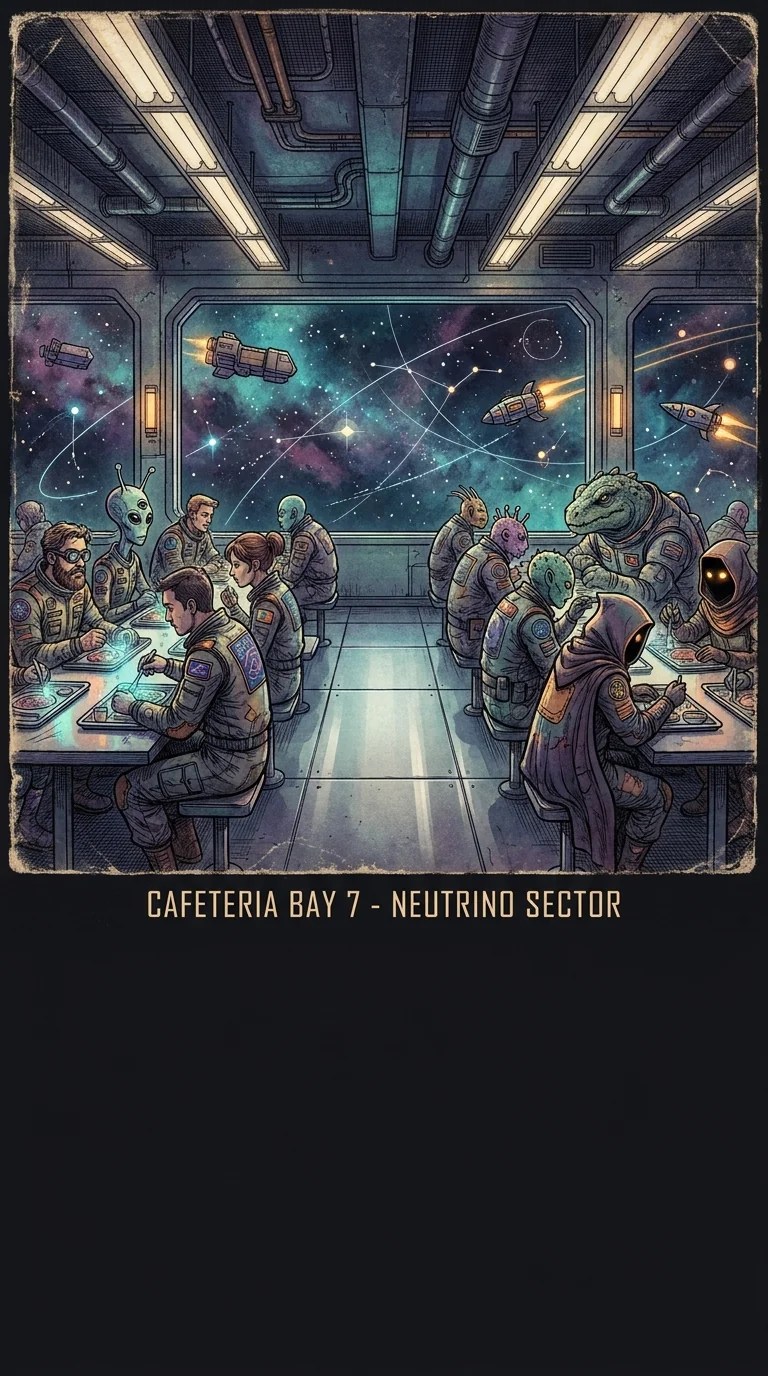
Casual proximity doesn't count. Sitting in the same cafeteria, riding the same shuttle — your brain files that under background noise and changes nothing.
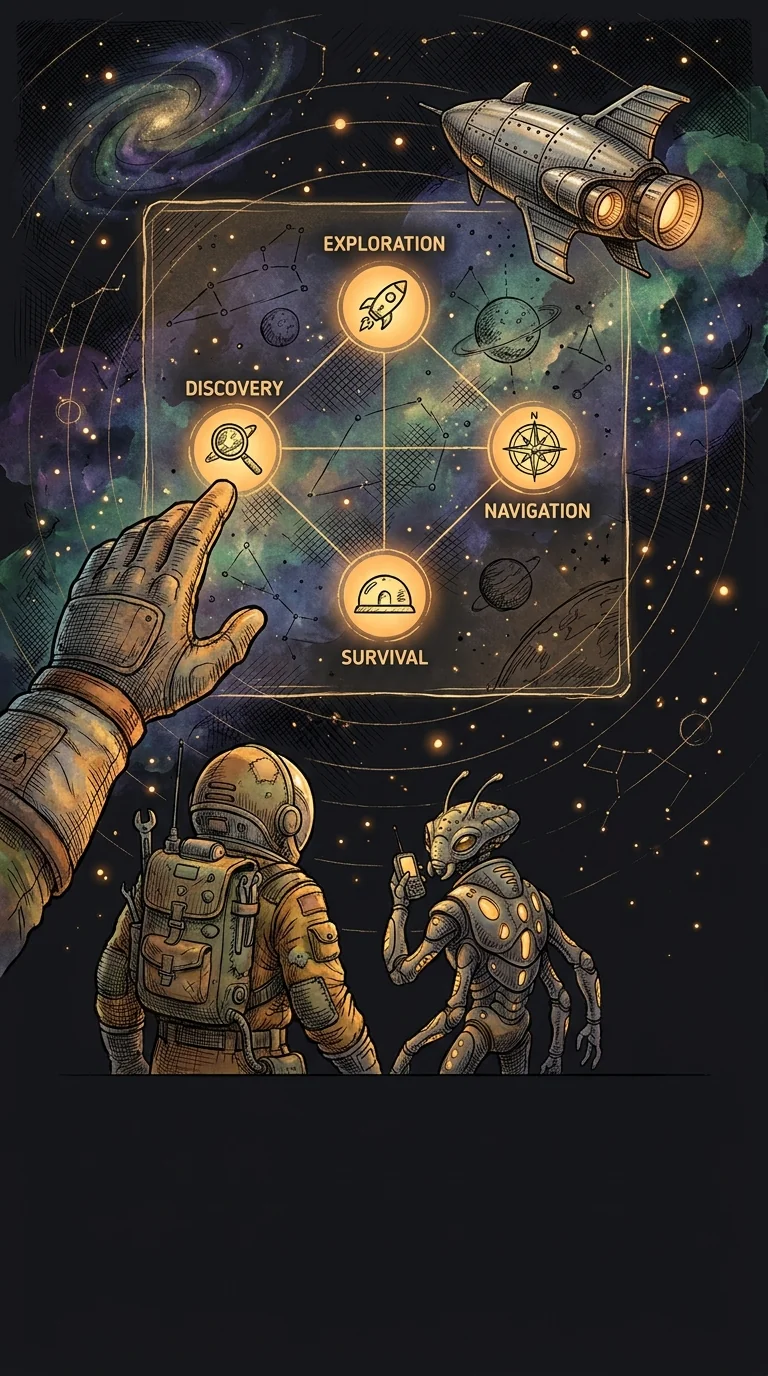
The Bridge Method has four ingredients: equal footing, a shared goal, real cooperation, and some kind of authority or structure that says "this matters." Miss one and you're just making small talk across a divide.
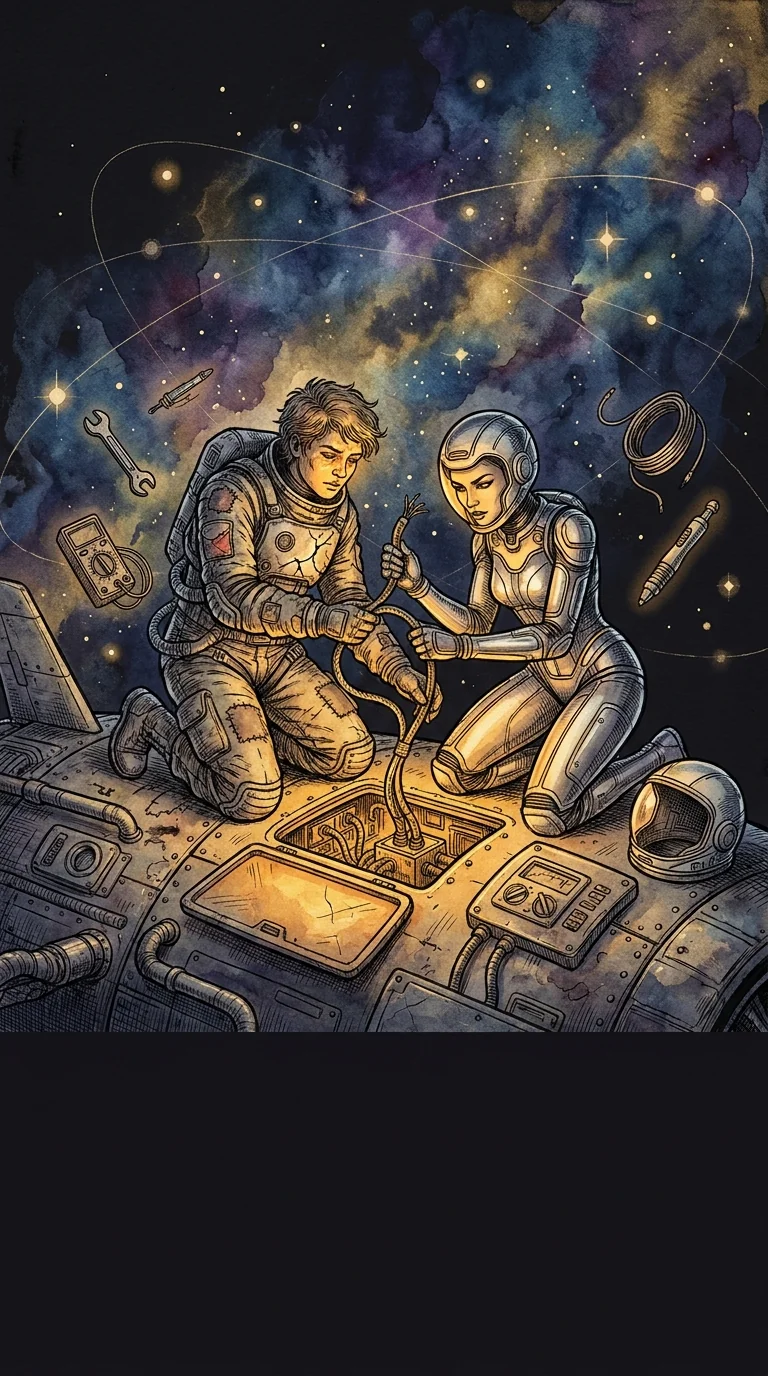
Your move this week: find or create one situation where you work alongside someone from a group you don't usually spend time with — on something you both actually care about finishing. Volunteer shift, community project, shared workspace. Equal stakes, shared sweat.
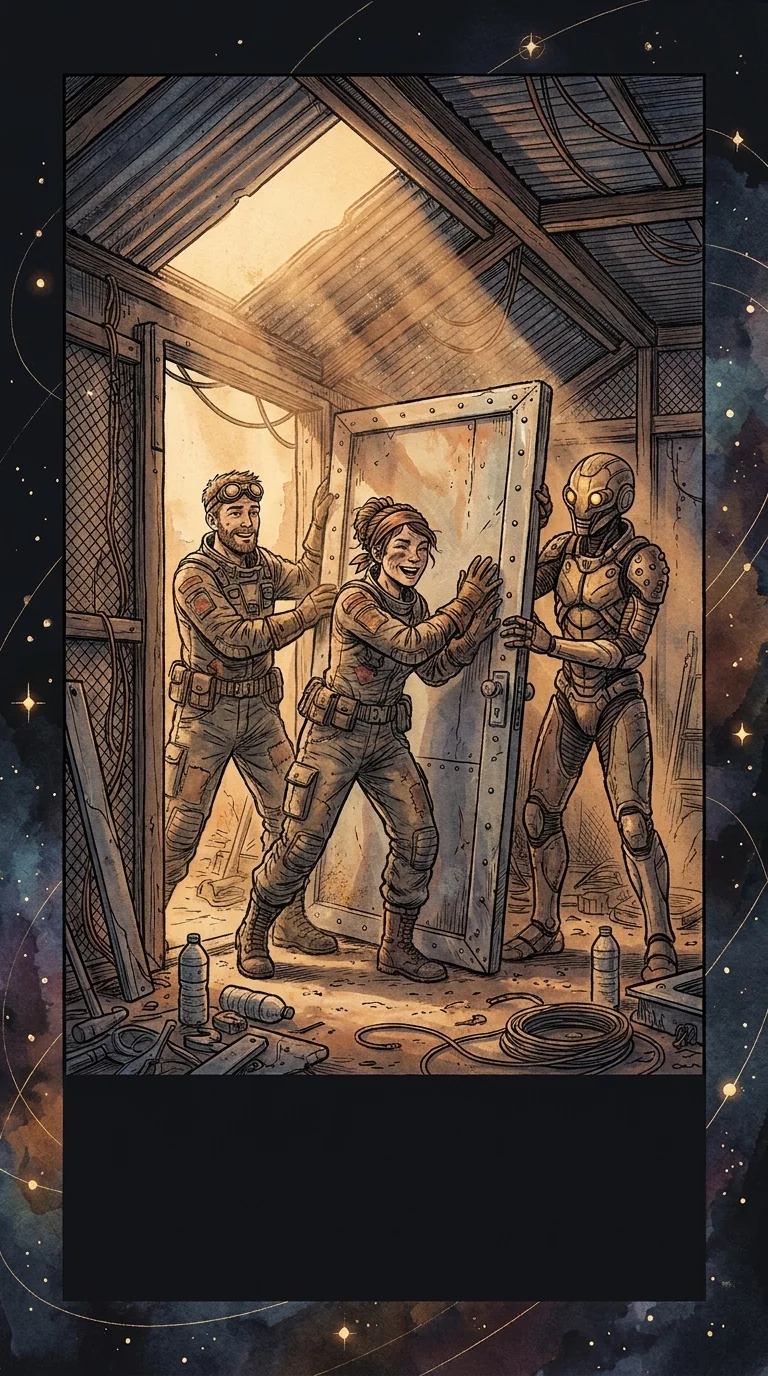
Sarah signed up for a weekend habitat build with a community group from across town — people she'd driven past for years and never spoken to. By hour three, covered in the same dust, arguing over the same crooked doorframe, she realized the category she'd filed them under had quietly dissolved. What replaced it were names.
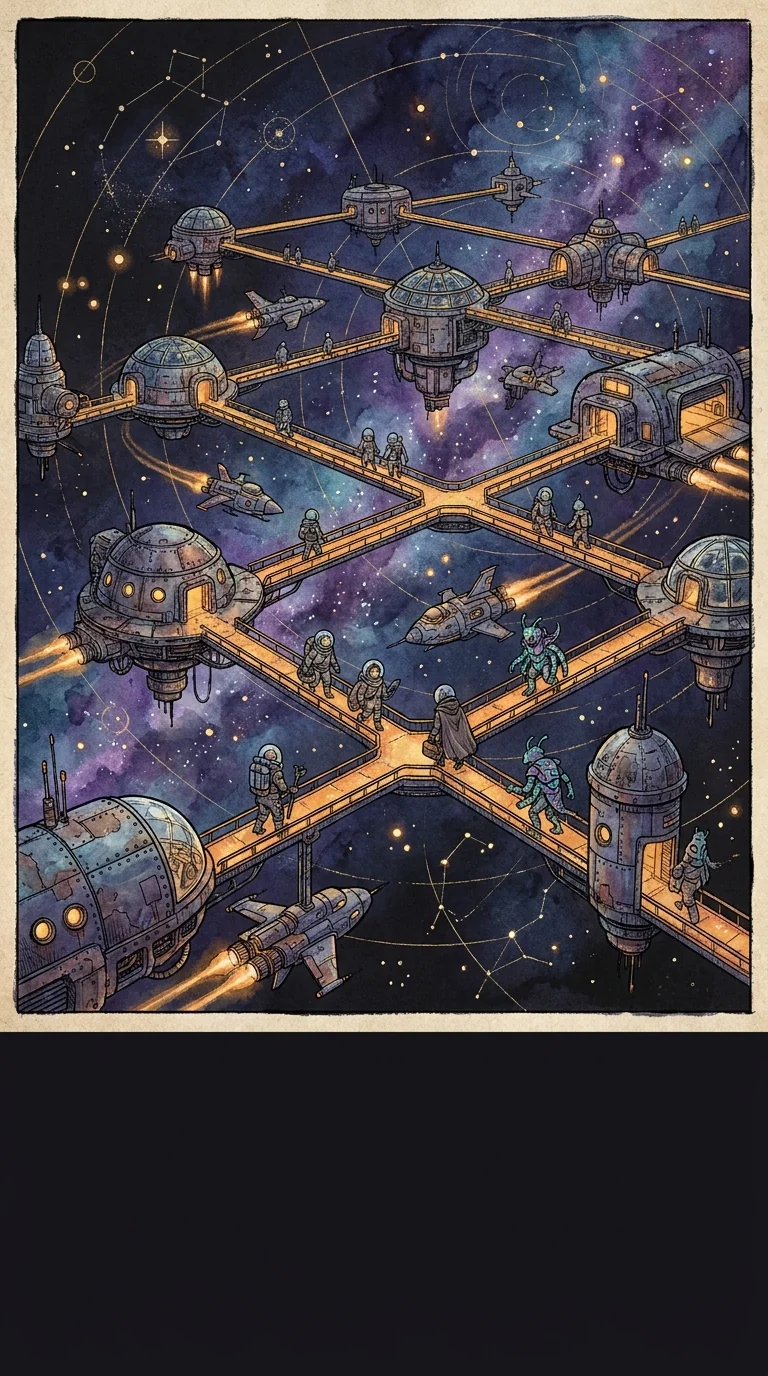
Categories are comfortable. Names are transformational. Every bridge you build this way — small, real, shoulder-to-shoulder — makes the next one easier to start, and harder to burn.