The Frustration Trap
You're stuck in line at the refueling depot. The kiosk just froze. And somewhere behind your ribcage, a small, hot engine is already revving toward rage — over a kiosk.
Part 1: The Frustration Trap — Concept
+5 XP on completion
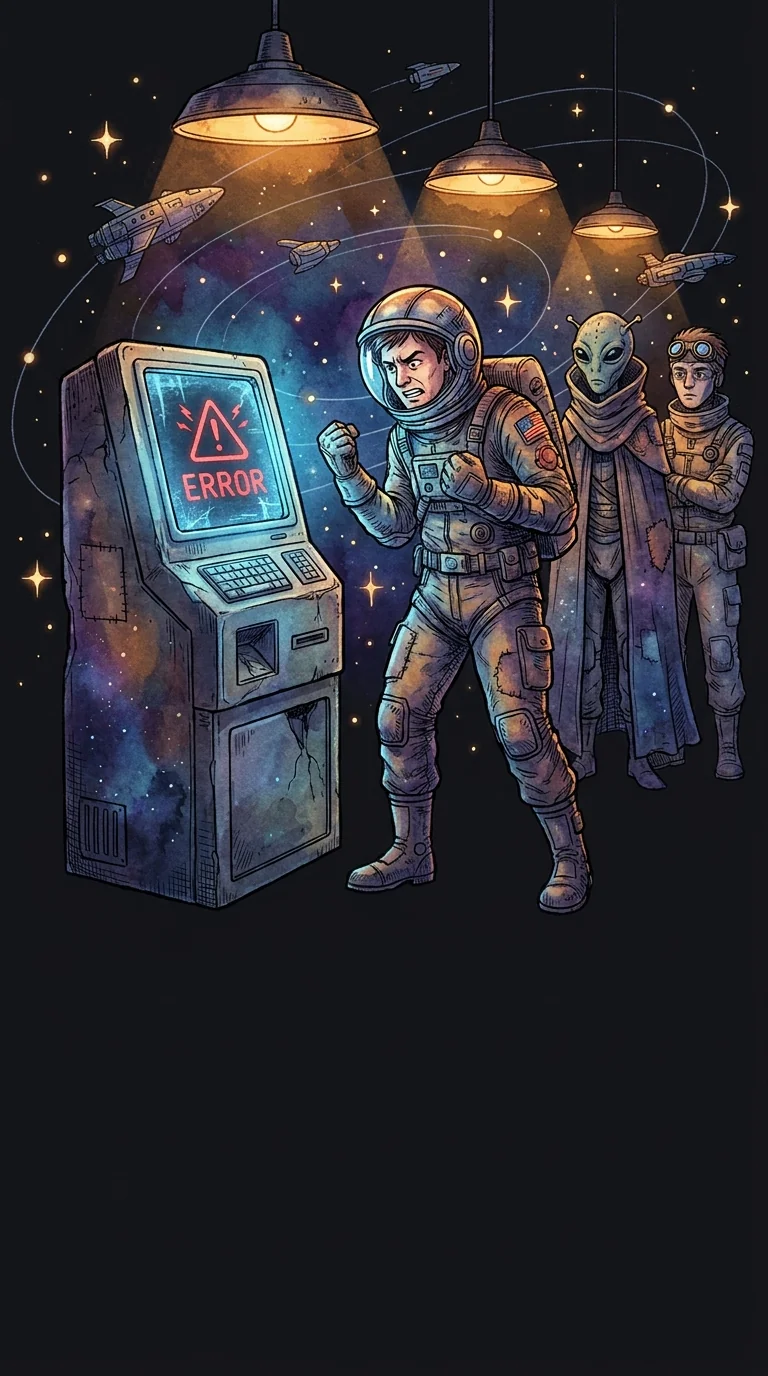
You're stuck in line at the refueling depot. The kiosk just froze. And somewhere behind your ribcage, a small, hot engine is already revving toward rage — over a kiosk.
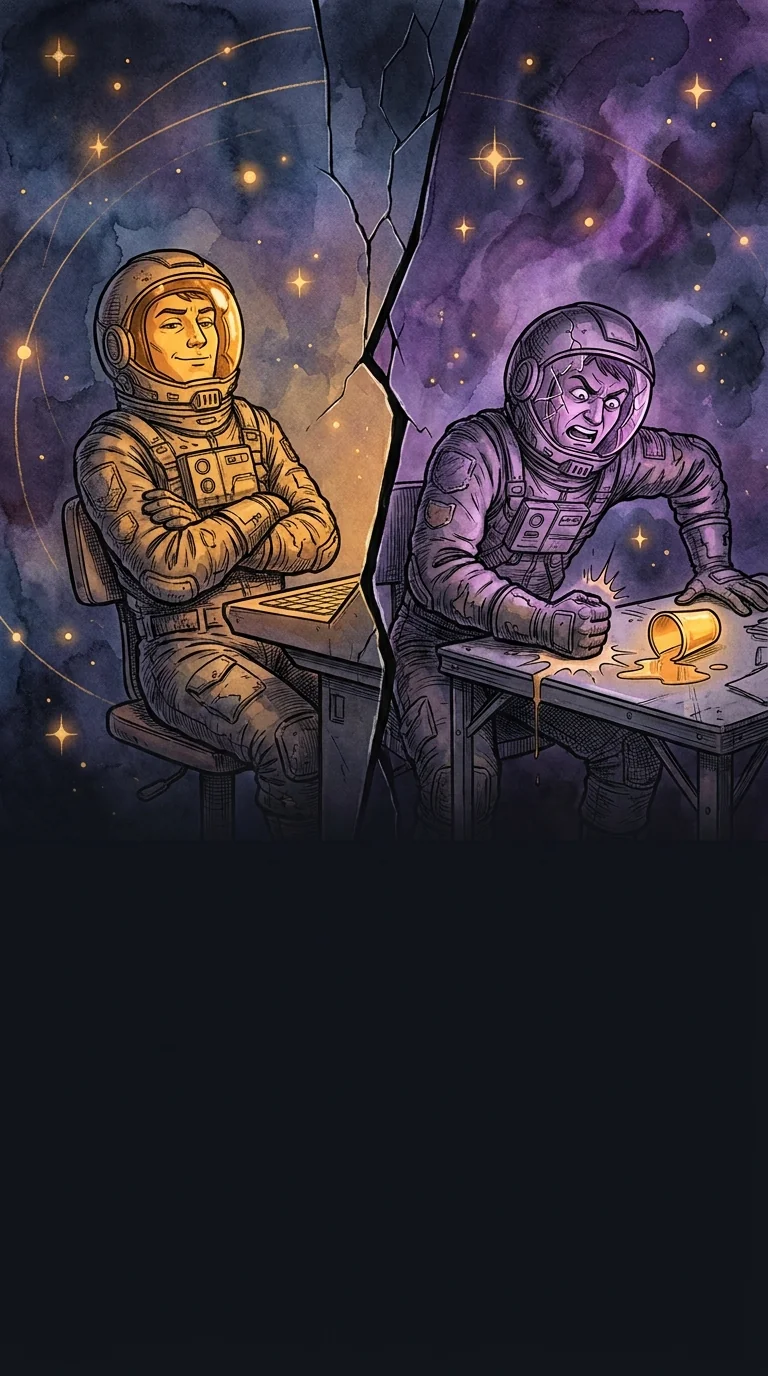
We like to think anger is a choice — something reckless people do because they lack discipline. That story is comfortable, and it's mostly wrong.
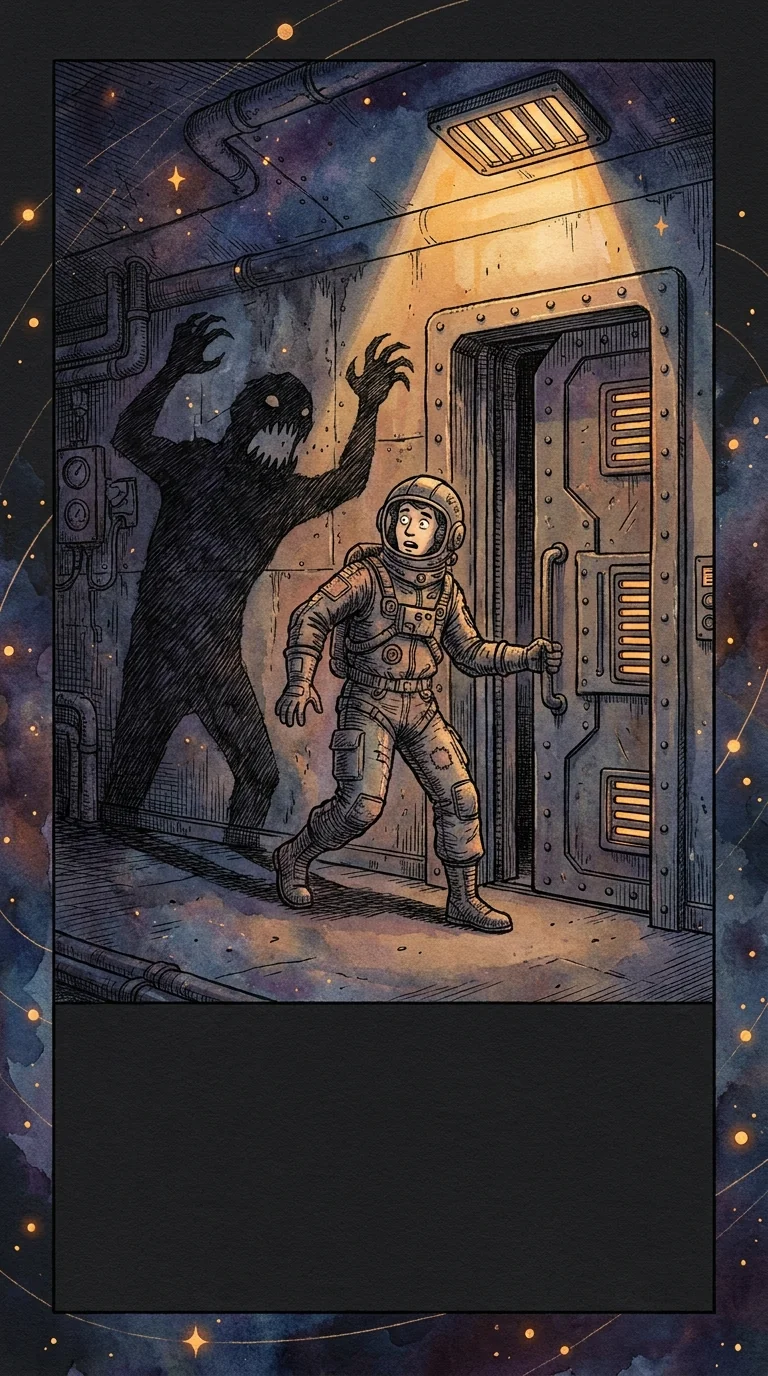
Psychologists call it the frustration-aggression hypothesis: when something blocks you from a goal you expect to reach, aggression doesn't politely knock. It kicks the door in. It's closer to a reflex than a personality flaw.
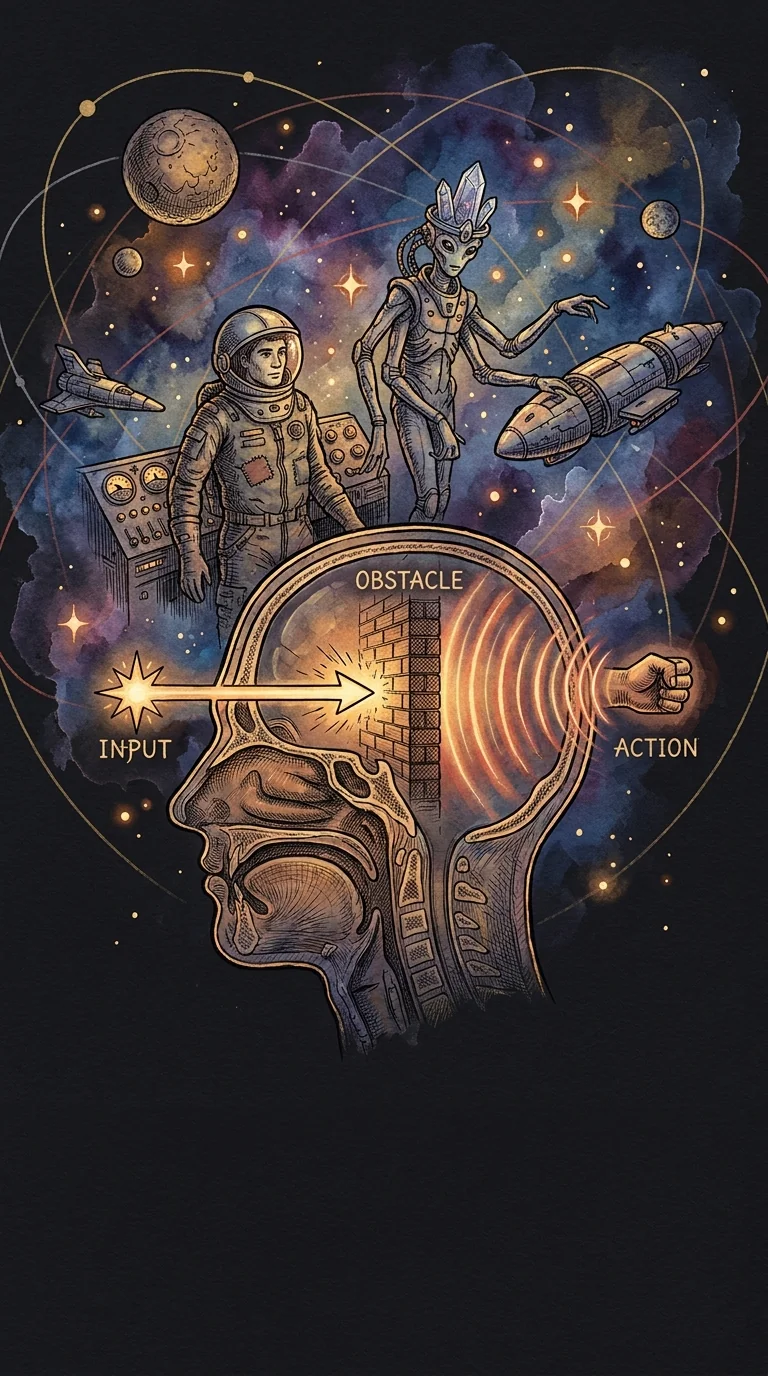
Here's how the circuit fires: expectation meets obstacle, obstacle generates pressure, and pressure doesn't care whether the obstacle is a frozen kiosk or a stalled career. Your nervous system treats both like a wall that needs hitting.
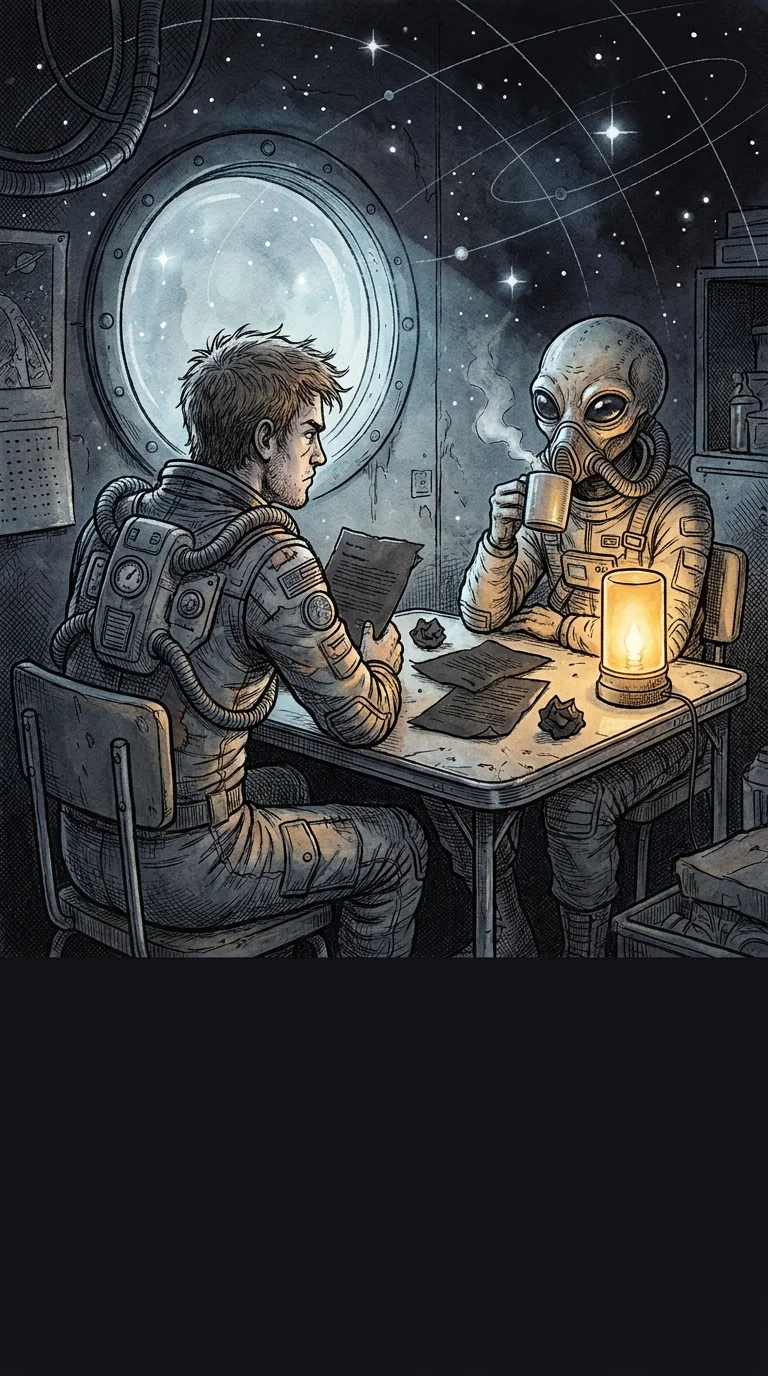
Marcus applied for a transfer off-station three times. Three rejections, each one polite, each one a wall. By the fourth week he wasn't angry about the transfer anymore — he was snapping at his crew over cold coffee and loud breathing. The frustration found its own exits.
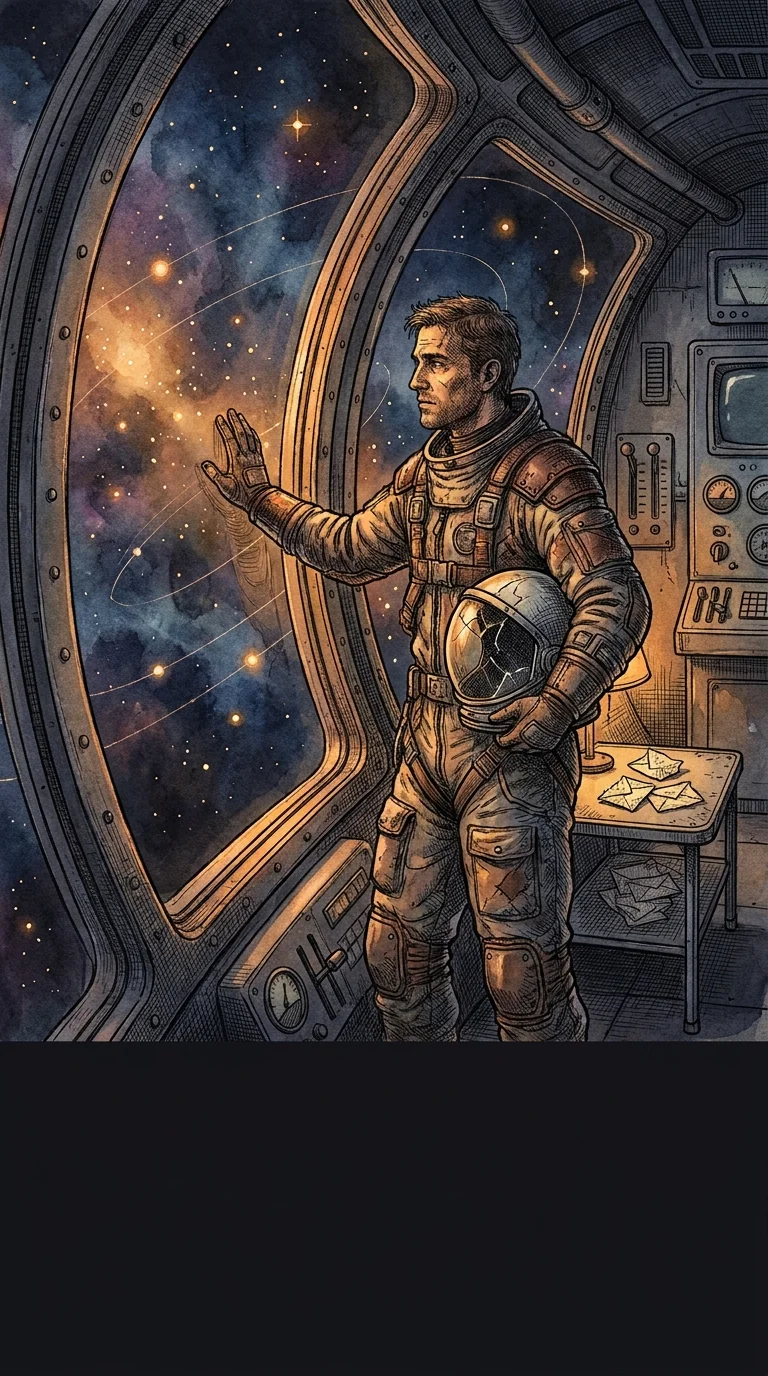
The reflex is real, and it's not a verdict on who you are. But left unnamed, it picks targets for you — usually the wrong ones. In Part 2, you'll practice spotting the frustration-aggression loop in your own week before it picks for you. See you there.
Part 2: The Frustration Trap — Practice
+10 XP on completion
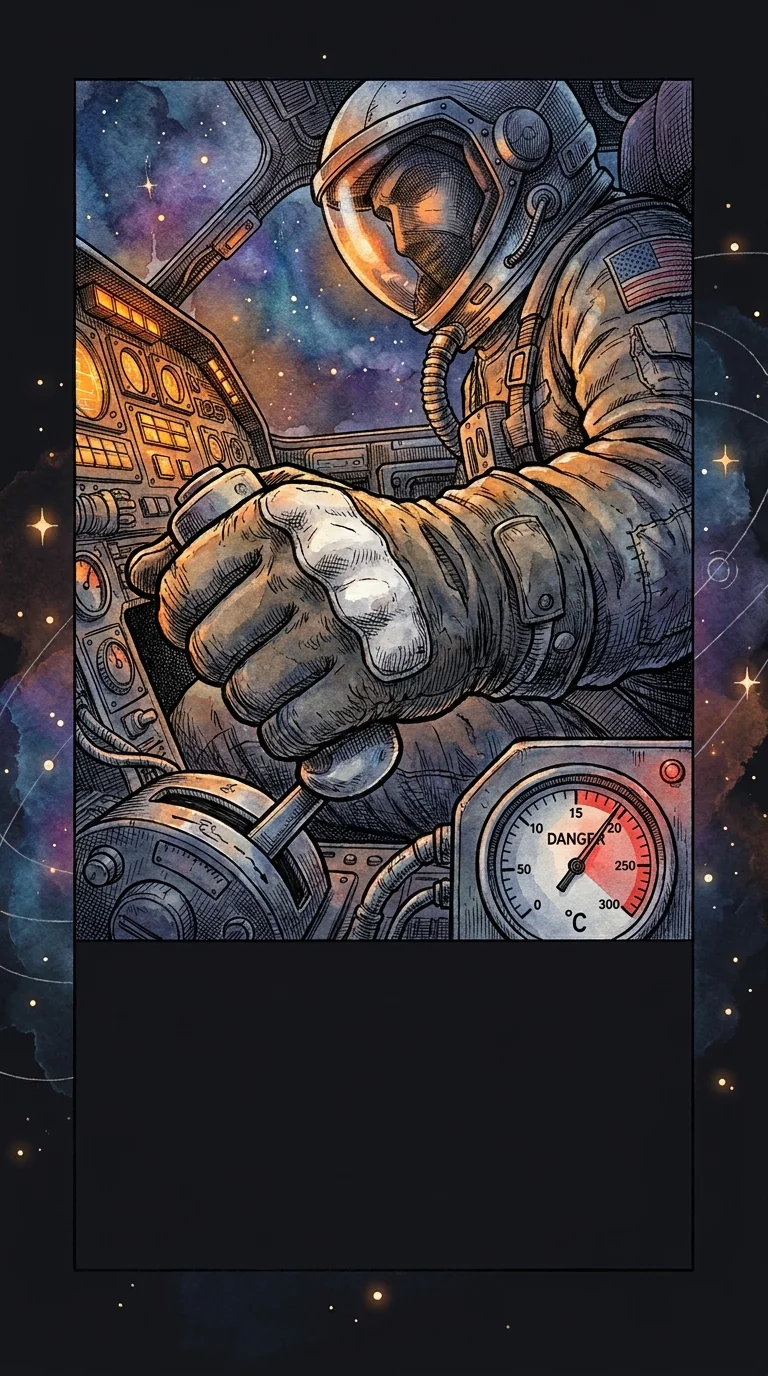
Frustration fires up aggression the way a blocked engine builds heat — automatically, not because you're broken. The question isn't whether the heat shows up. It's what you do in the three seconds after.
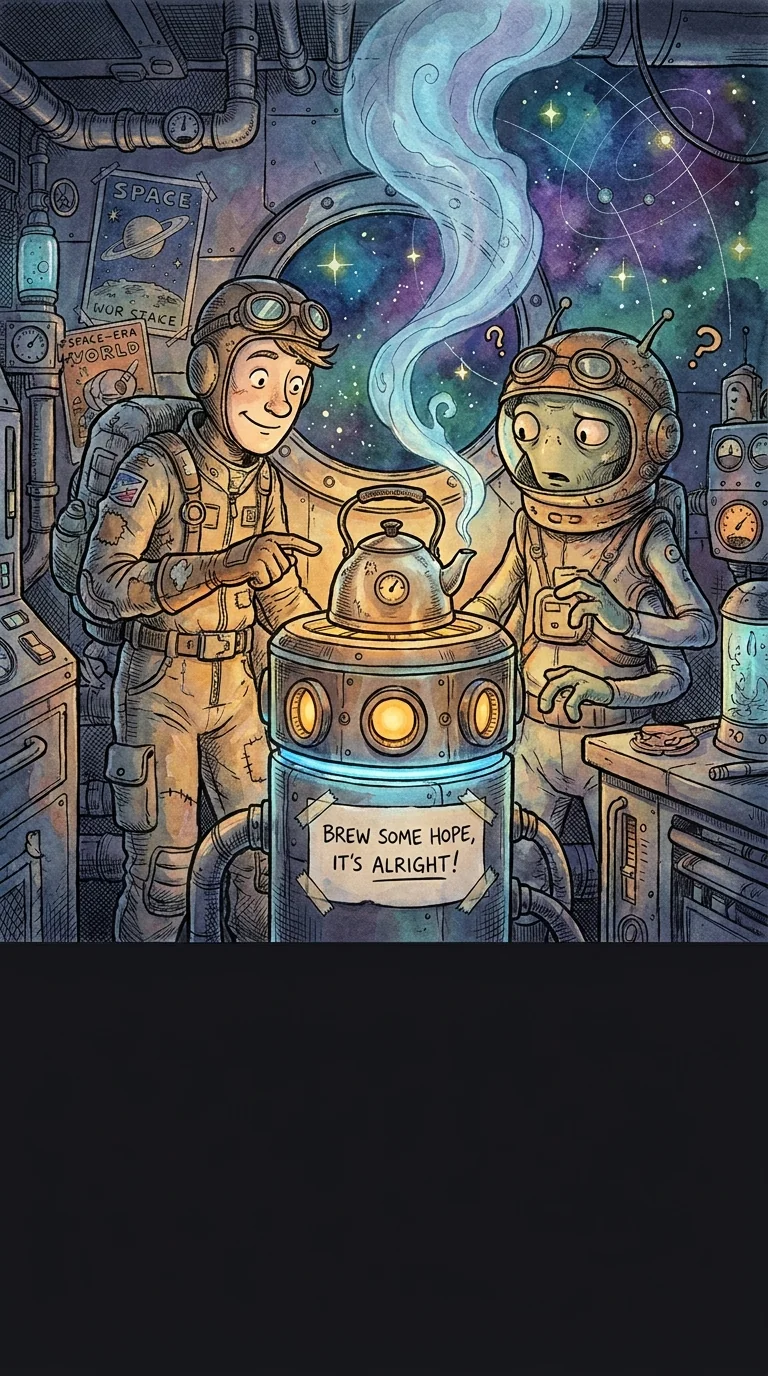
Most frustration advice boils down to "just calm down" — which is like telling a kettle to stop boiling while the burner's still on. You can't override a reflex with a slogan. You need a manual interrupt.
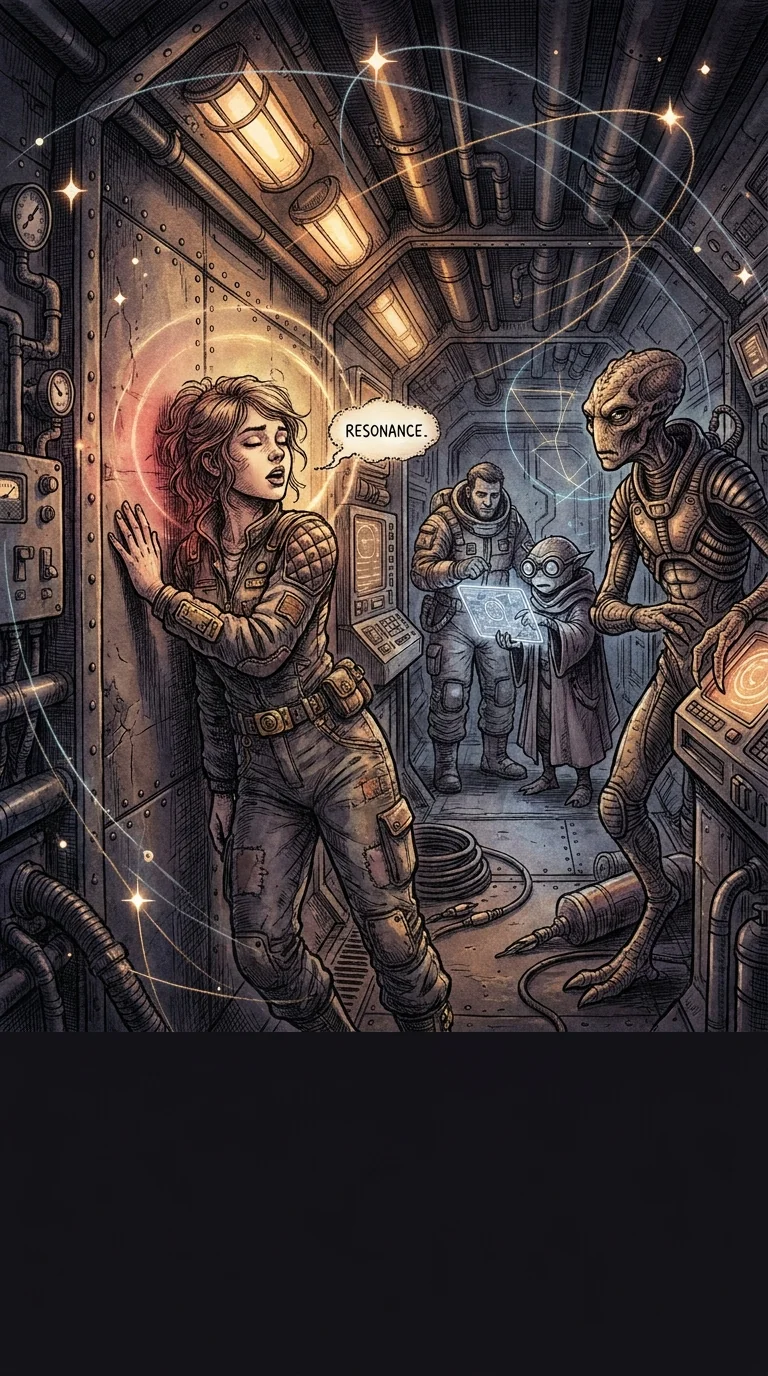
The interrupt is a technique called the Frustration Pause. When you feel that surge — the jaw tightening, the chest compressing — you name it out loud: "That's frustration." Naming it moves the signal from your reflexes to your prefrontal cortex. Three words buy you three seconds of choice.
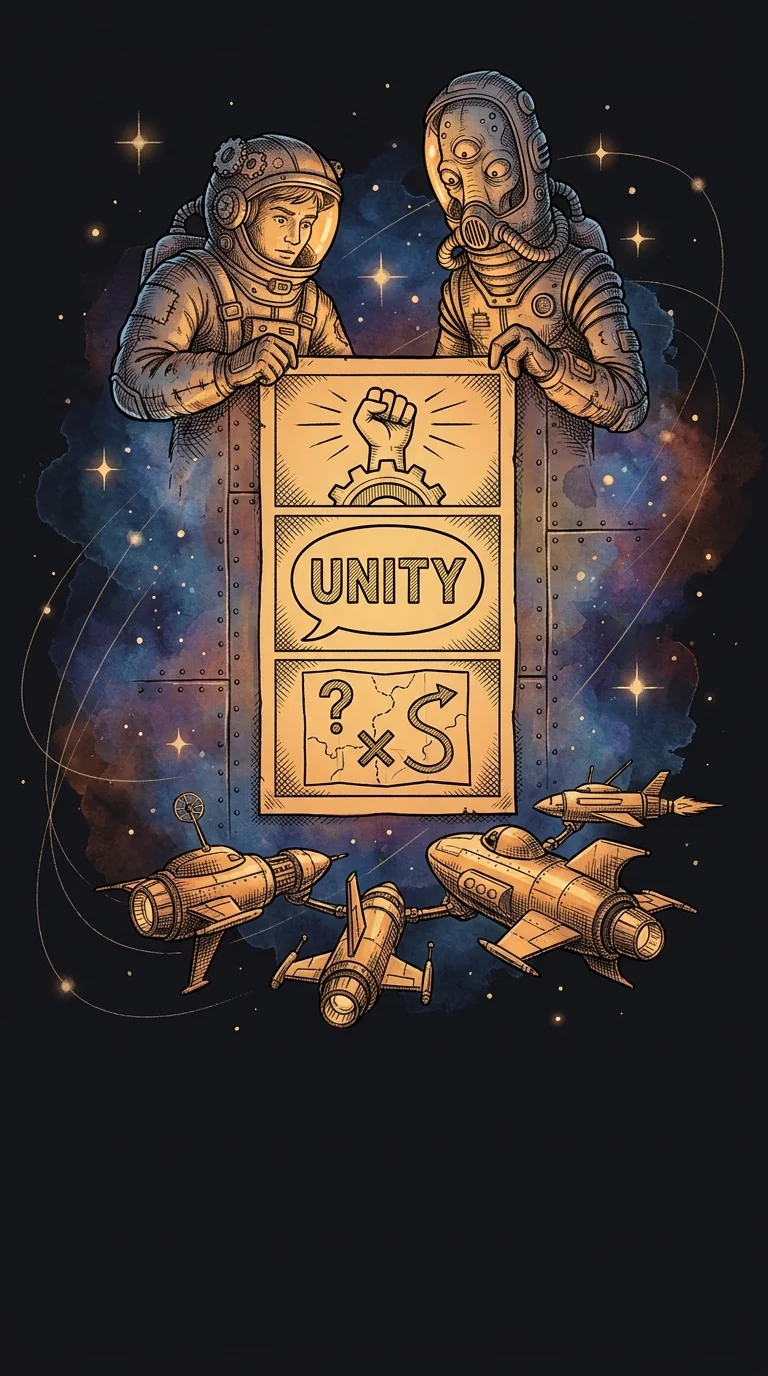
Step one: notice the body signal — tight jaw, hot chest, clenched fists. Step two: say the name aloud or in your head. Step three: ask one question before you act — "What am I actually blocked from?" That question redirects the heat toward the real problem instead of the nearest target.

Marcus got passed over for a crew promotion he'd expected for months. His first impulse was to fire off a message telling his supervisor exactly what he thought of the decision. Instead, he pressed his palm on the desk and said, "That's frustration." Then he asked himself what he was actually blocked from — and realized it was recognition, not the title. He wrote a different message. A better one.
You don't need to stop feeling frustrated — that's the reflex doing its job. You just need those three seconds between the surge and the action. Practice the Frustration Pause once this week, even on something small, and you'll start to feel the gap widen. That gap is where you live.