The Purpose Gap
You ever finish a whole week and realize you can't name a single thing that mattered? Not because the week was bad — because none of it connected to anything larger than Tuesday.
Part 1: The Purpose Gap — Concept
+5 XP on completion
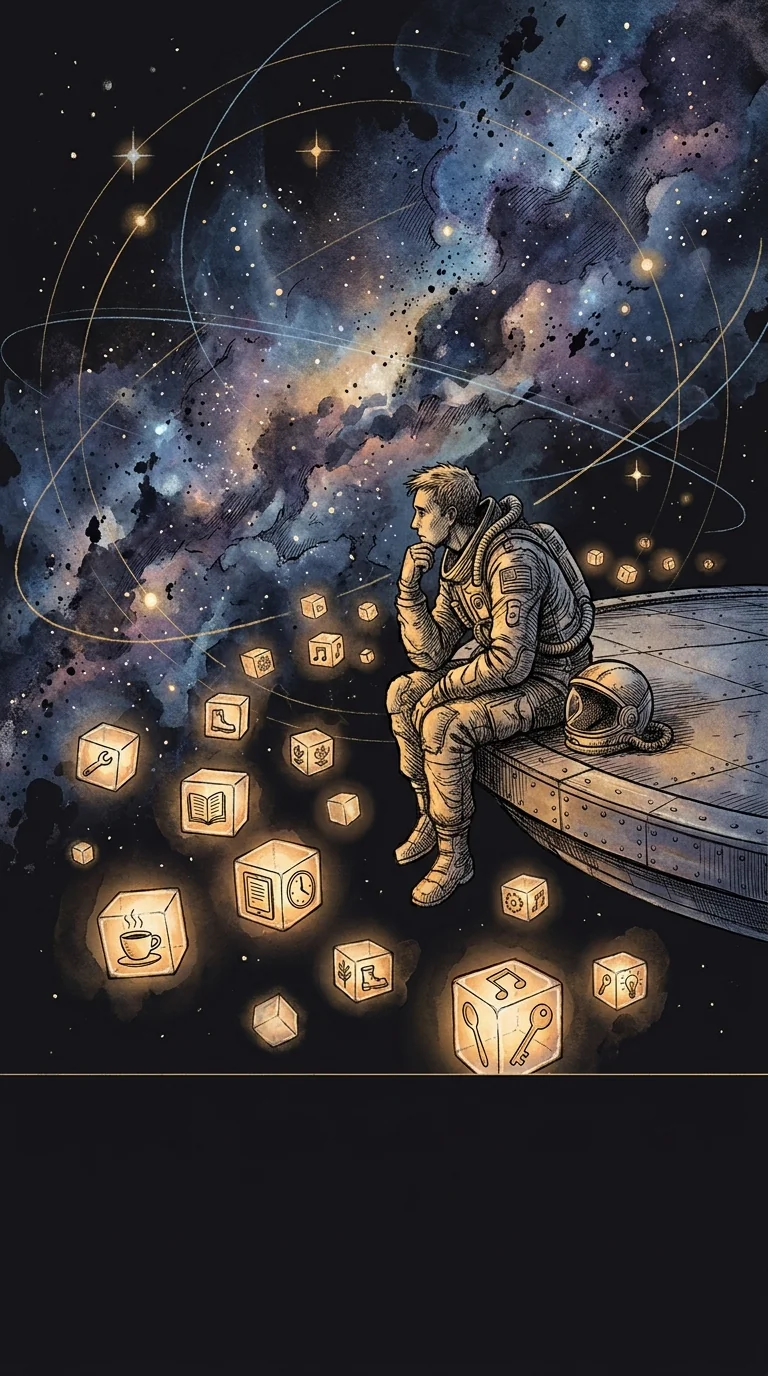
You ever finish a whole week and realize you can't name a single thing that mattered? Not because the week was bad — because none of it connected to anything larger than Tuesday.
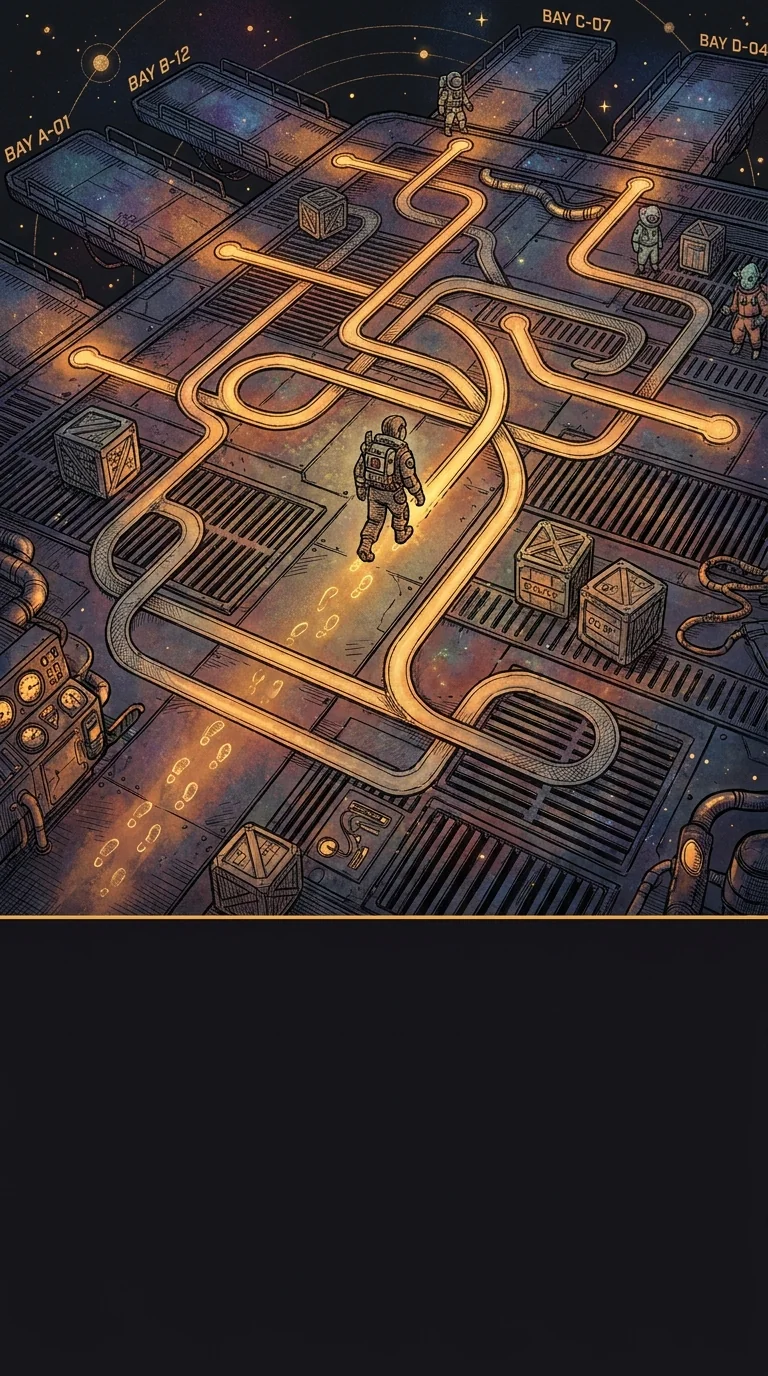
This is the purpose gap — the space between doing plenty and feeling like it adds up to something. You're not failing. You're just running a route with no destination programmed in.
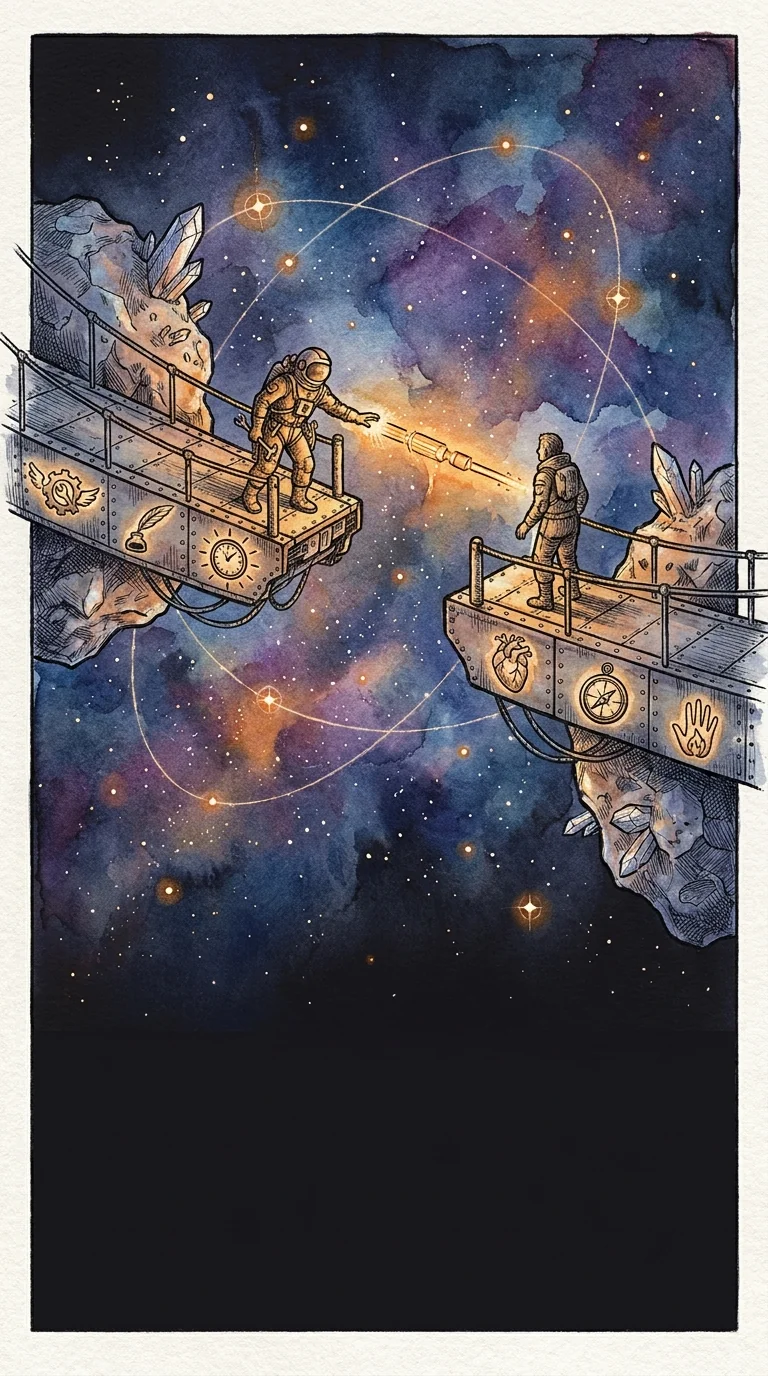
Here's what nobody admits: purpose doesn't arrive like a revelation. It's built — one small connection at a time — between what you do and what you actually care about. The gap closes from both ends.
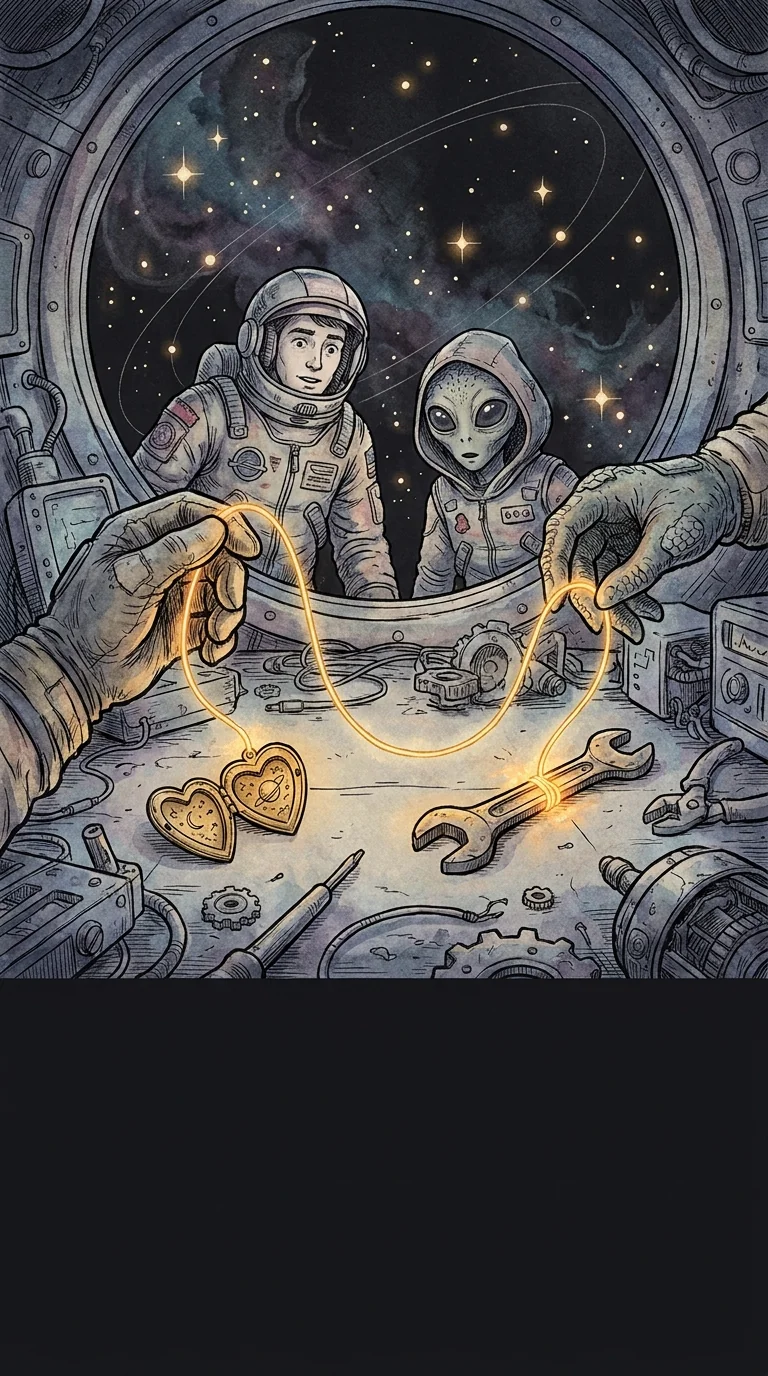
The mechanism is stupidly simple. You name what matters to you — not what should matter, what actually does — and then you find one thread between that and something you're already doing. One thread. That's the whole trick.
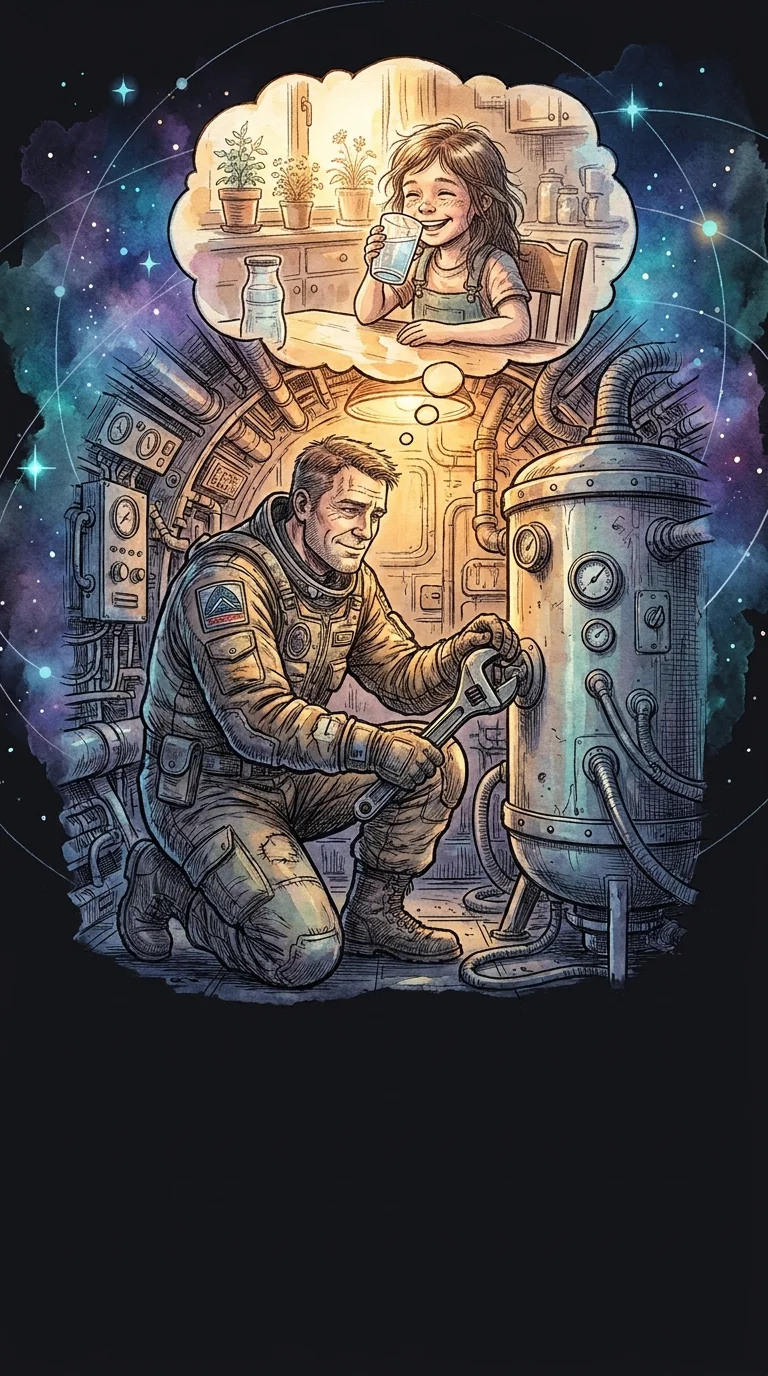
Marcus spent three years maintaining water recyclers on a station where nobody thanked him for it. Same tasks, same silence. Then he connected one fact — he cared about his daughter drinking clean water back home — to the work in front of him. Same job. Completely different experience.
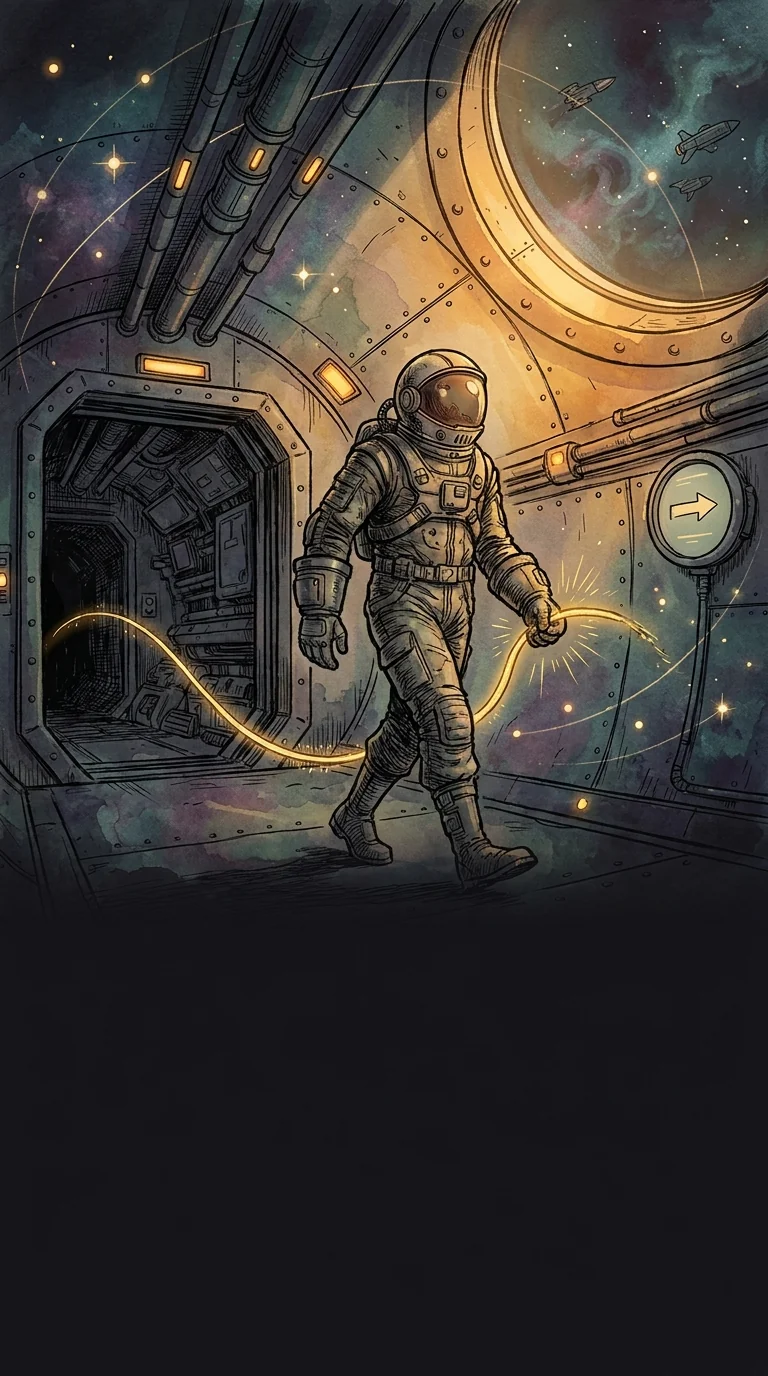
The purpose gap doesn't close with a grand epiphany. It closes with a thread you can actually hold. In Part 2, you'll practice naming what matters and connecting it to one thing you already do. See you there.
Part 2: The Purpose Gap — Practice
+10 XP on completion
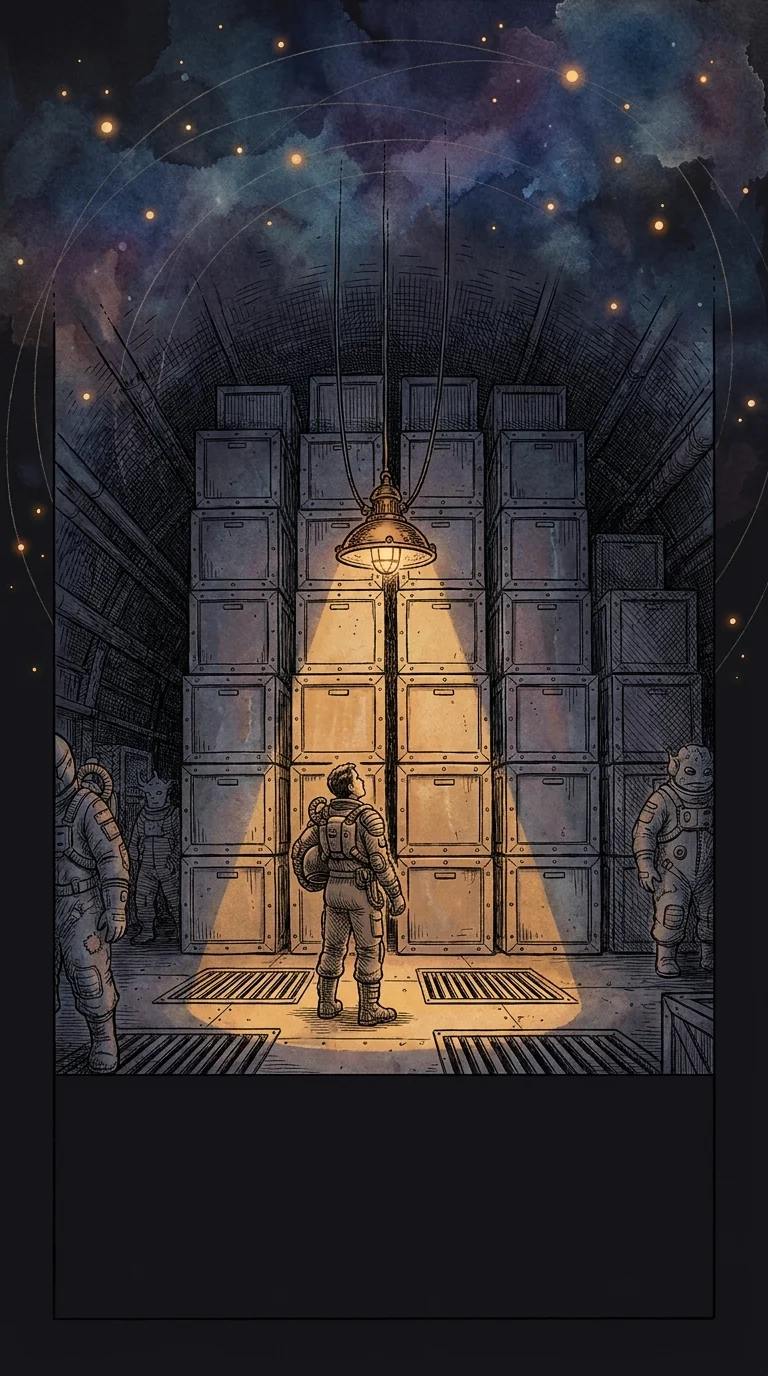
The purpose gap isn't about doing bad work — it's about doing disconnected work, day after day, until the quiet adds up to a roar.
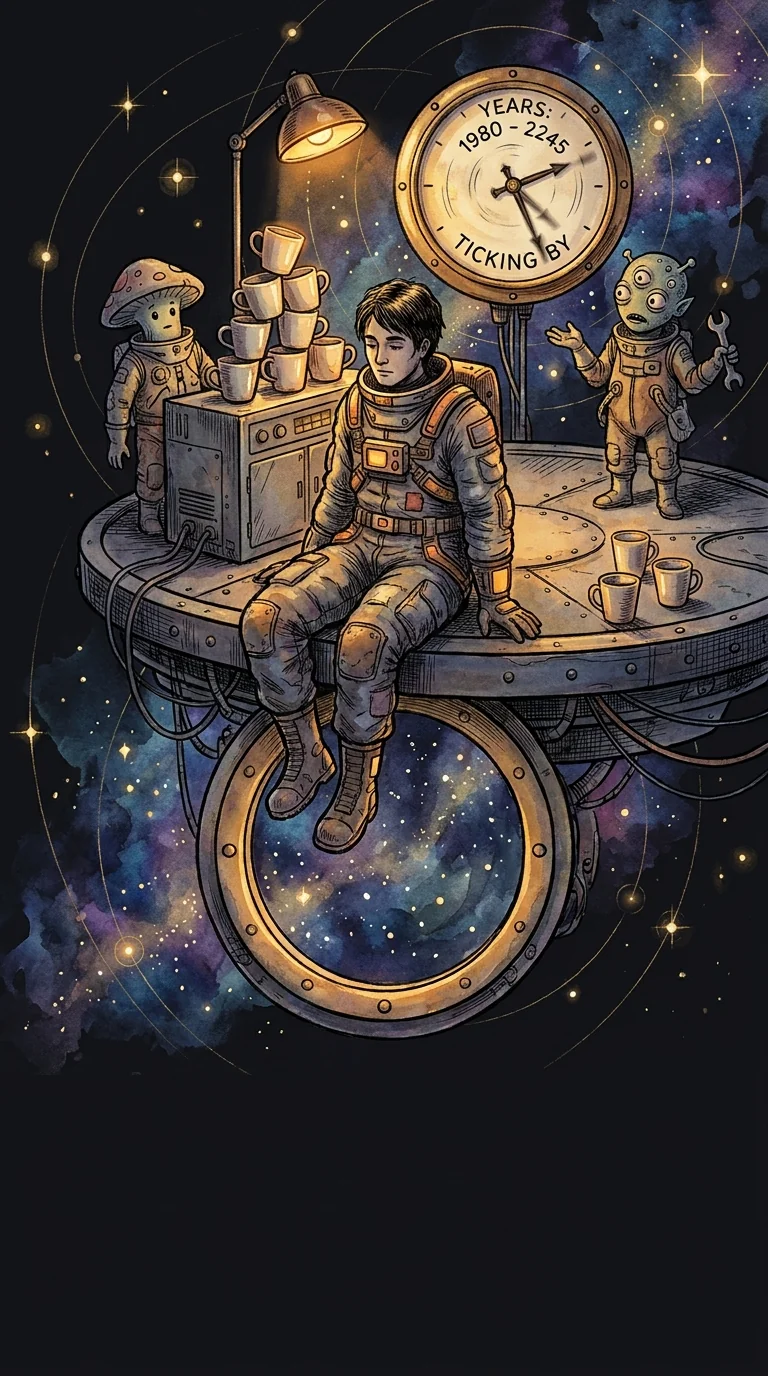
When you feel purposeless, the instinct is to wait — for a sign, a promotion, a bolt of clarity from the cosmos. Spoiler: the cosmos is busy.
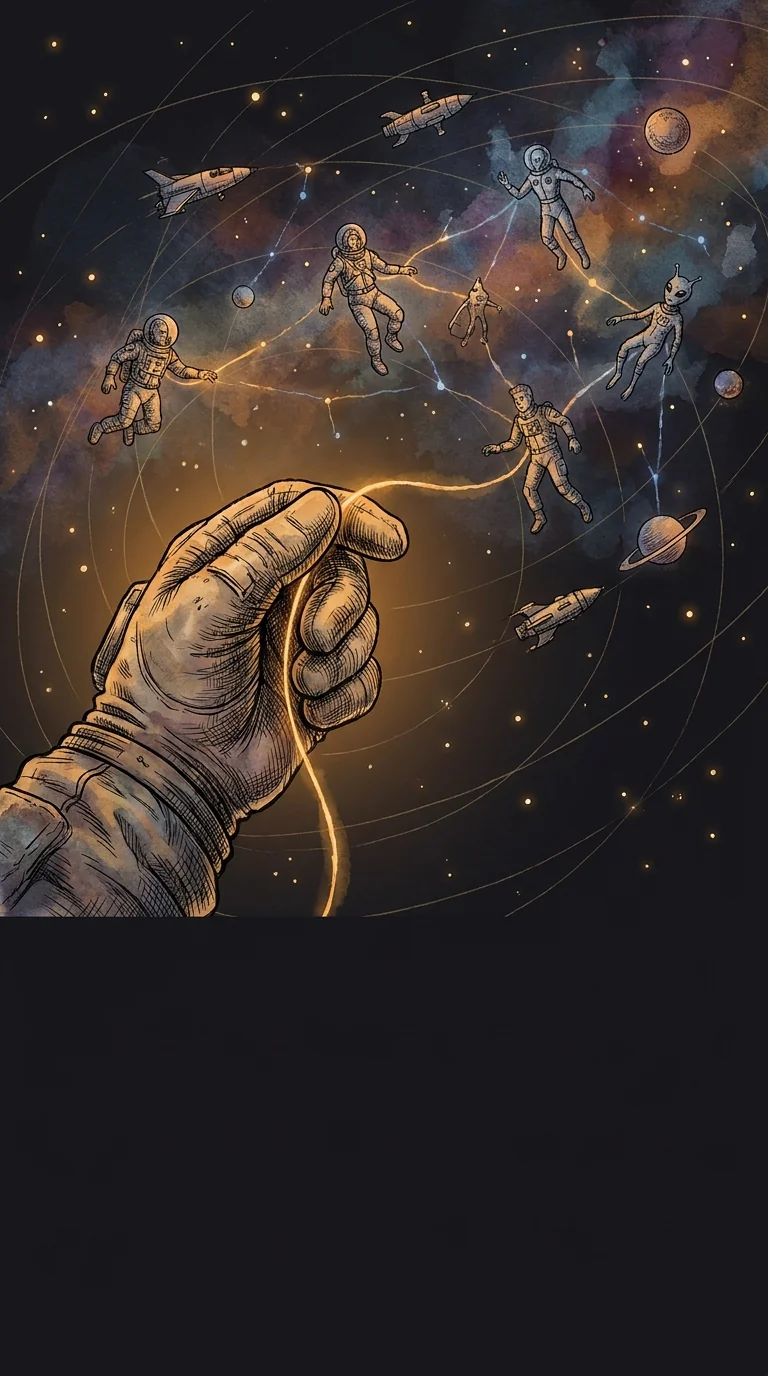
Purpose doesn't arrive — it assembles. One small, real connection at a time. The technique is called the Thread Map, and it starts with what you already have.
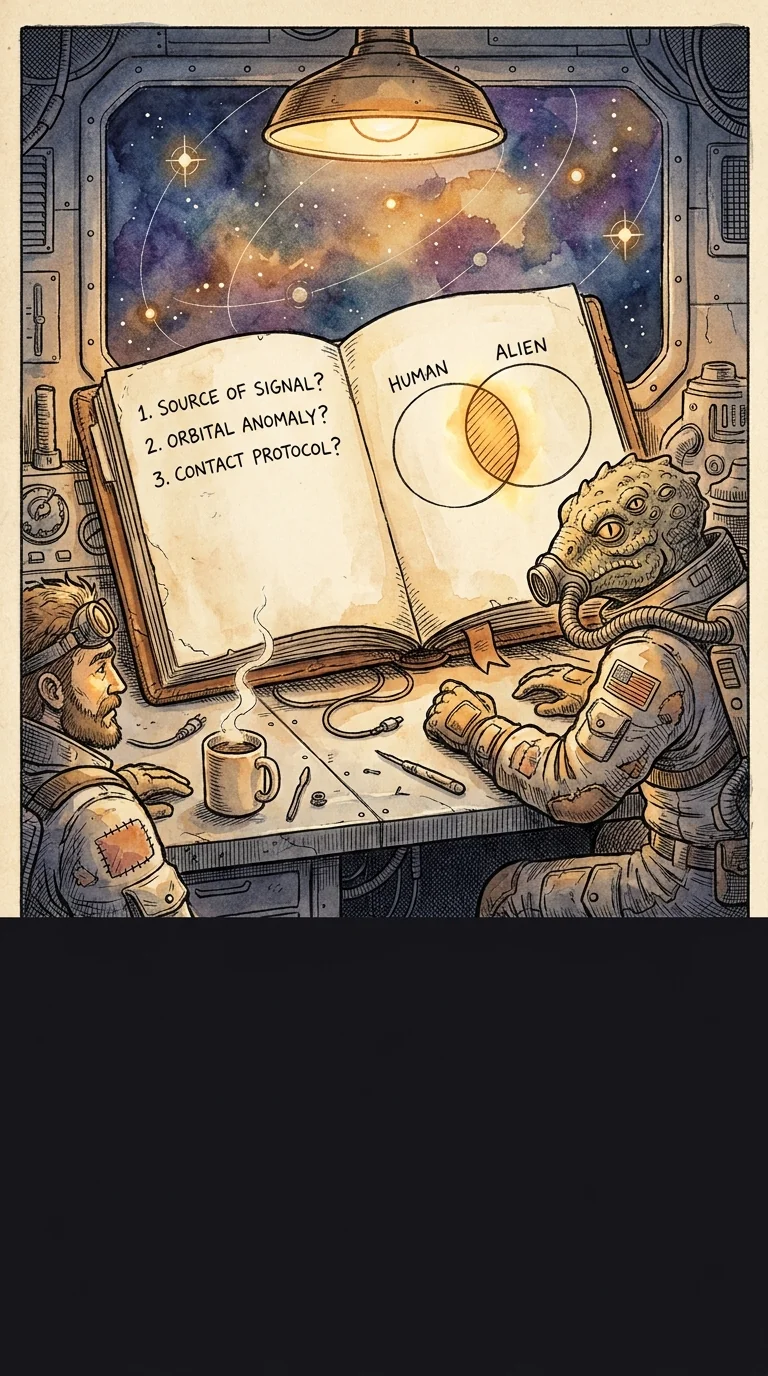
Three questions, written down. One: what did I do this week that made someone else's day slightly less terrible? Two: what moment made me forget the clock? Three: where do those two answers overlap? That overlap is a thread. Collect enough threads, you get a map.
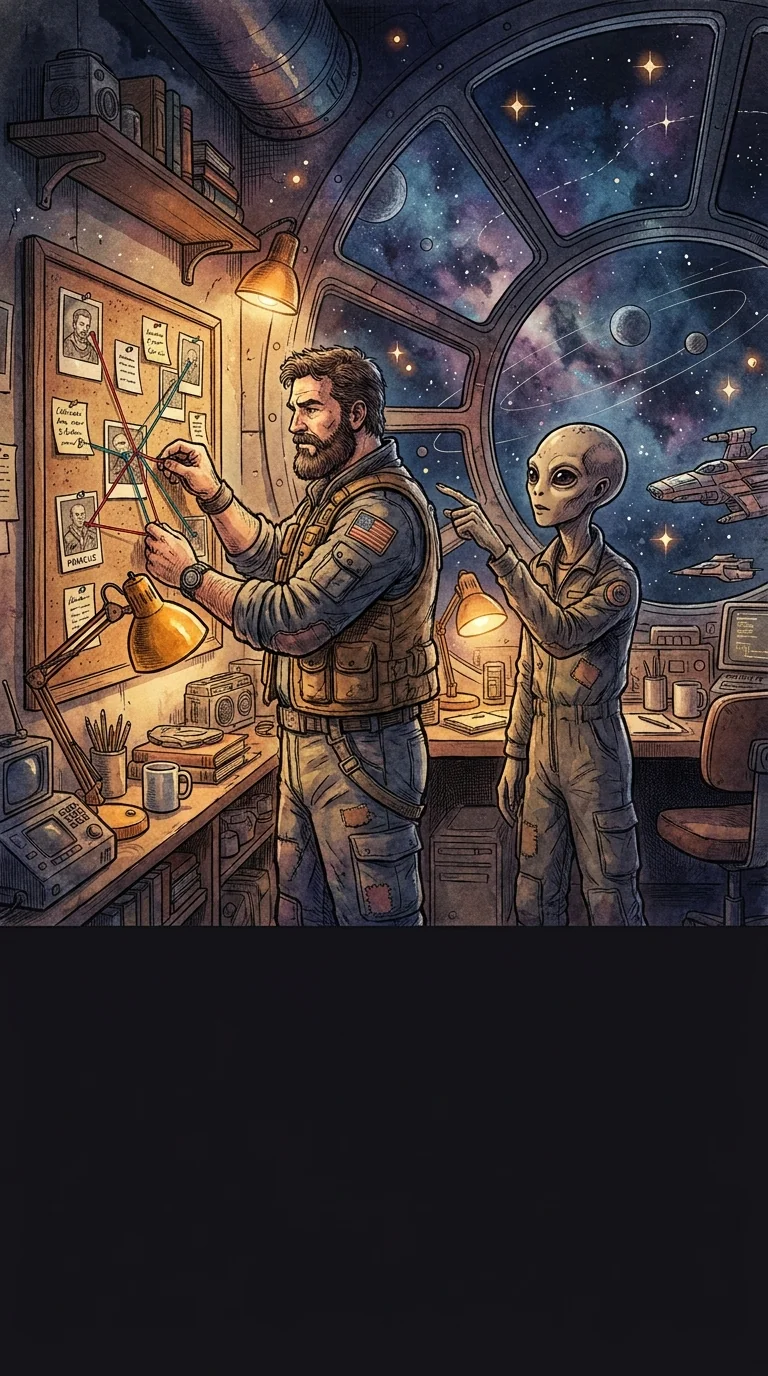
Marcus ran the Thread Map for two weeks. Most days, the overlap was small — he'd helped a new coworker troubleshoot a problem and lost track of time doing it. Week three, he volunteered to run the onboarding program. Nobody handed him a mission. He just noticed where his threads kept pointing.
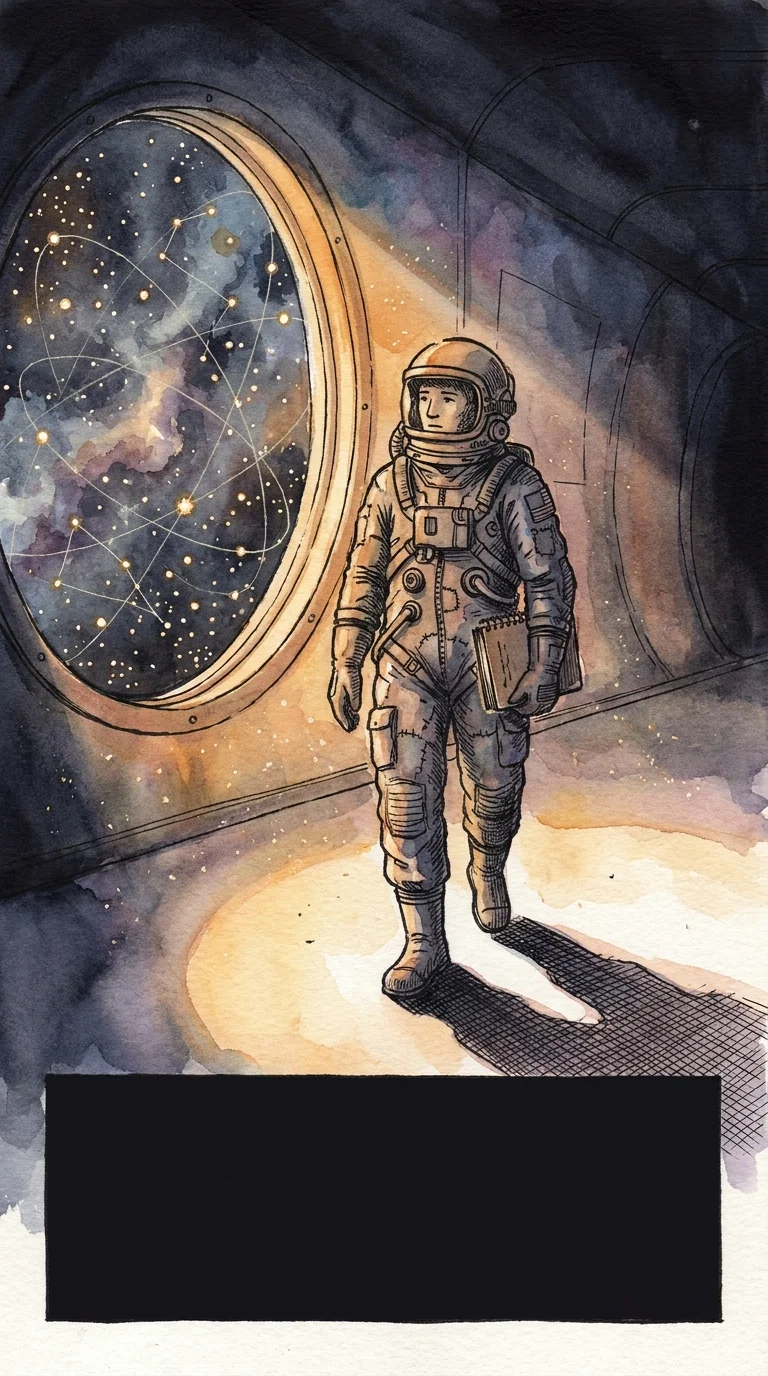
You don't need a grand revelation. You need a notebook, three honest questions, and a few weeks of paying attention. The map is already forming — you just haven't read it yet.