What Real Belonging Actually Feels Like
You've felt it before — maybe once, maybe twice. A conversation that was supposed to last ten minutes ran two hours, and when it ended you thought: oh, that's the thing everyone's looking for.
Part 1: What Real Belonging Actually Feels Like — Concept
+5 XP on completion

You've felt it before — maybe once, maybe twice. A conversation that was supposed to last ten minutes ran two hours, and when it ended you thought: oh, that's the thing everyone's looking for.

We spend a lot of energy performing belonging — laughing at the right moment, agreeing with the right opinion, curating the version of ourselves most likely to be tolerated. That's not belonging. That's an audition that never ends.
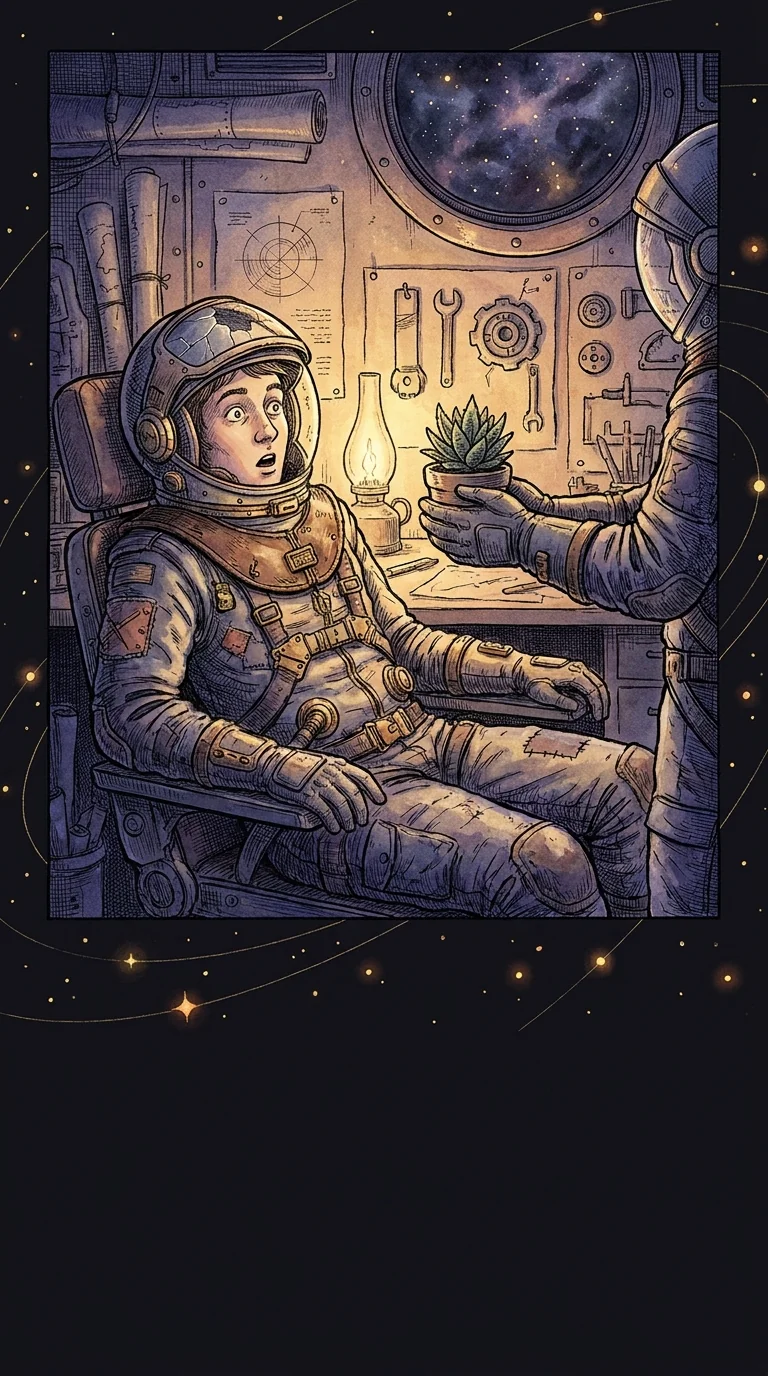
Real belonging has a quiet signal: you stop monitoring yourself. You forget to perform. Someone remembers a small thing you said three weeks ago, and for a second your chest does something your brain can't quite name.
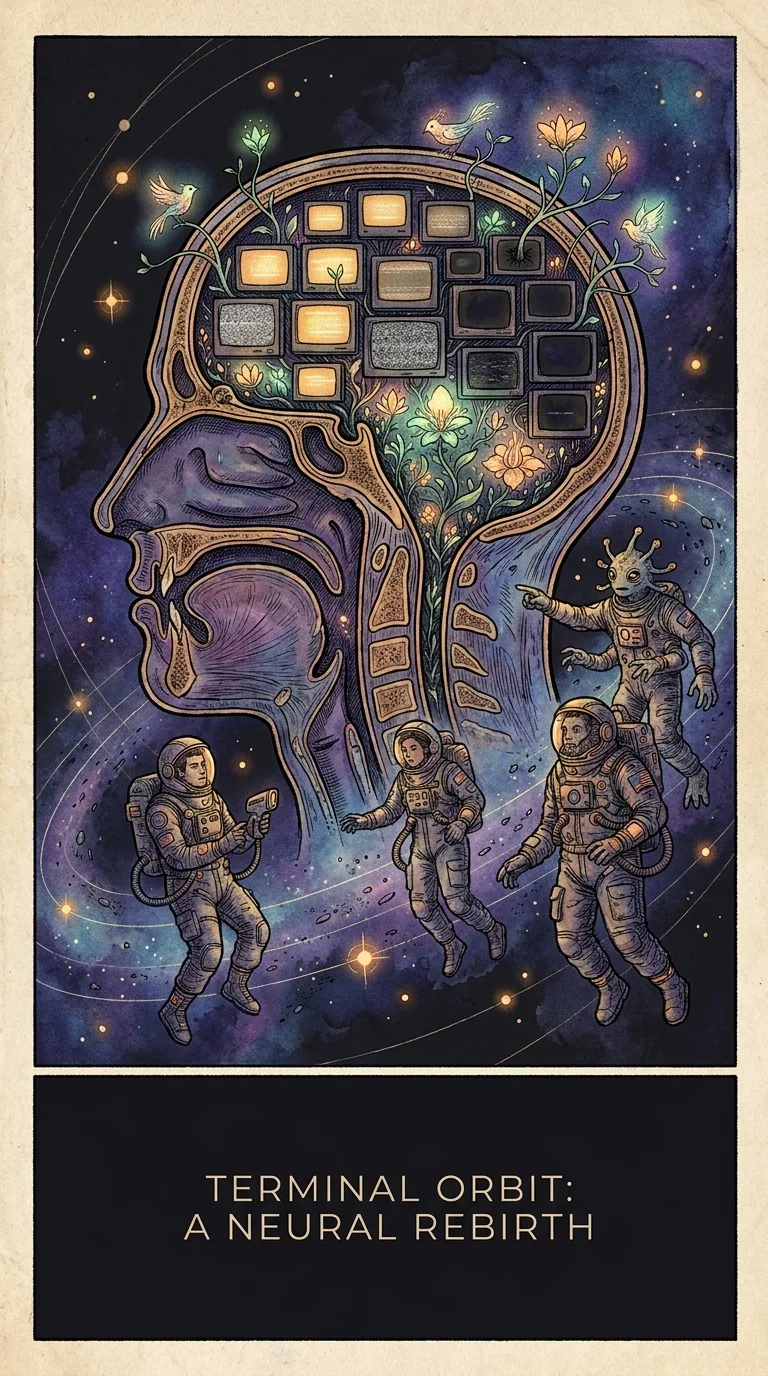
Researchers call it psychological safety — the absence of self-monitoring. Your brain literally stops running its background threat-detection loop. That frees up bandwidth you didn't know was occupied. Turns out you're funnier, kinder, and more interesting when you're not spending half your processing power on surveillance.
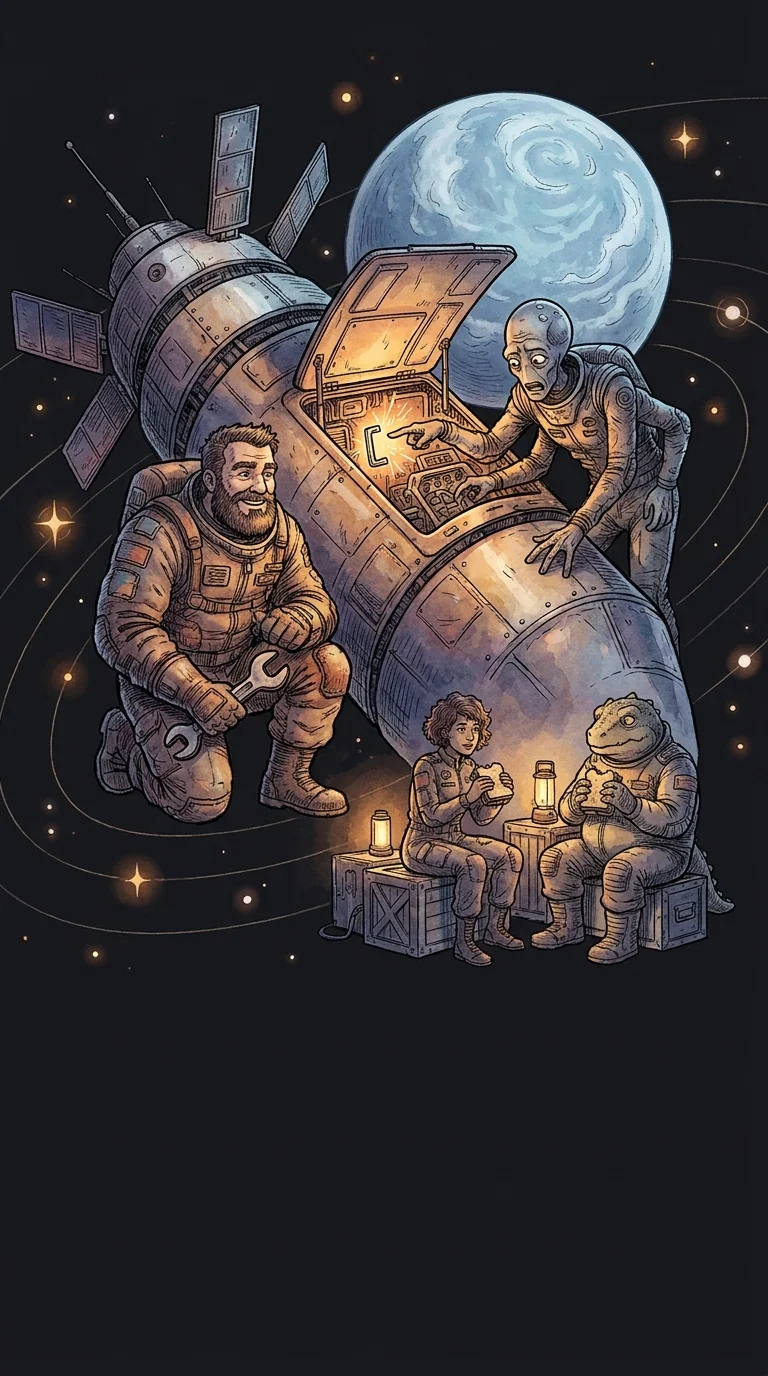
Marcus joined a weekend repair crew — people who fixed old navigation relays on decommissioned satellites. Nobody asked about his job or his politics. Someone just handed him a wrench and said, "Hold this while I swear at this bracket." Three months later he realized he hadn't rehearsed a single sentence before showing up.
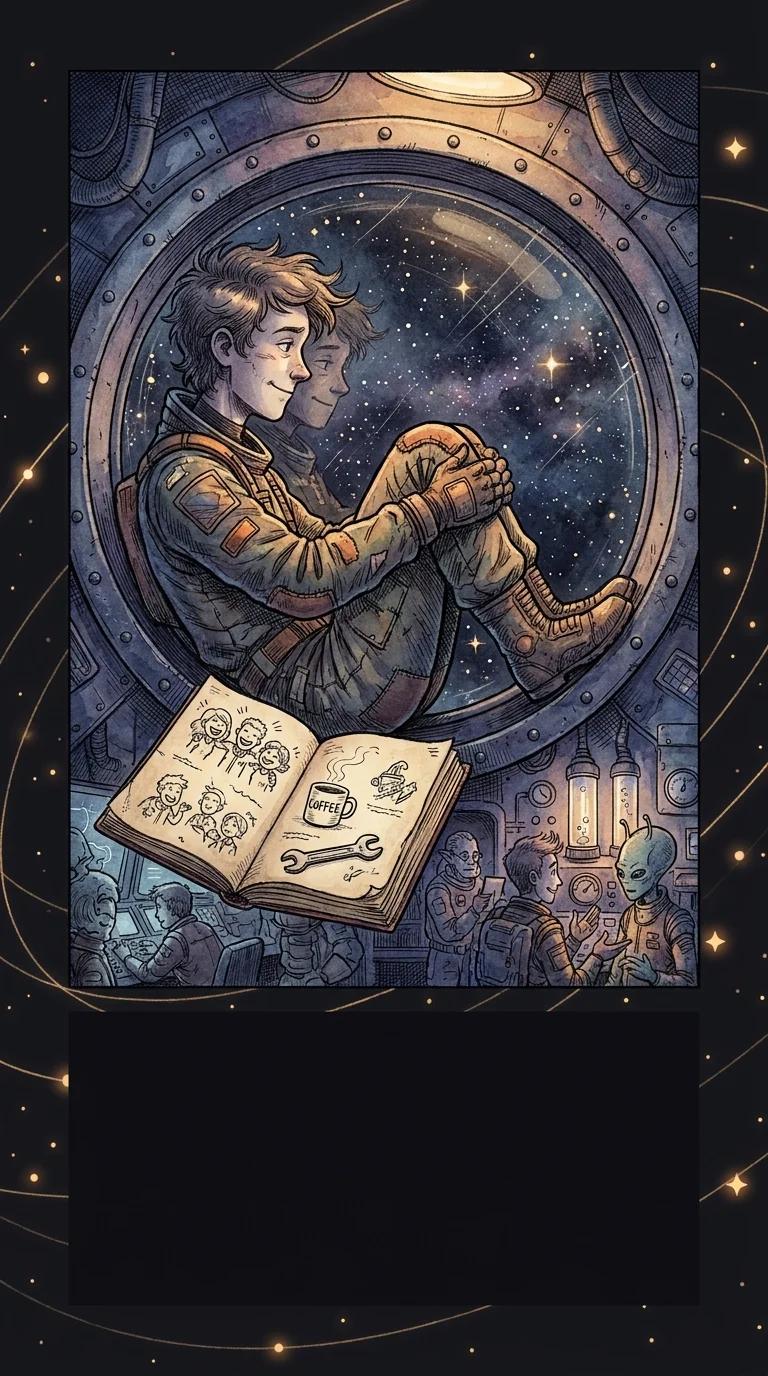
You already know what real belonging feels like — your body keeps the receipt even when your brain files it under "fluke." In Part 2, you'll practice identifying those moments in your own recent memory so you can stop treating them as accidents. See you there.
Part 2: What Real Belonging Actually Feels Like — Practice
+10 XP on completion
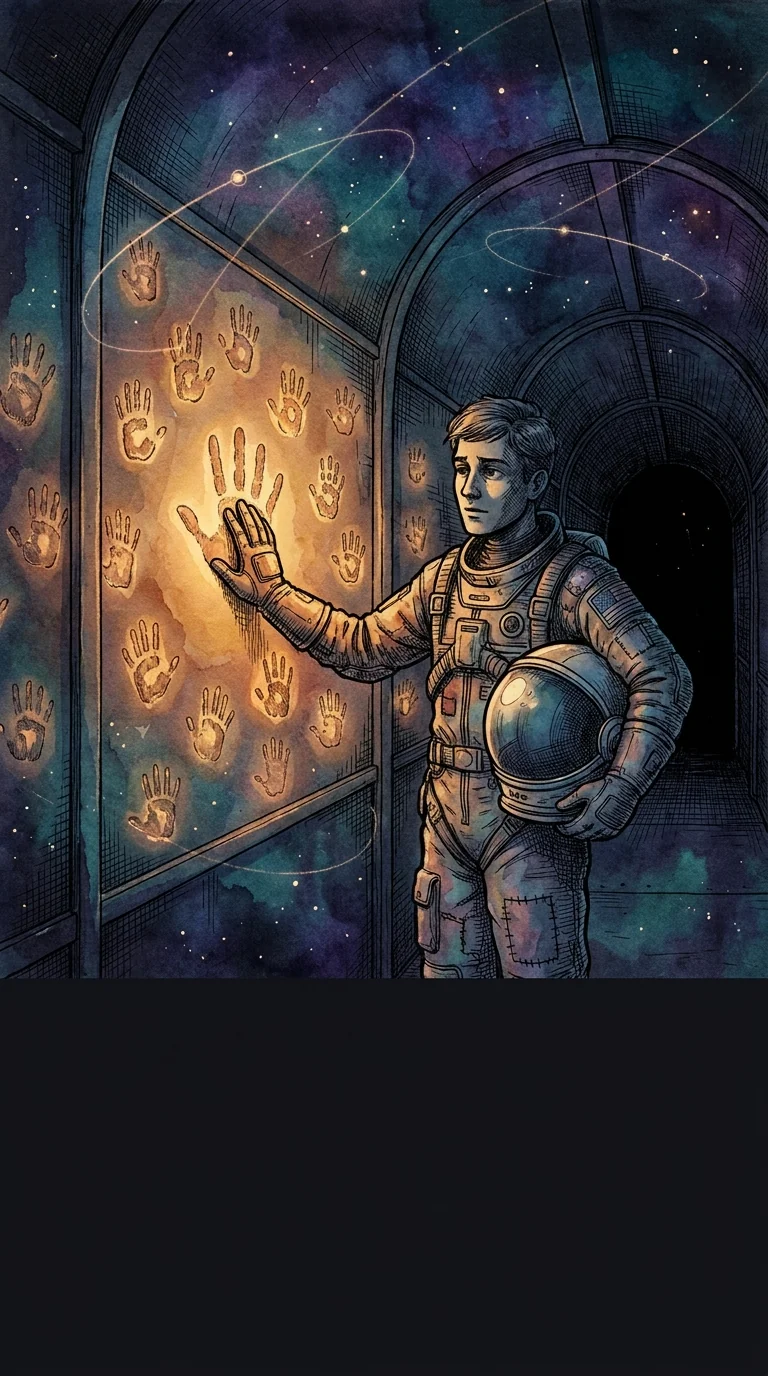
Real belonging leaves fingerprints — small, specific moments your brain filed away whether you asked it to or not. Today you're going to find those fingerprints on purpose.
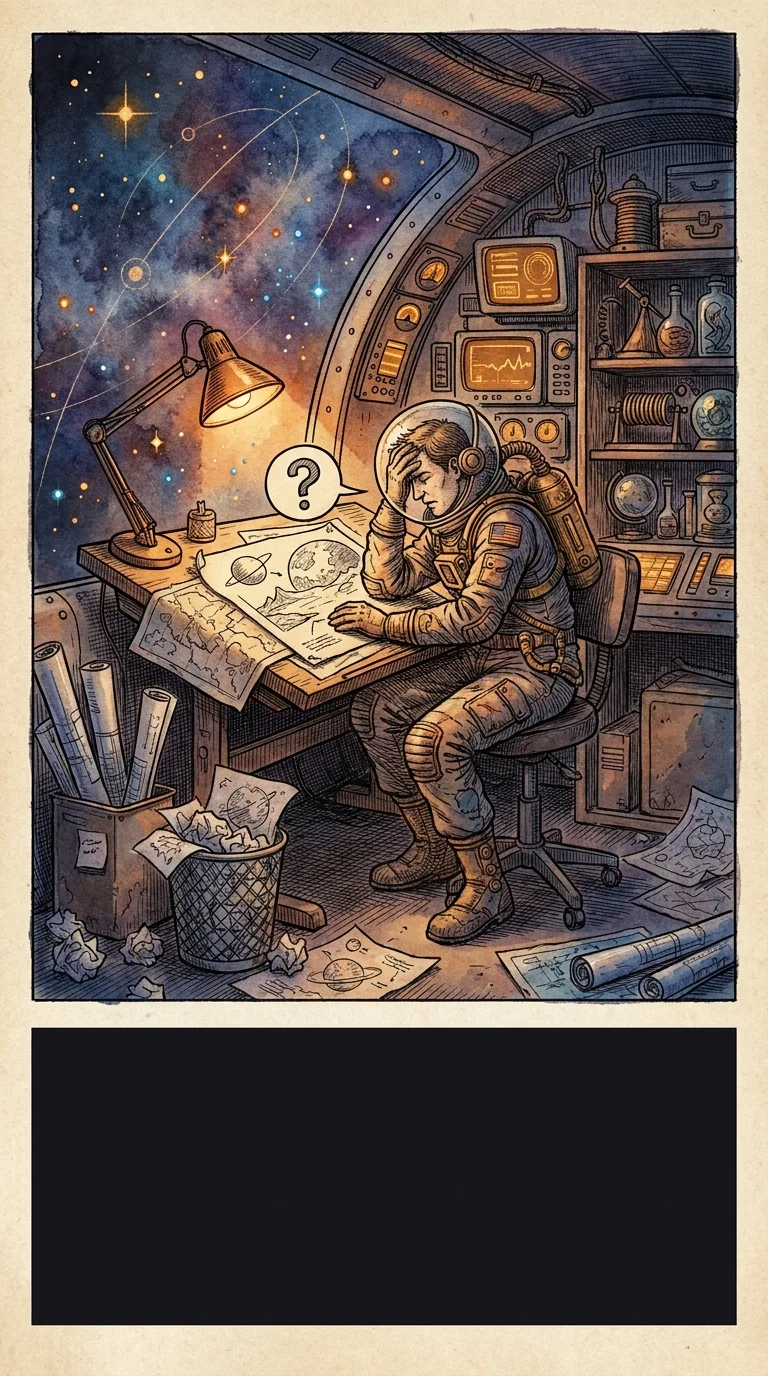
Most belonging exercises tell you to "visualize your ideal community." Which is like drawing a map of a planet you've never visited. Useless and a little sad.

Better approach: work backward from what already happened. The technique is called the Belonging Bookmark — you identify three real moments when you felt genuinely included, then ask what made each one work.
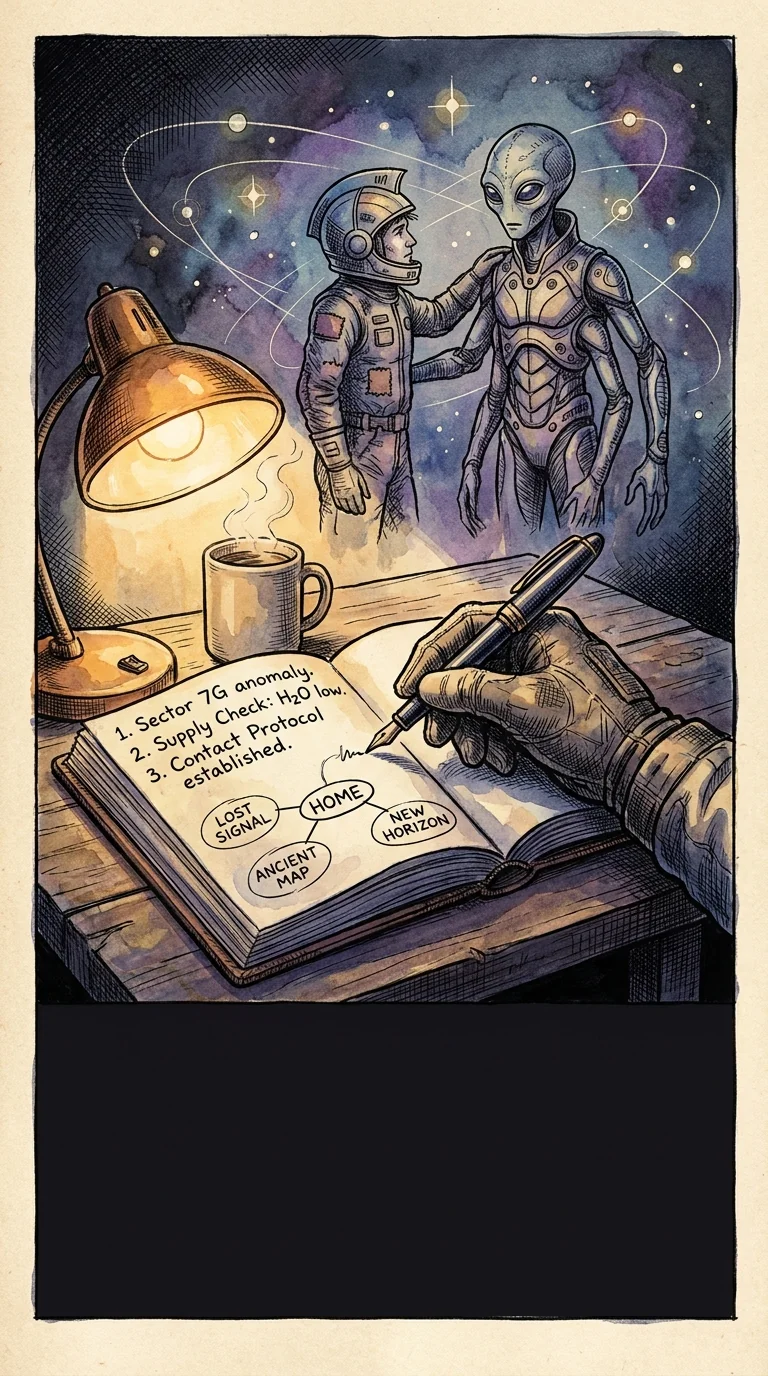
Here's how. Write down three times you felt like you belonged — big or small. For each one, finish this sentence: "I felt included because ___." Look for what repeats. That pattern is your belonging signature — the specific ingredient you actually need, not the one you think you should want.
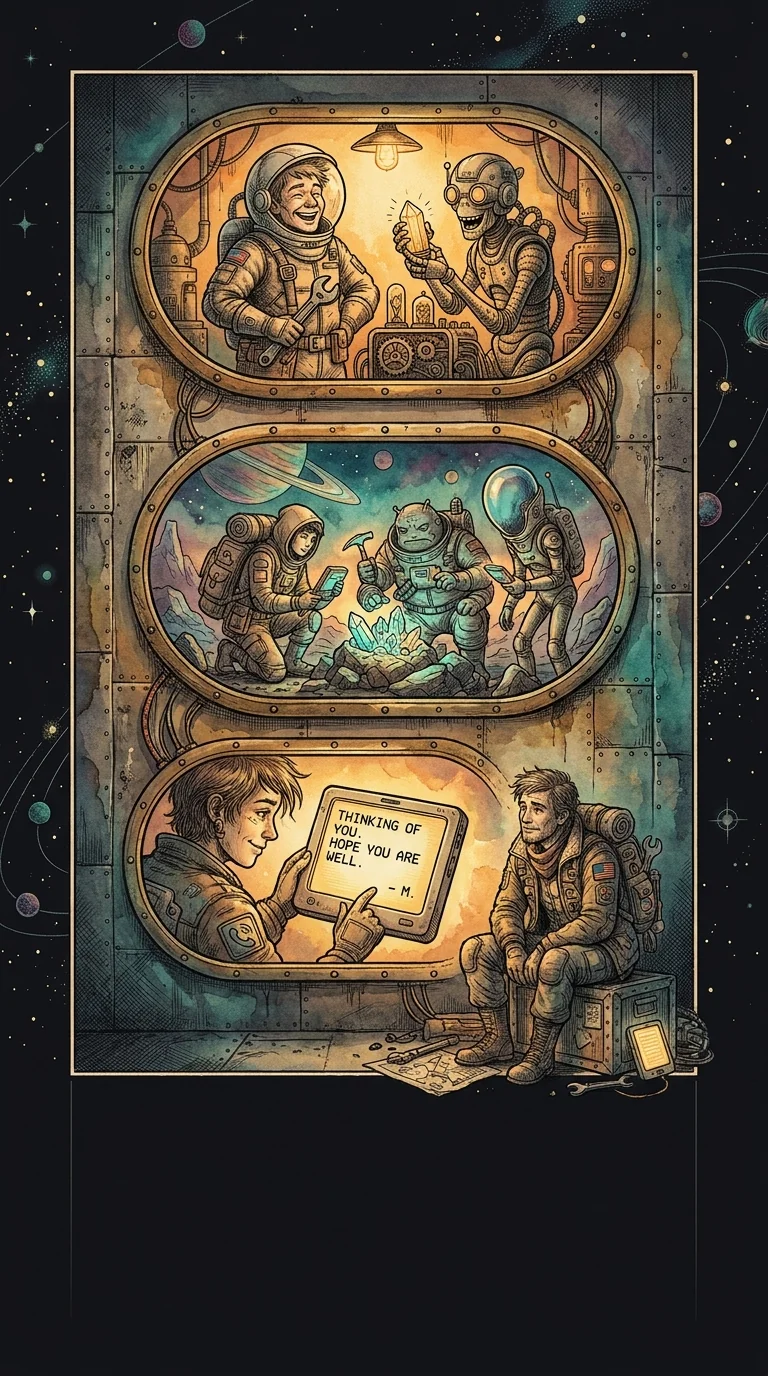
Alex tried it and wrote down a late-night repair shift where the crew sang badly, a geology club field trip in college, and a neighbor who texted to ask how the job interview went. The repeating thread: people who showed up without being asked. That was the signature — unsolicited care. Not shared interests, not status, not even frequency of contact.

Your belonging signature is already in your history. You don't have to invent what you need — you just have to stop overlooking the evidence. Write your three bookmarks today, find the thread, and tomorrow we'll talk about how to build from it.