When Hate Tries Again
Marcus had built something real — a crew, a rhythm, genuine belonging. Then one Thursday night, scrolling alone at 1 a.m., the old algorithm served him a rage-clip and his chest lit up like it recognized an ex.
Part 1: When Hate Tries Again — Concept
+5 XP on completion
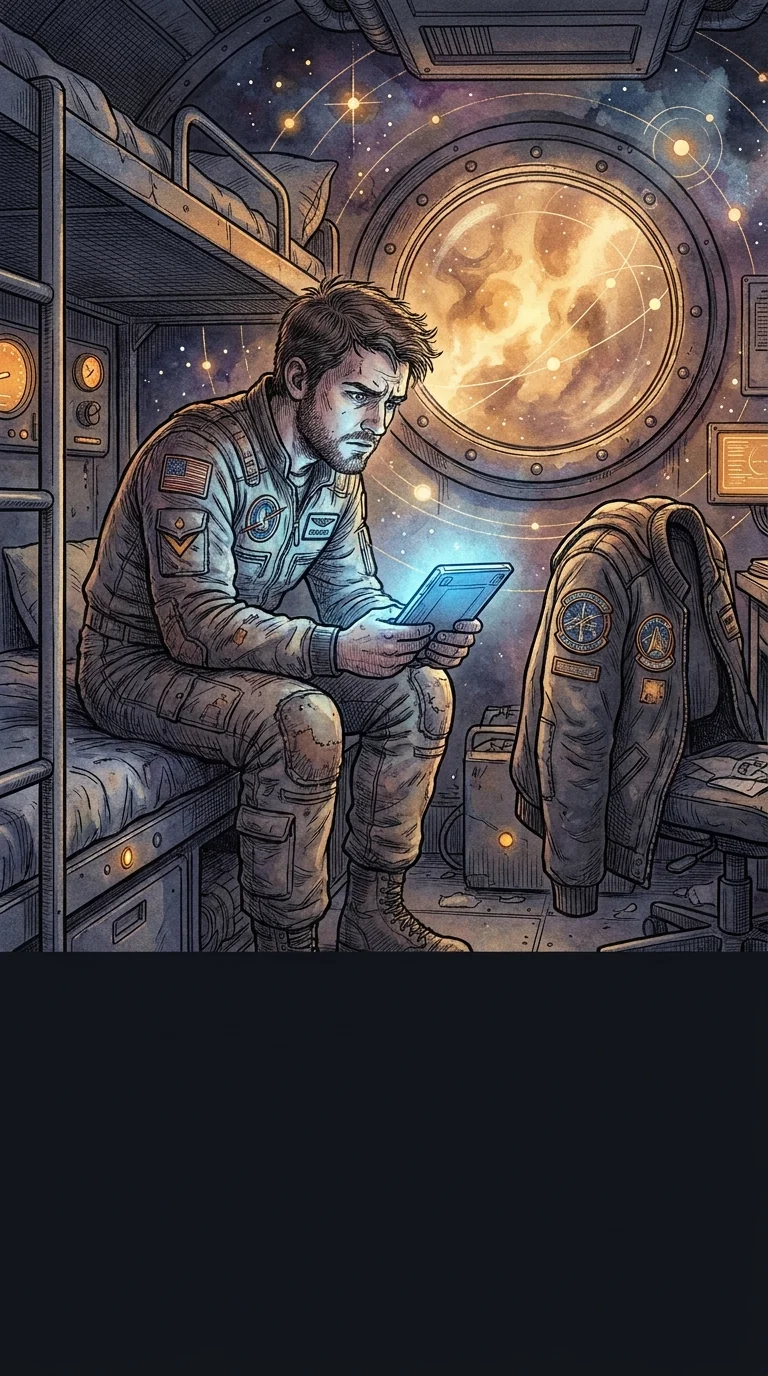
Marcus had built something real — a crew, a rhythm, genuine belonging. Then one Thursday night, scrolling alone at 1 a.m., the old algorithm served him a rage-clip and his chest lit up like it recognized an ex.
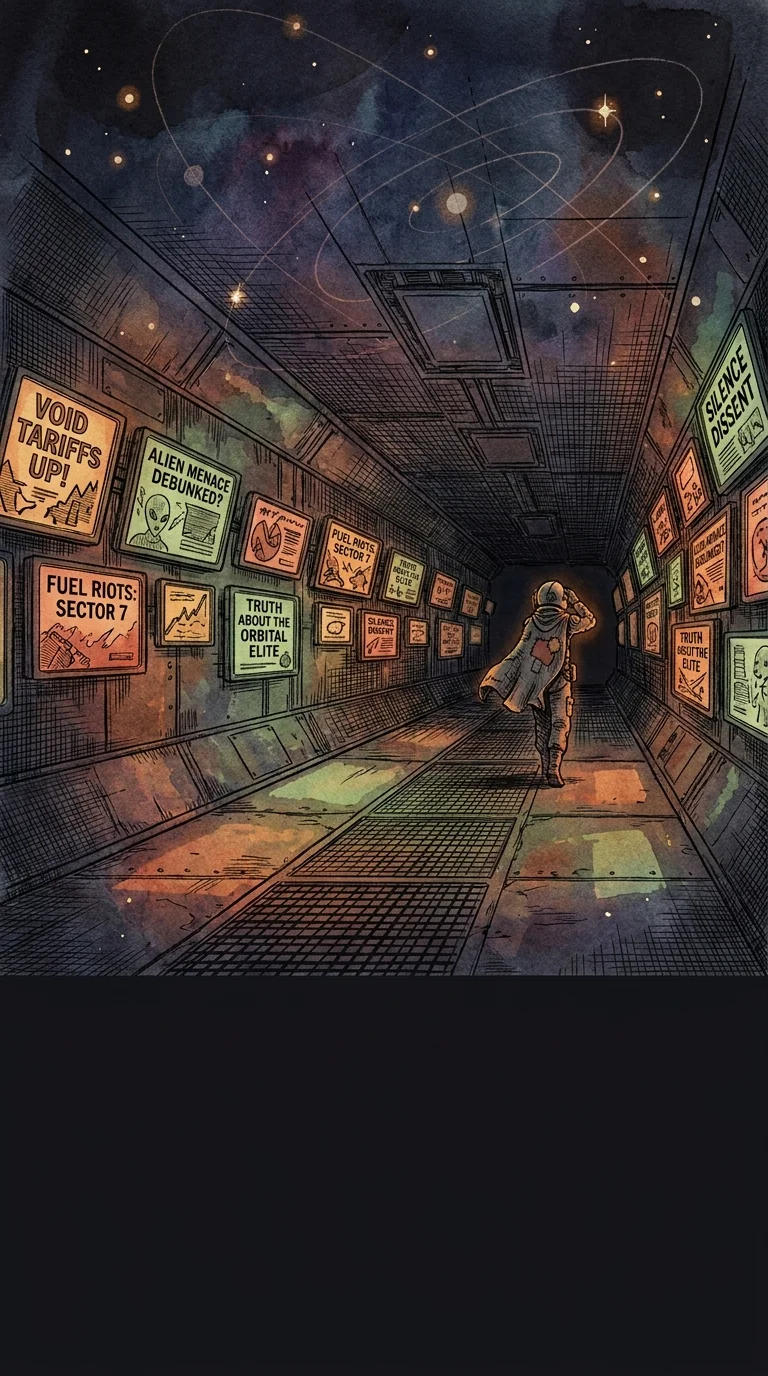
The recruitment machine doesn't retire just because you did. It's patient, automated, and it has your behavioral profile bookmarked. Every lonely Tuesday, every professional rejection, every 2 a.m. insomnia scroll — those are the windows it knocks on.
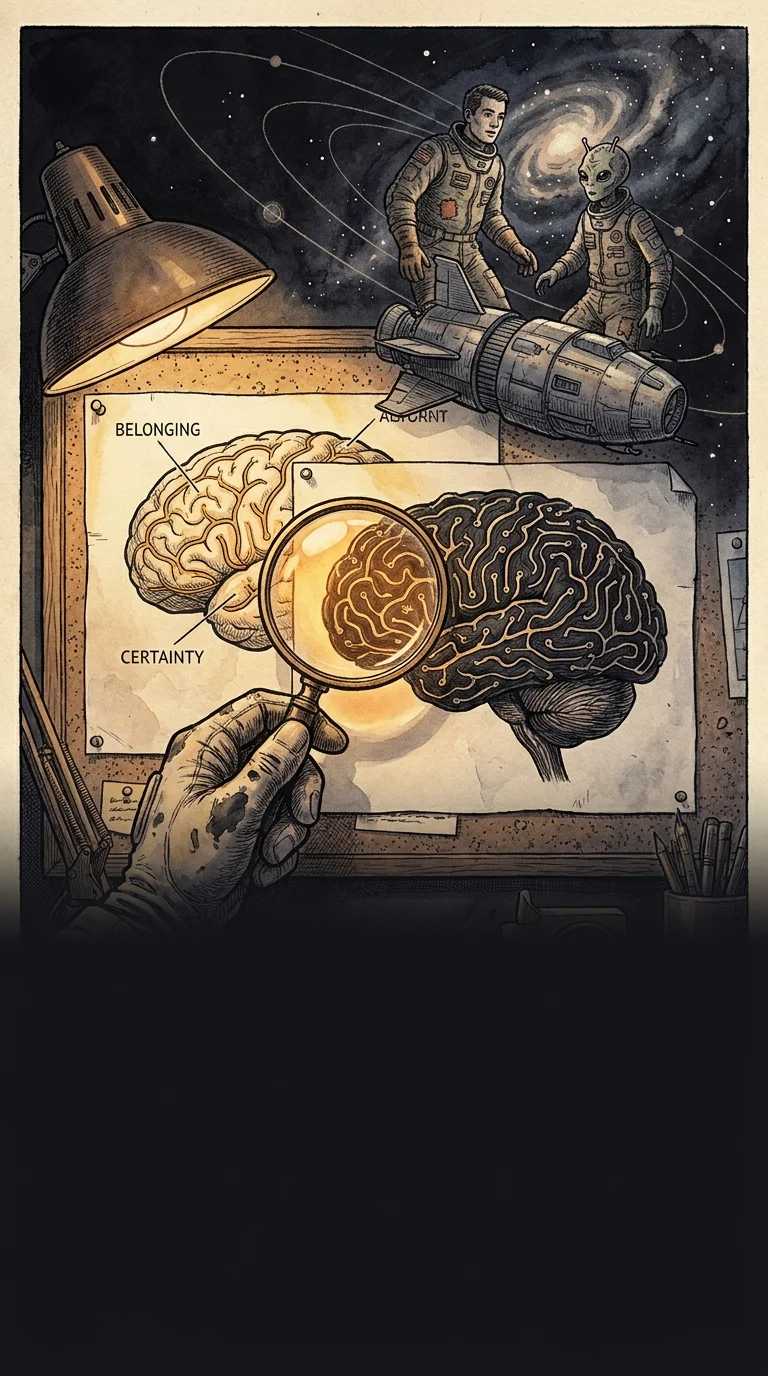
Feeling the pull again isn't a relapse. It's your nervous system doing exactly what nervous systems do — reaching for the fastest hit of certainty and belonging when the real versions feel far away. The machinery exploits a feature, not a flaw.
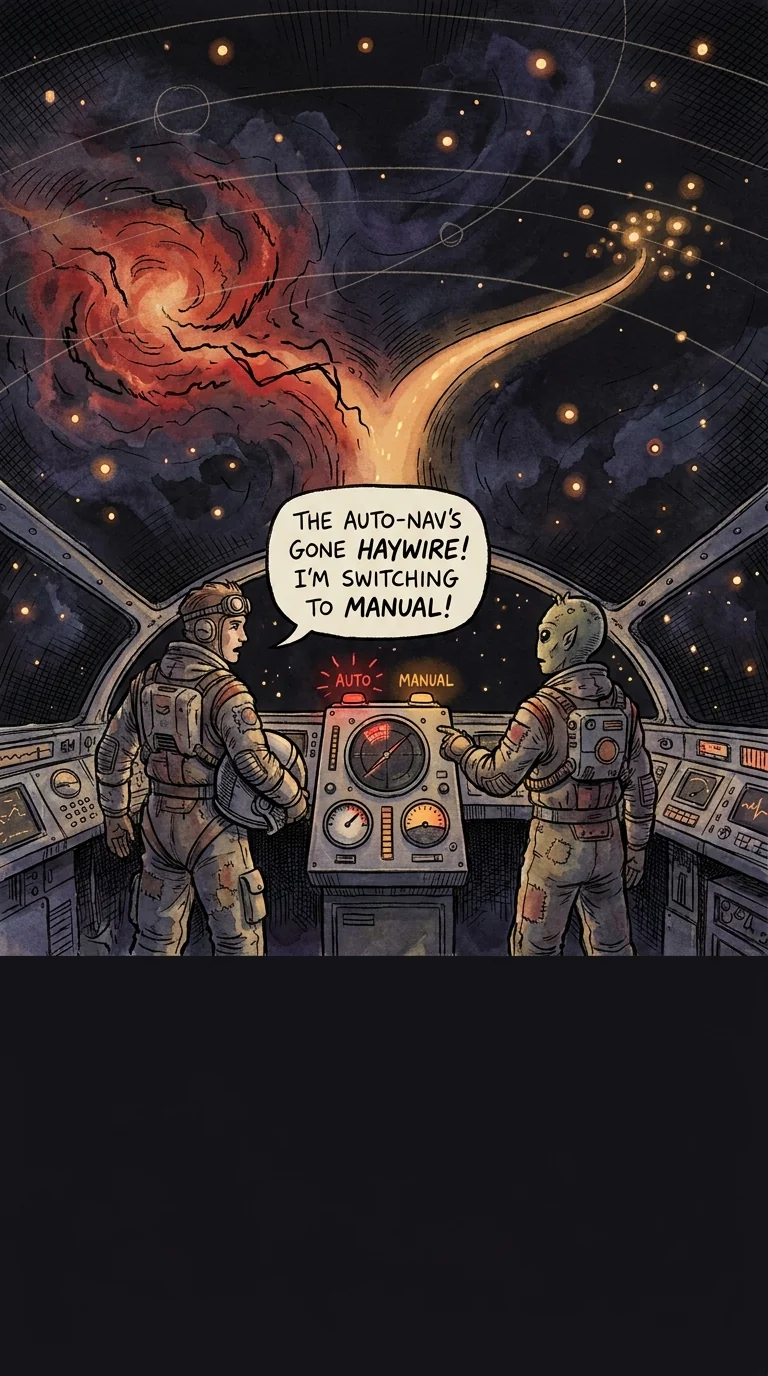
The technique is absurdly simple: name the trigger out loud. "I'm tired and lonely and this clip is engineered for exactly that." Naming the mechanism doesn't make the feeling vanish — it breaks the autopilot long enough for you to choose what happens next.
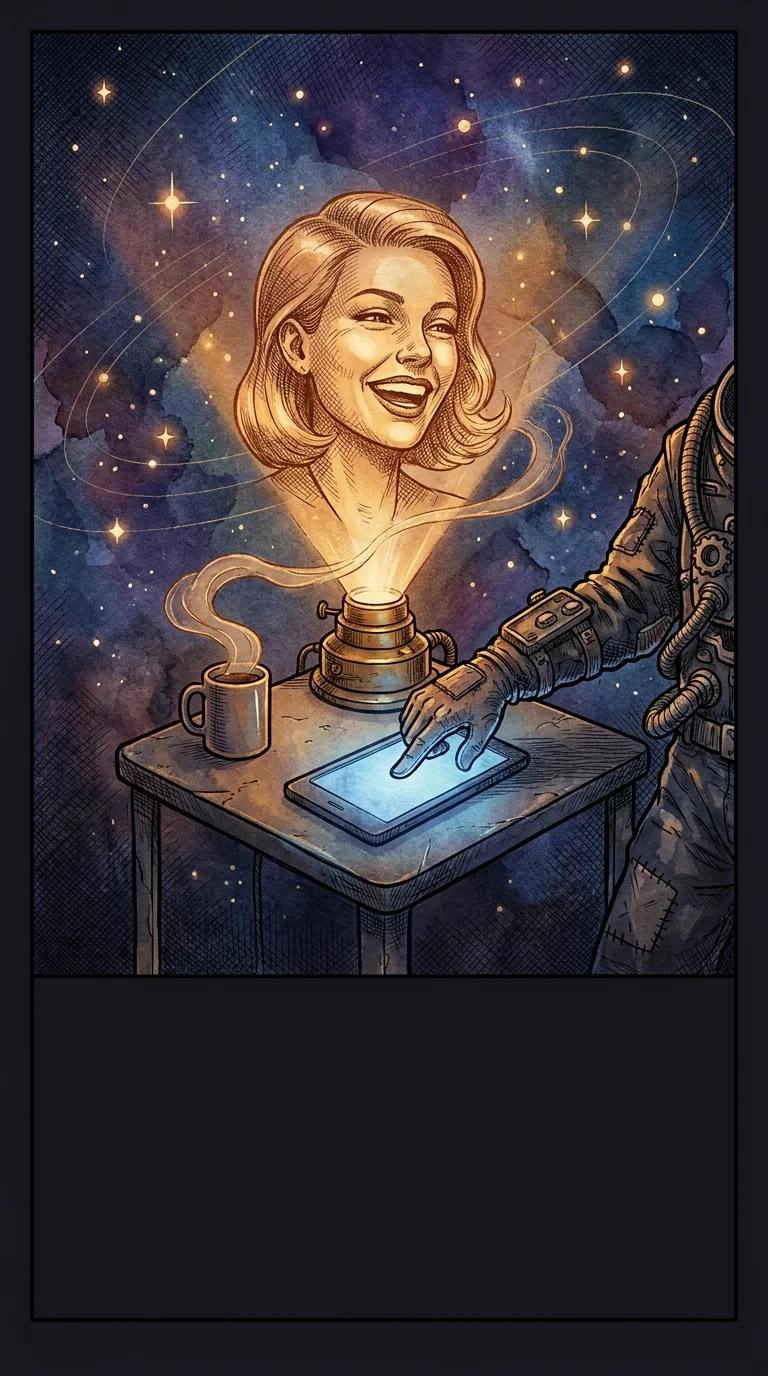
Marcus put the screen down. He texted Lisa — not about the clip, just "hey, you up?" She was. They talked about nothing for twenty minutes. The pull didn't disappear, but it got quieter — crowded out by something that was actually warm instead of just loud.
The old pull coming back doesn't undo what you've built. It just means the machinery is still running — and now you know how to hear it coming. In Part 2, you'll practice building a personal early-warning checklist for the moments when the algorithm comes knocking. See you there.
Part 2: When Hate Tries Again — Practice
+10 XP on completion
The old signal doesn't retire just because you built something better. Some Tuesday, tired and raw, you'll feel it hum again — and what you do in that moment is the whole game.
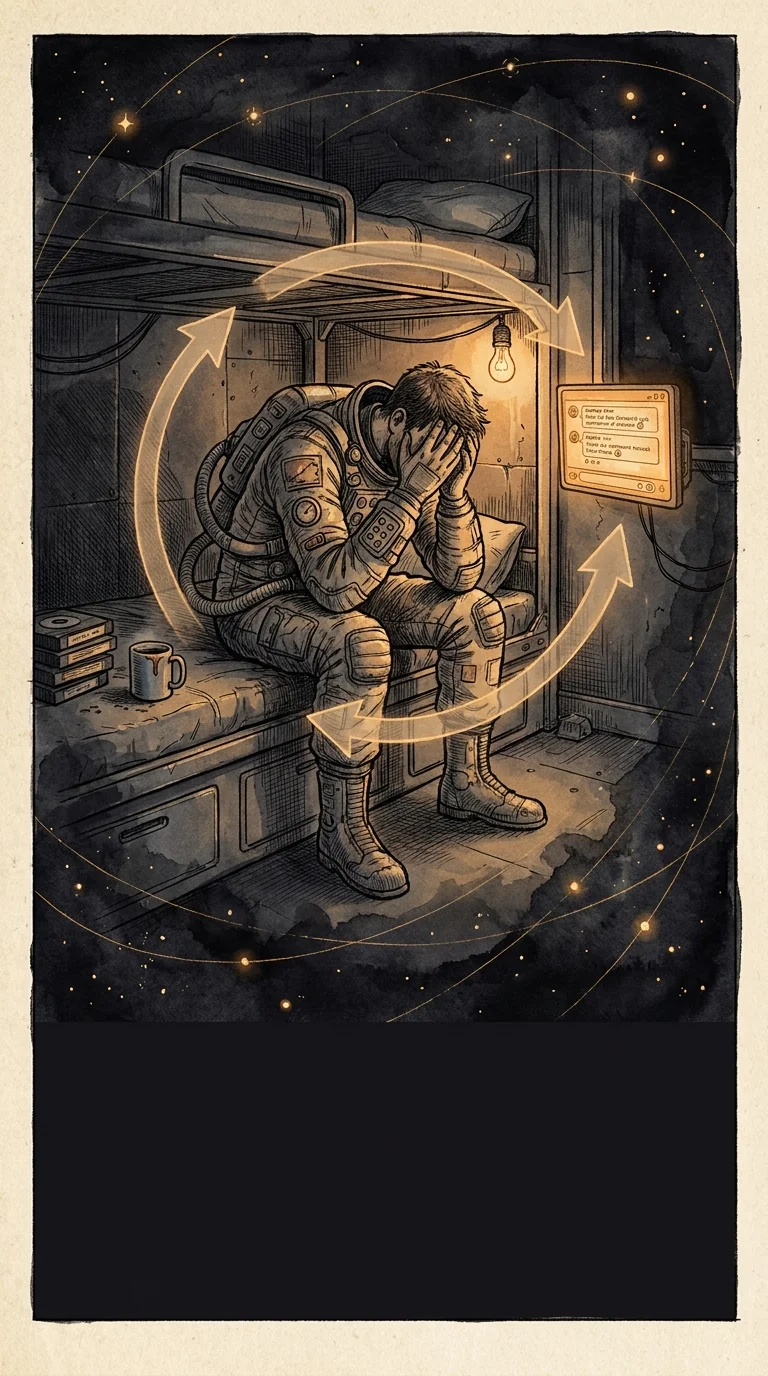
The mistake isn't feeling the pull. The mistake is treating it like proof that you haven't changed — and then panic-spiraling straight back to the frequency you left. Your brain loves a shortcut, especially when you're depleted.
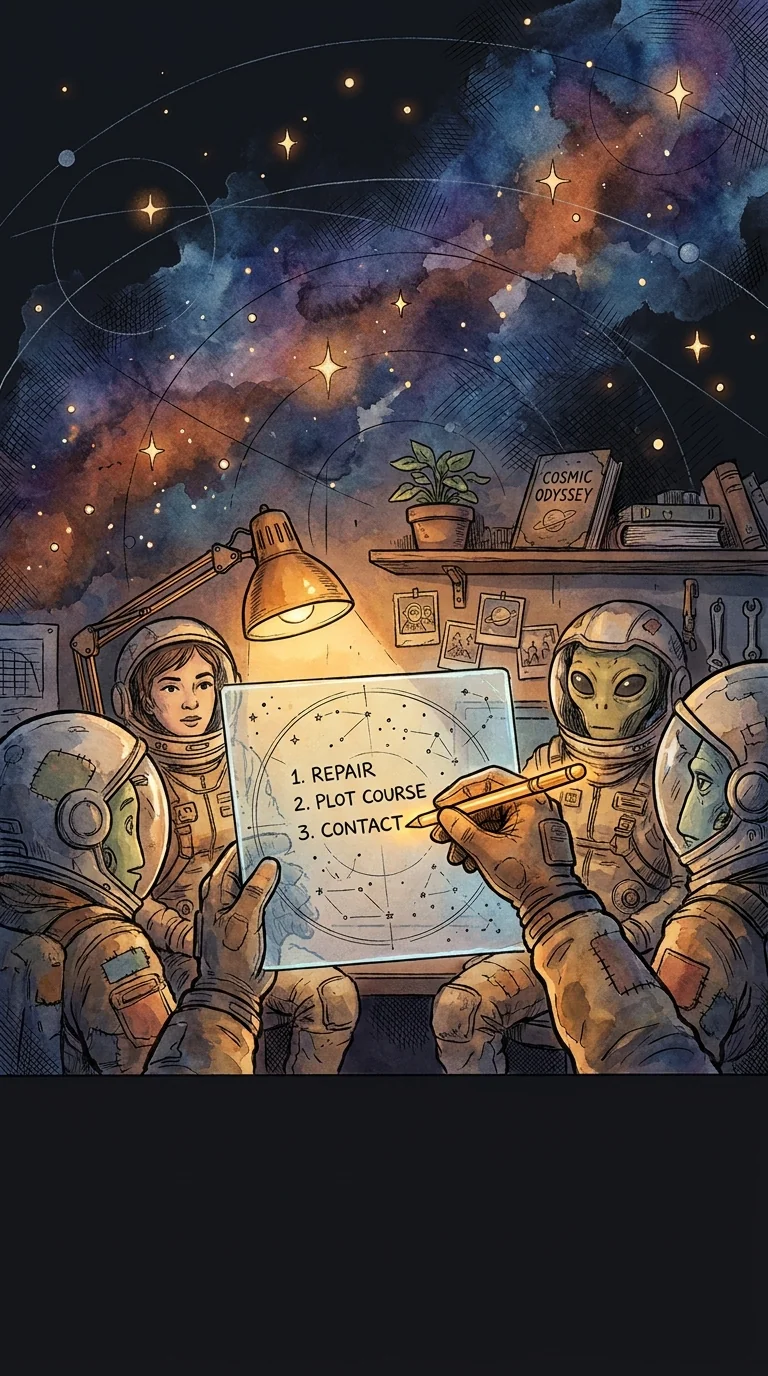
So you build a re-entry protocol — a set of steps you decide on now, when you're clear-headed, that future-you can follow when the pull hits. Think of it as a note you leave yourself for the hard days.
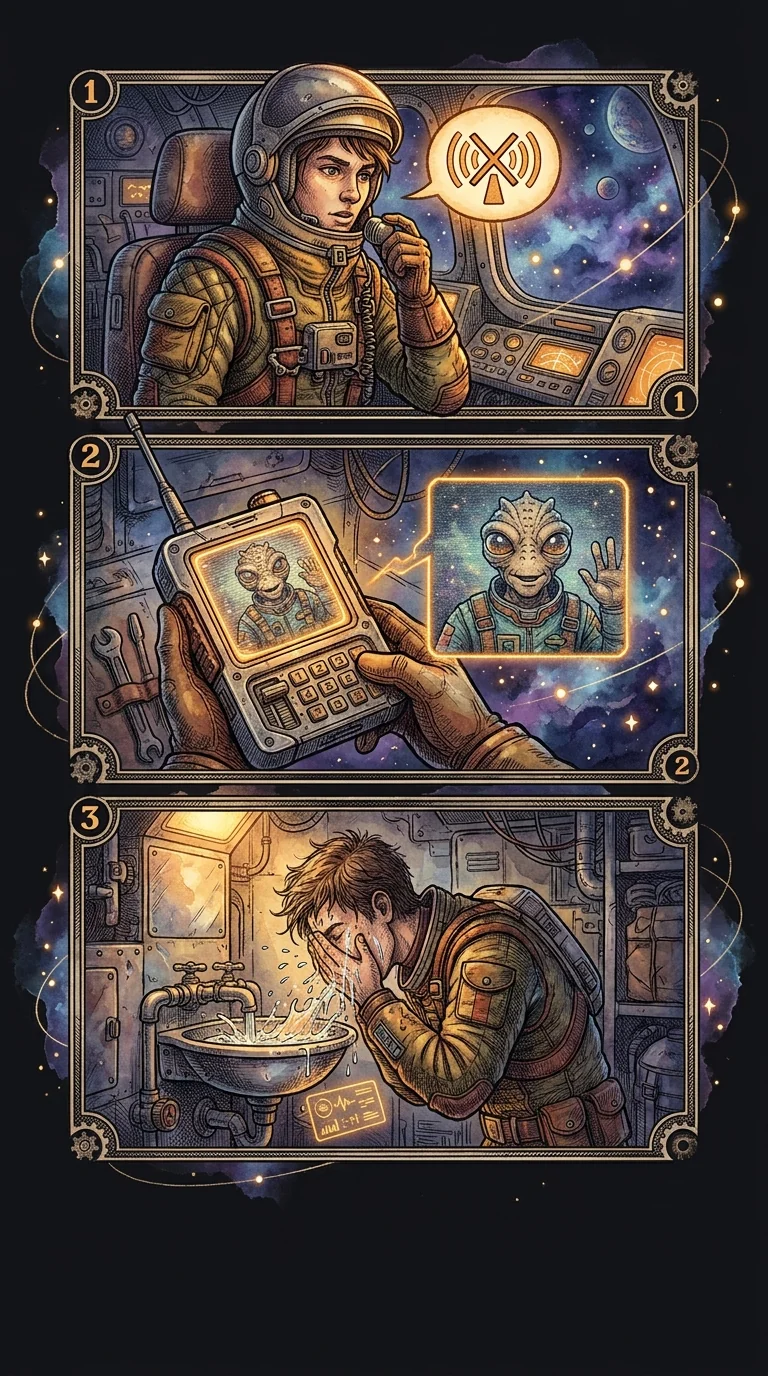
Three steps. First: Name it out loud — "That's the old signal." Second: Contact one real person from your actual crew within ten minutes. Third: Do one physical thing — walk, stretch, cold water on your face. The pull needs stillness and silence to work. Don't give it either.
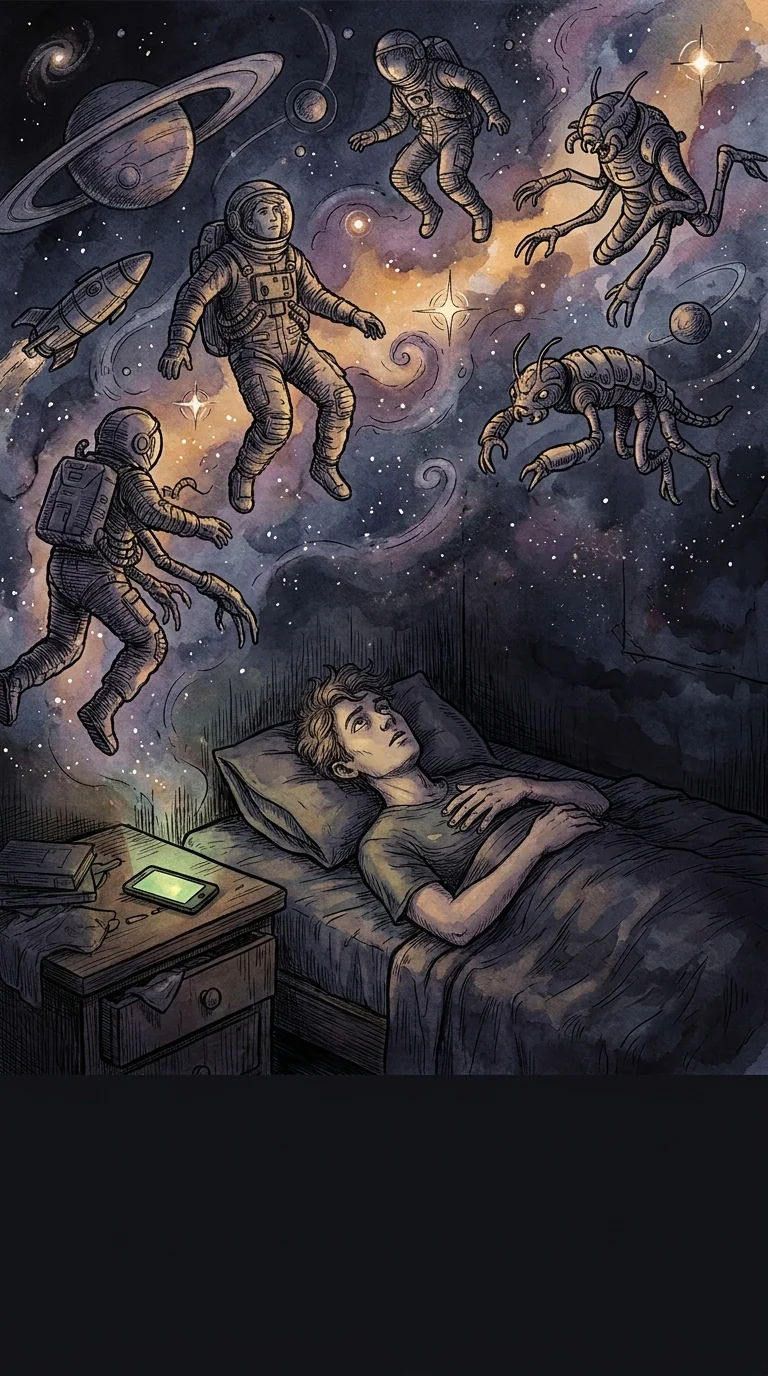
Marcus had been clear-headed for months when a bad week hit — job stress, a fight with a friend, three nights of poor sleep. He caught himself scrolling an old forum at 2 AM. He put the phone down, said "Old signal" to his dark ceiling, and texted Lisa: "Bad night. Just need to know someone's there." She wrote back in four minutes. That was enough.
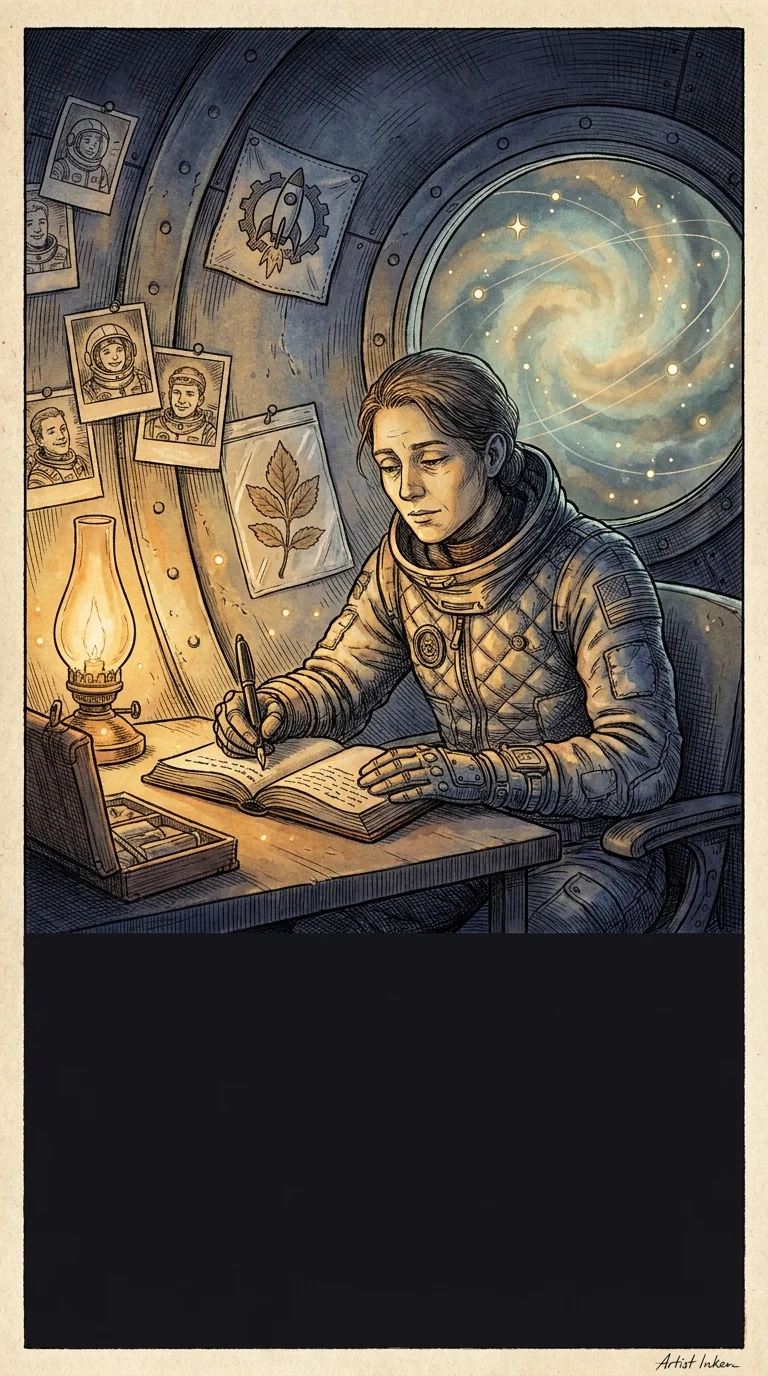
Write your protocol down tonight — the actual words, the actual person you'll contact, the actual physical thing you'll do. Not because you're fragile. Because you're building something that lasts, and lasting things deserve a maintenance manual.