The Ripple Effect
You held the door for someone at the station last Tuesday. You have no idea what happened next — and that's the whole point.
Part 1: The Ripple Effect — Concept
+5 XP on completion
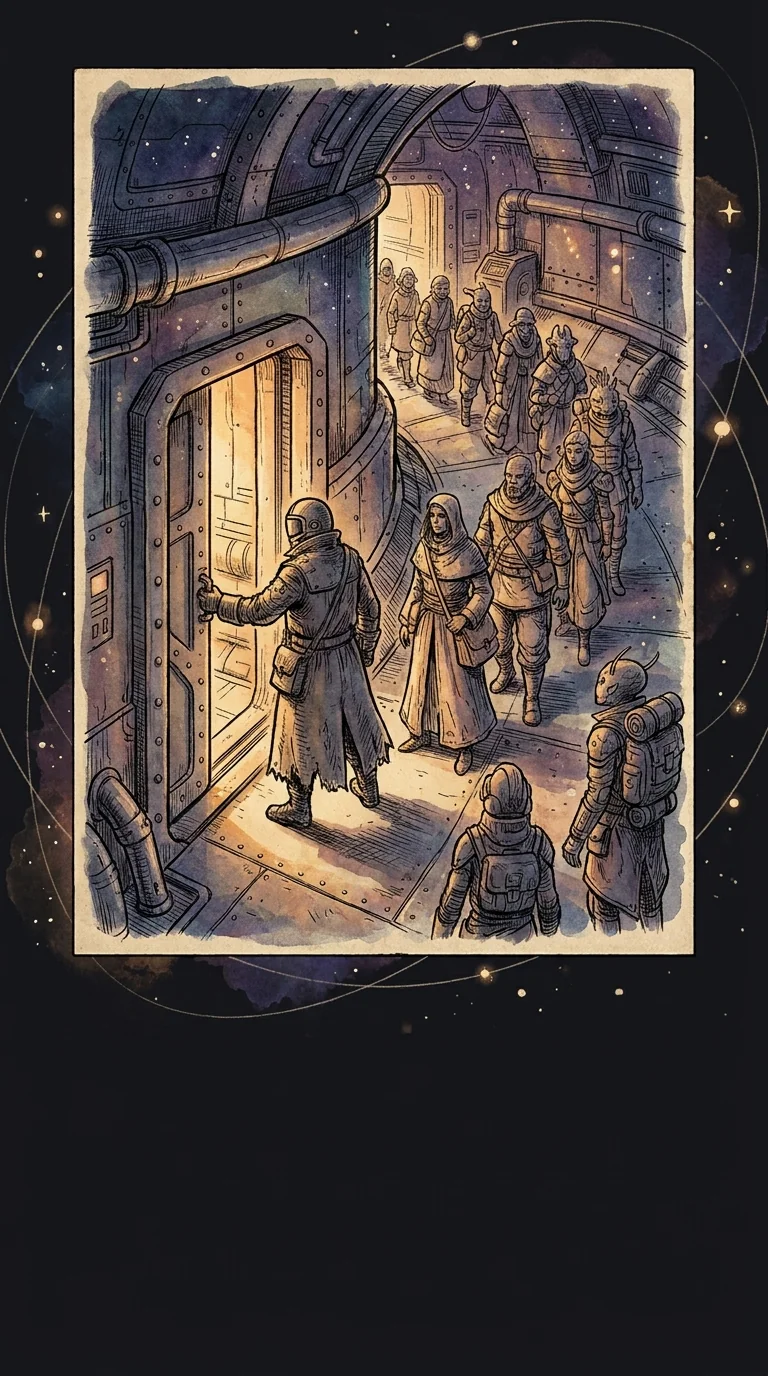
You held the door for someone at the station last Tuesday. You have no idea what happened next — and that's the whole point.
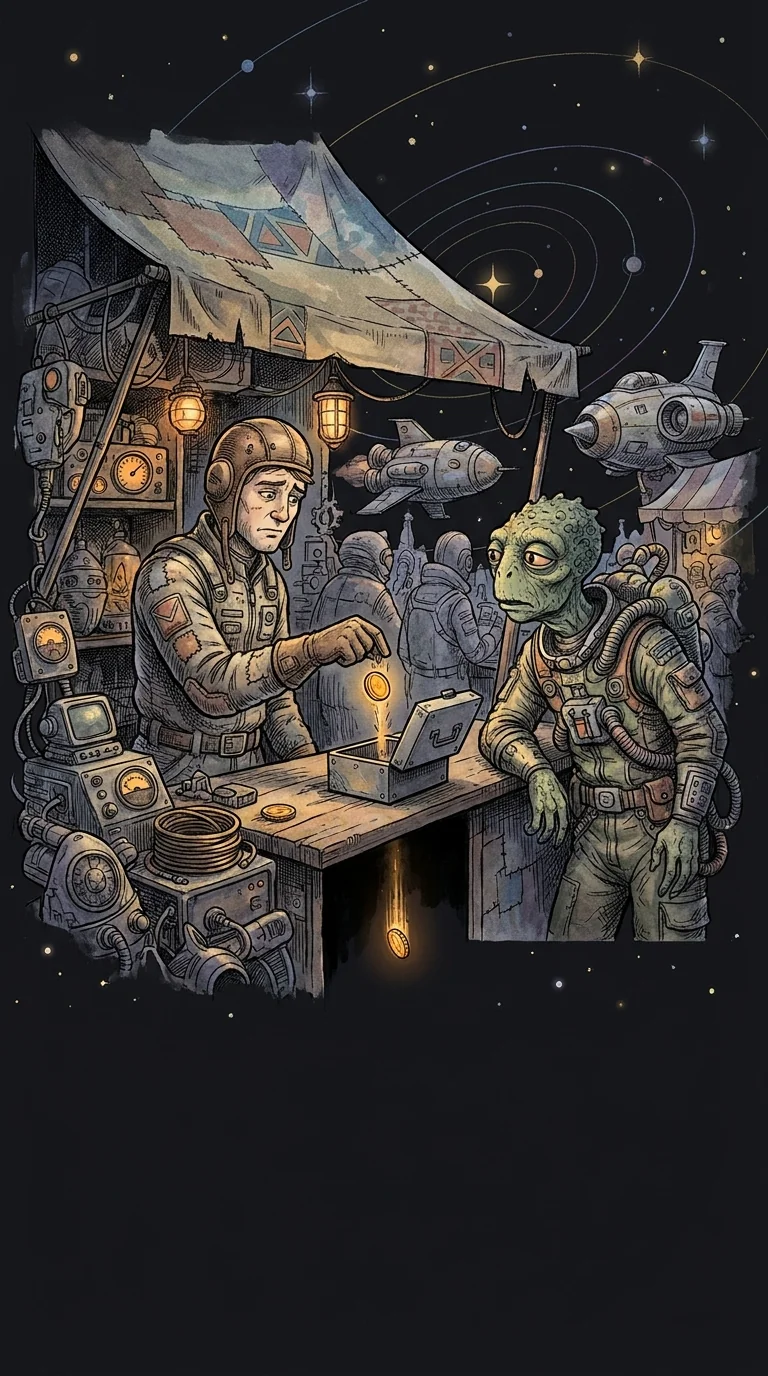
We measure kindness like a transaction: one giver, one receiver, done. So when the receipt doesn't come back, we assume the gesture evaporated.
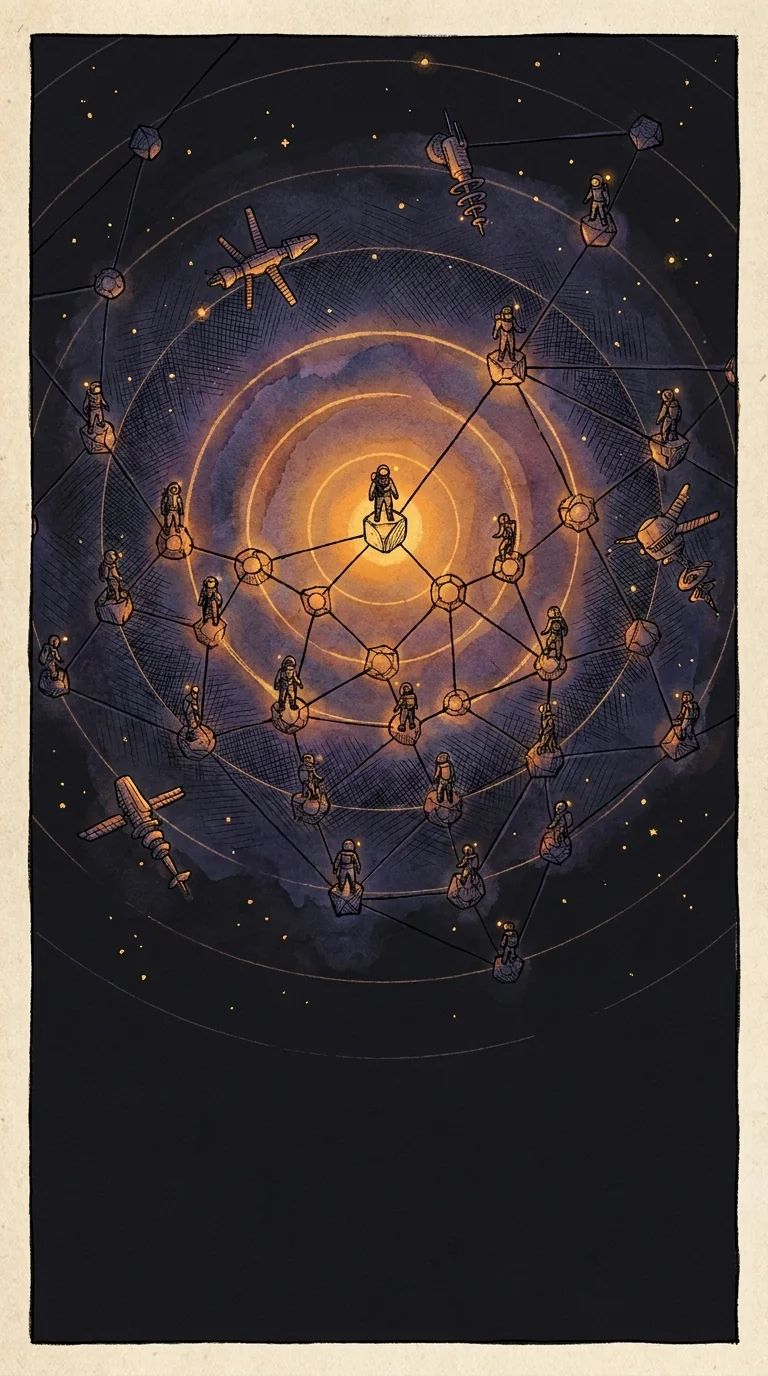
Network science says otherwise. When one person acts with consistent fairness, the behavior propagates up to three degrees out — to people they'll never meet. Your decency has a forwarding address you don't know about.
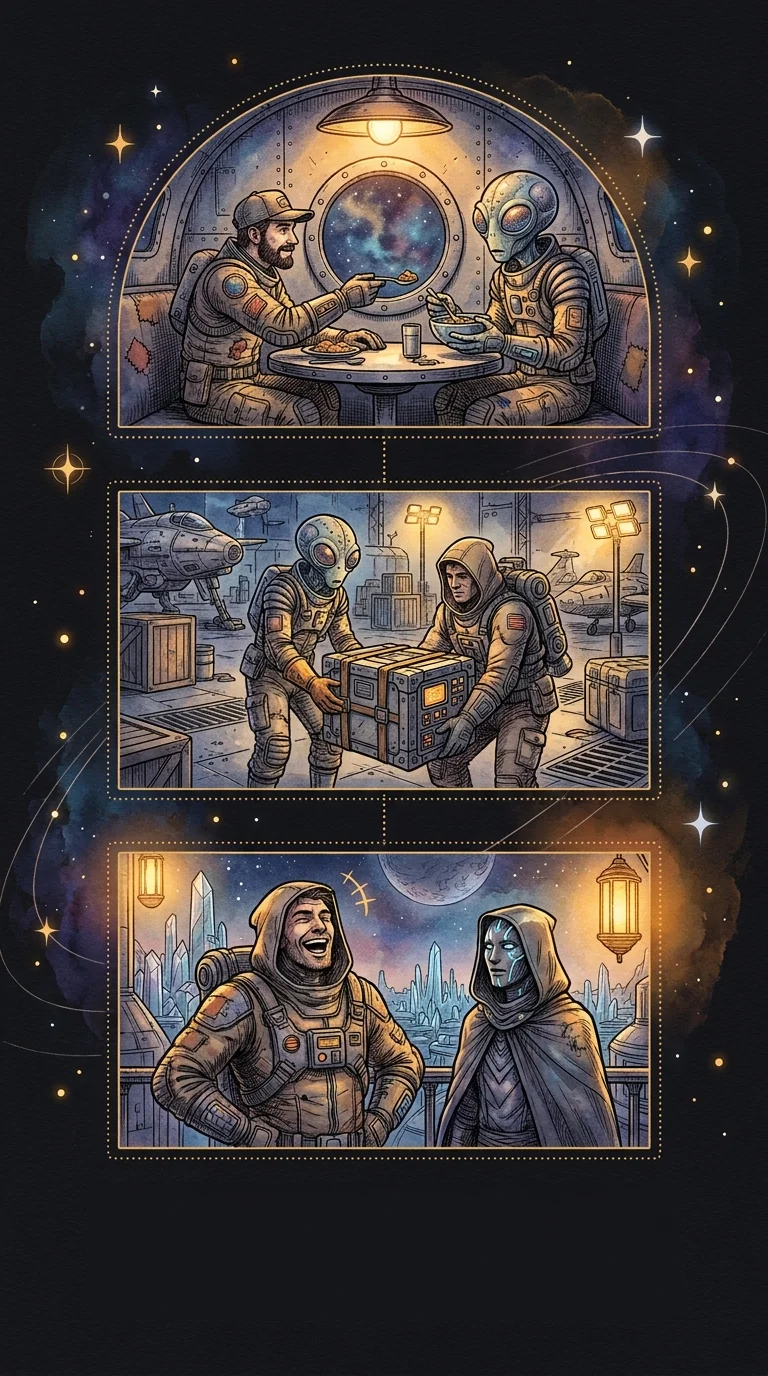
Here's the mechanism: generosity shifts the norms people carry into their next interaction. They don't copy you — they recalibrate what feels normal. And recalibrated people recalibrate others. It's contagion without a virus.
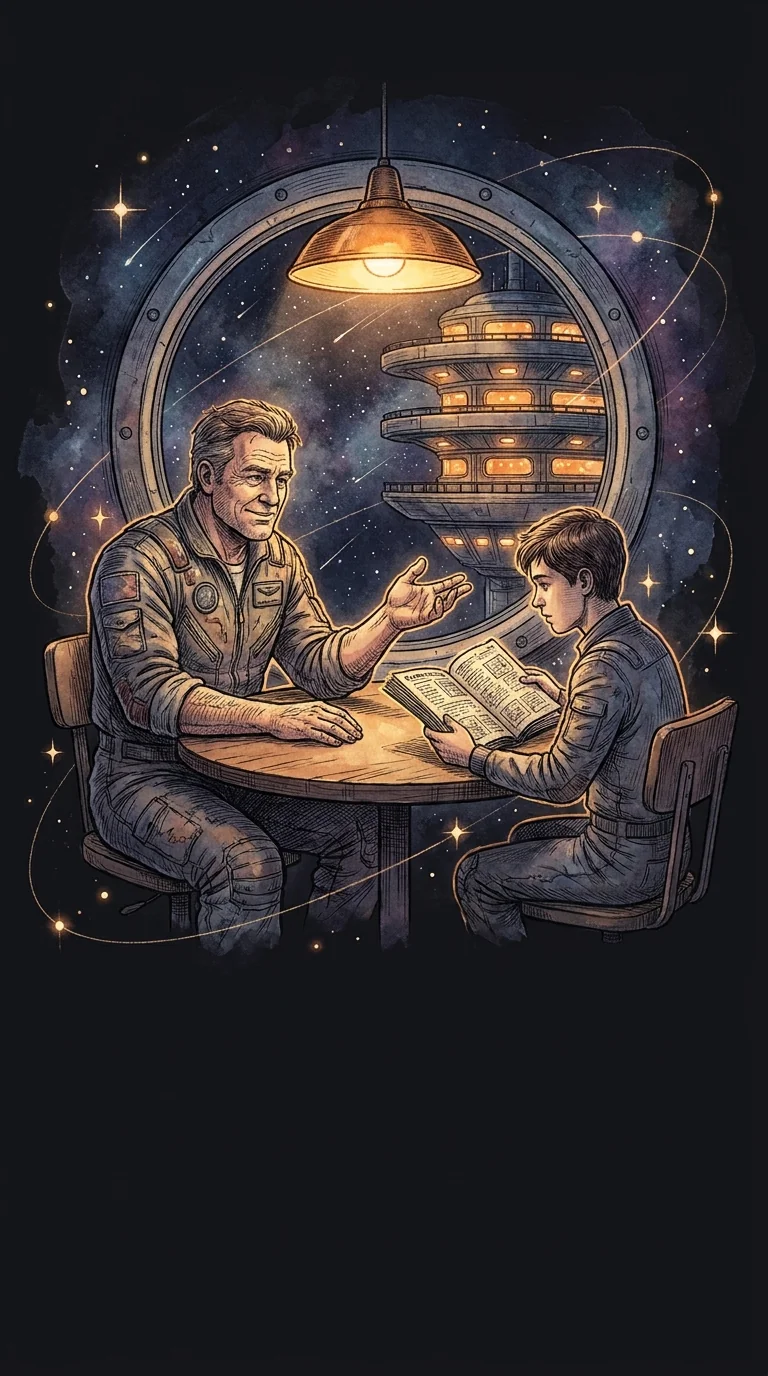
Marcus started small — he answered questions in the crew commons without sarcasm, even when the questions were painfully obvious. Months later, a mechanic three decks down told him the whole maintenance bay had gotten calmer. Marcus had never been to that deck.
You won't get a notification when your ripple lands three connections away. That's fine — it still lands. In Part 2, you'll practice mapping and strengthening the small, repeatable acts that carry the farthest. See you there.
Part 2: The Ripple Effect — Practice
+10 XP on completion
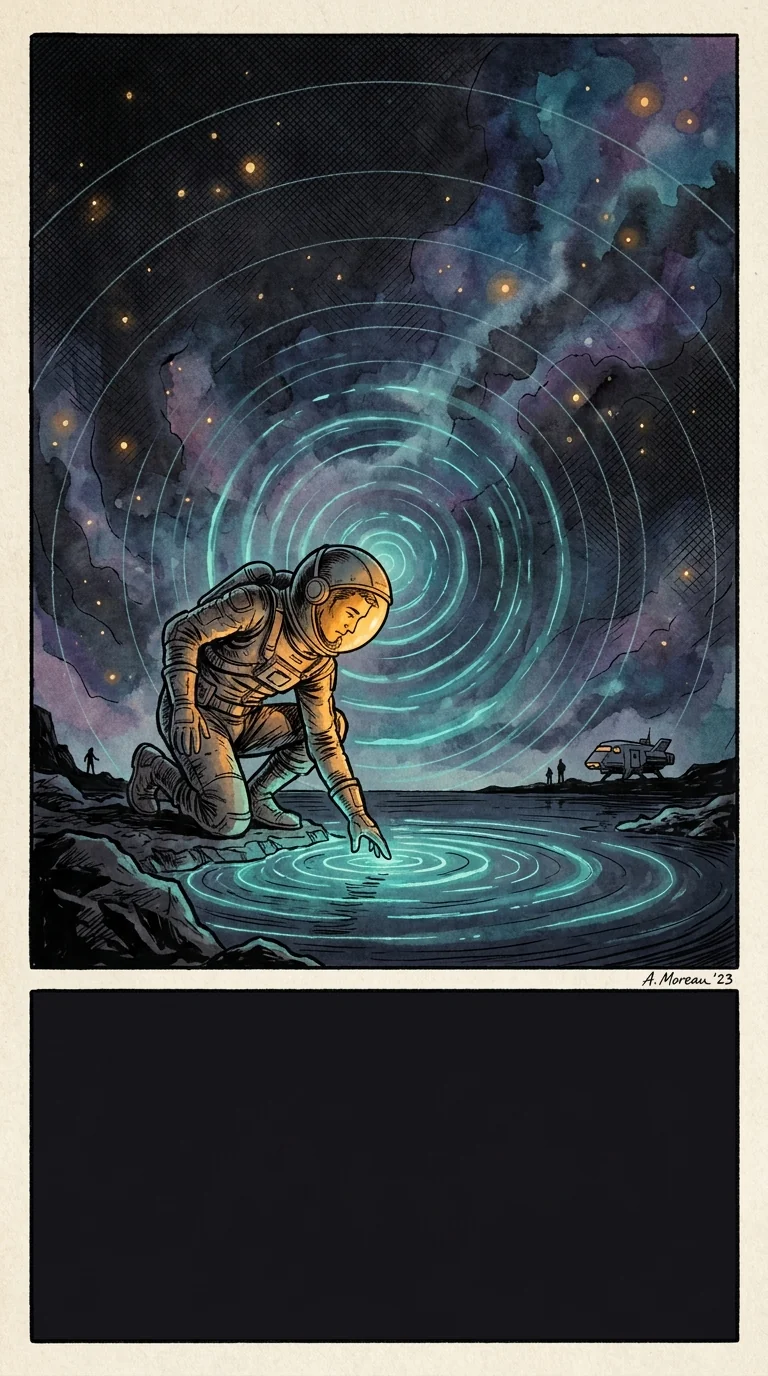
Your small, consistent decency travels further than you'll ever track. The question isn't whether you're making ripples — it's whether you're making them on purpose.
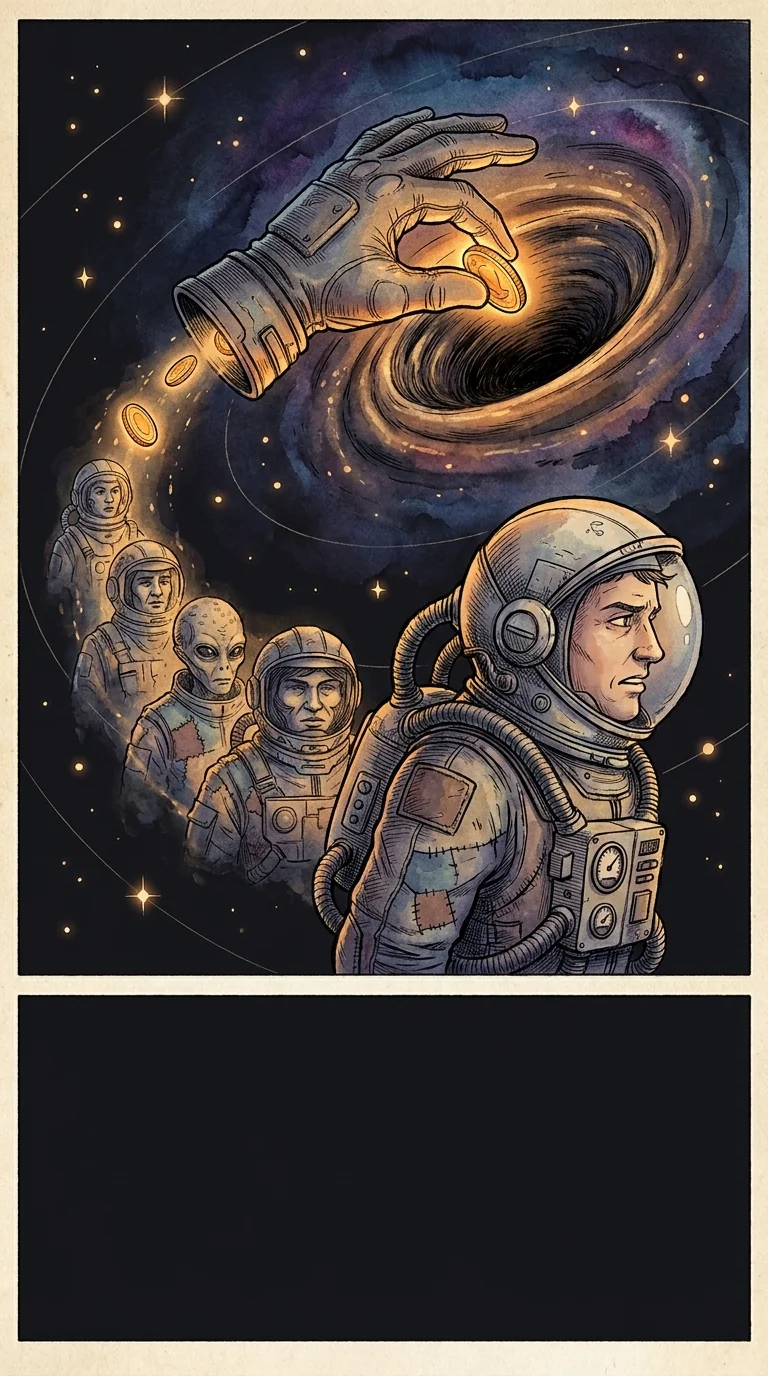
Most acts of decency feel like tossing a coin into a black hole — you never see the landing. So the brain labels them pointless, and you stop tossing.
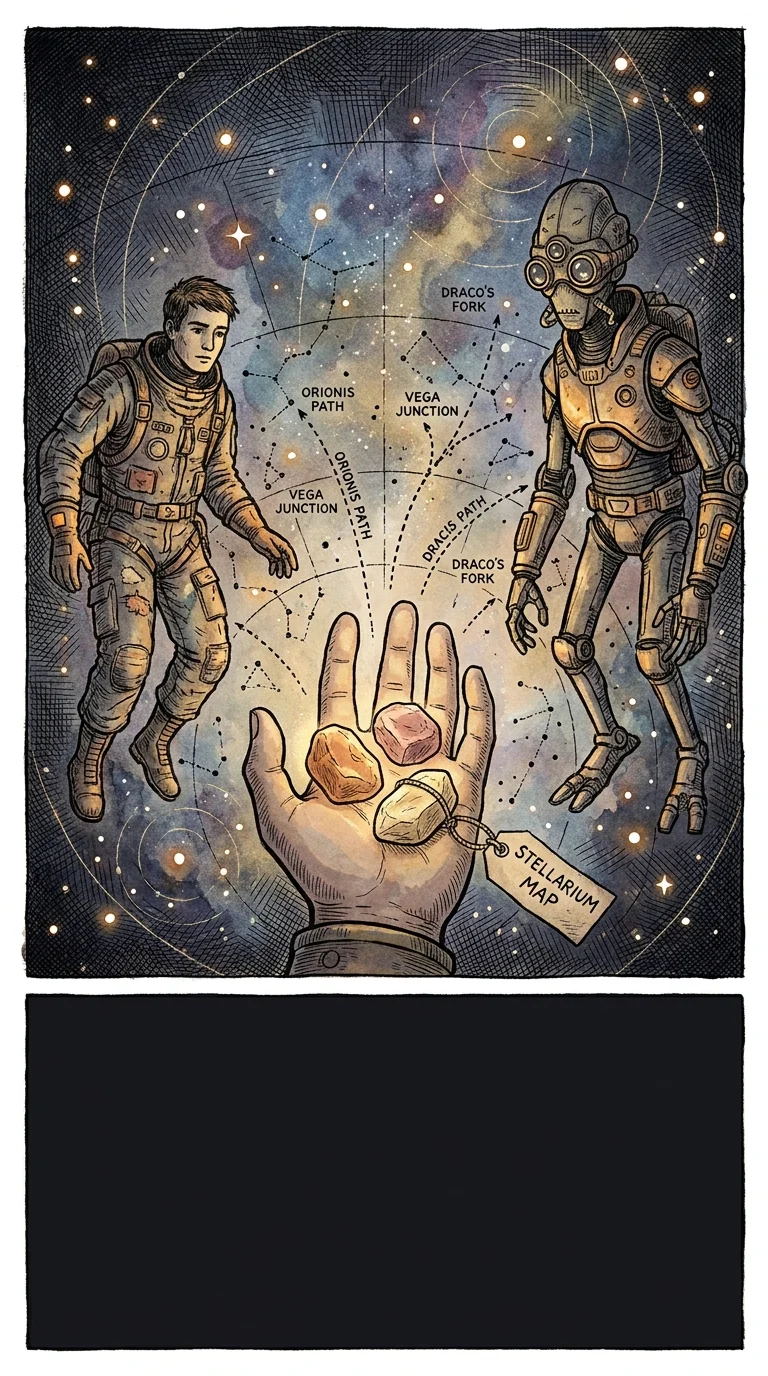
The trick is building a practice that doesn't depend on seeing the landing. We call it the Three-Stone Drop — three deliberate, tiny acts each day, aimed at people you may never hear from again.
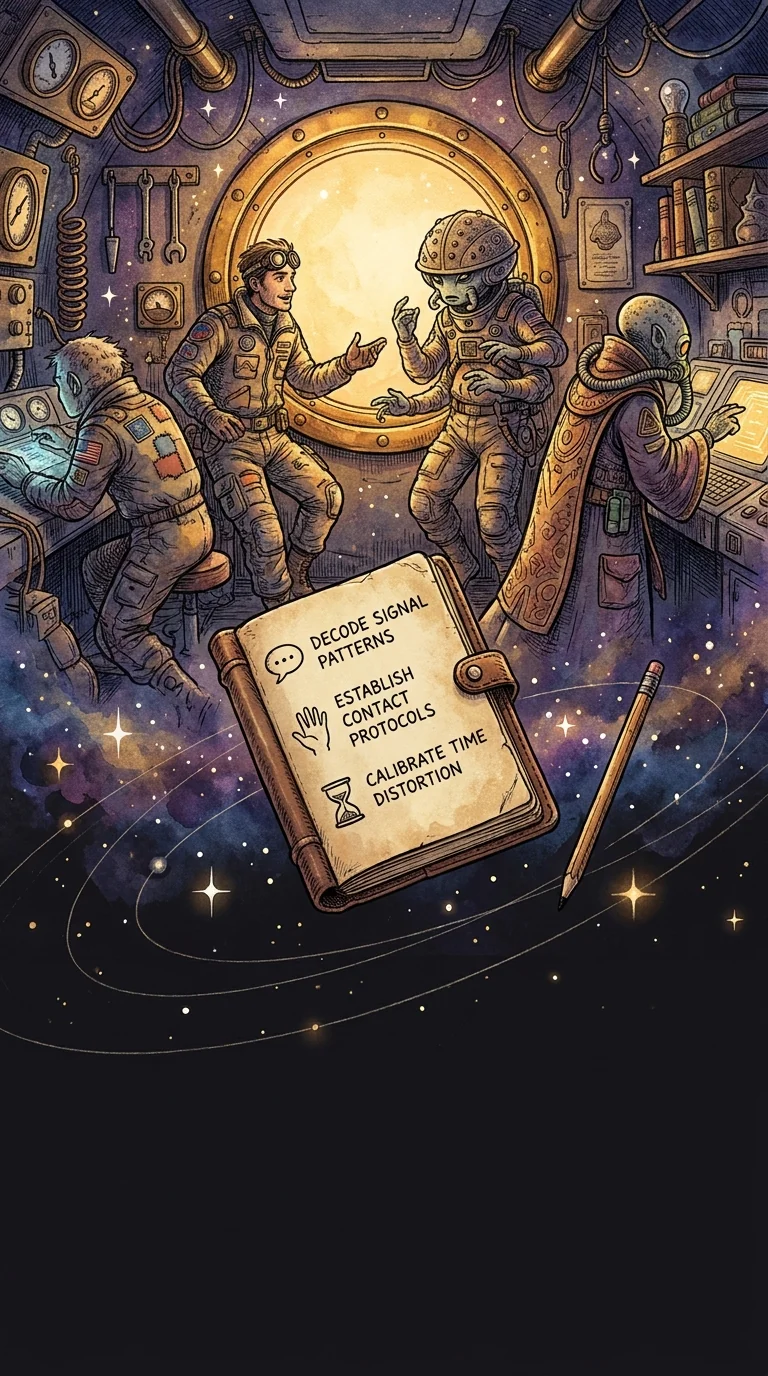
Each morning, pick three stones. One: a specific compliment to someone you'd normally pass. Two: a small, unrequested favor. Three: patience where you'd usually rush or snap. Drop them and walk away — no tracking, no scorecard.
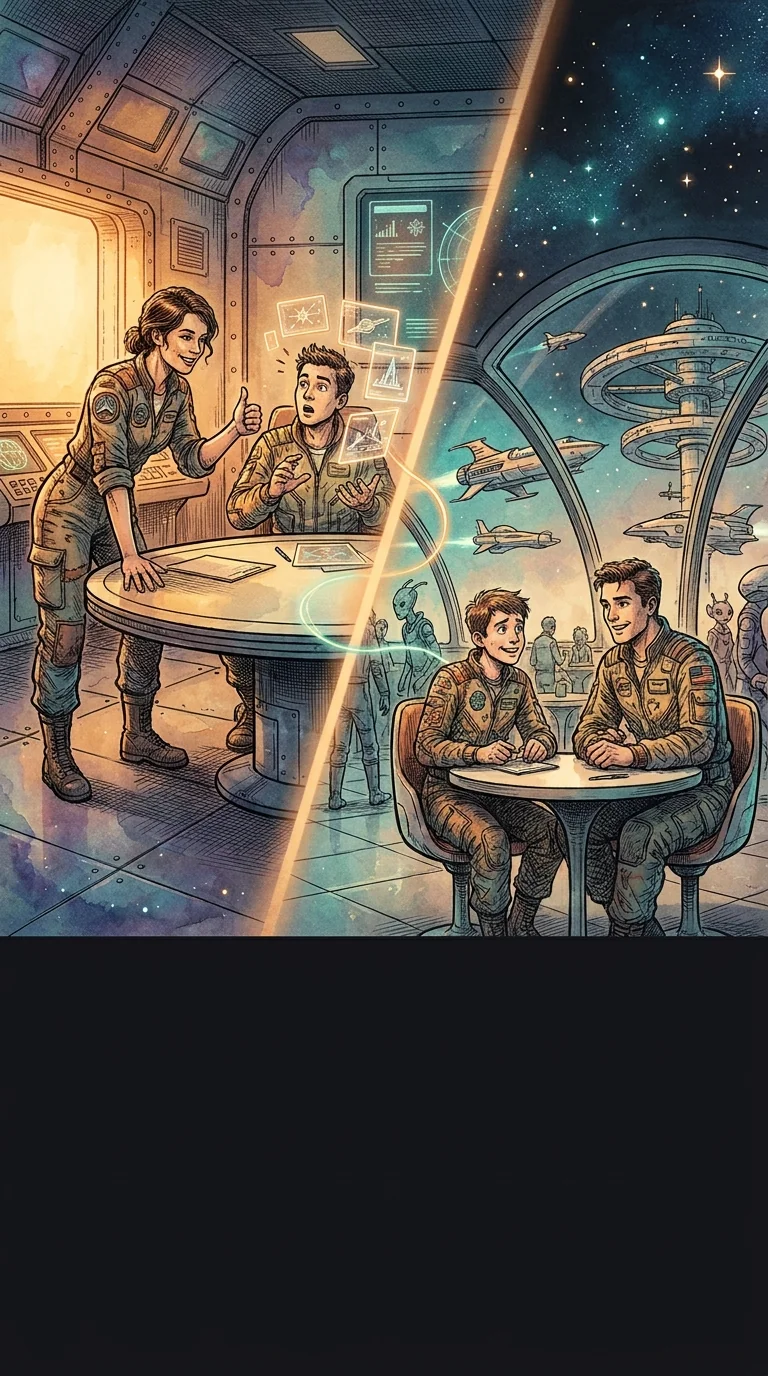
Sarah tried it for a week. On day three she told a coworker his presentation setup was genuinely clever. Two months later that coworker credited the comment as the reason he mentored a struggling intern. Sarah never heard about it — until she did.

You won't see most of the landings. That was never the point. Drop the stones anyway — the network is bigger than your line of sight, and it's already carrying what you put in.