The Better Story
Every crew that ever held together — and every crew that ever fell apart — was organized around a story. Who are we, who are they, what's the mission, how does it end. You don't get to opt out of living inside one.
Part 1: The Better Story — Concept
+5 XP on completion
Every crew that ever held together — and every crew that ever fell apart — was organized around a story. Who are we, who are they, what's the mission, how does it end. You don't get to opt out of living inside one.
The recruitment pipeline you've studied for twenty days? It works because it offers a story — a clean one. Enemy identified, hero role assigned, ending guaranteed. The fact that it's a lie doesn't make it less magnetic. It makes it more.
Here's what nobody admits: you can't beat a story with a fact sheet. You beat a story with a better story — one that's complicated enough to be true and generous enough to include people who aren't you.
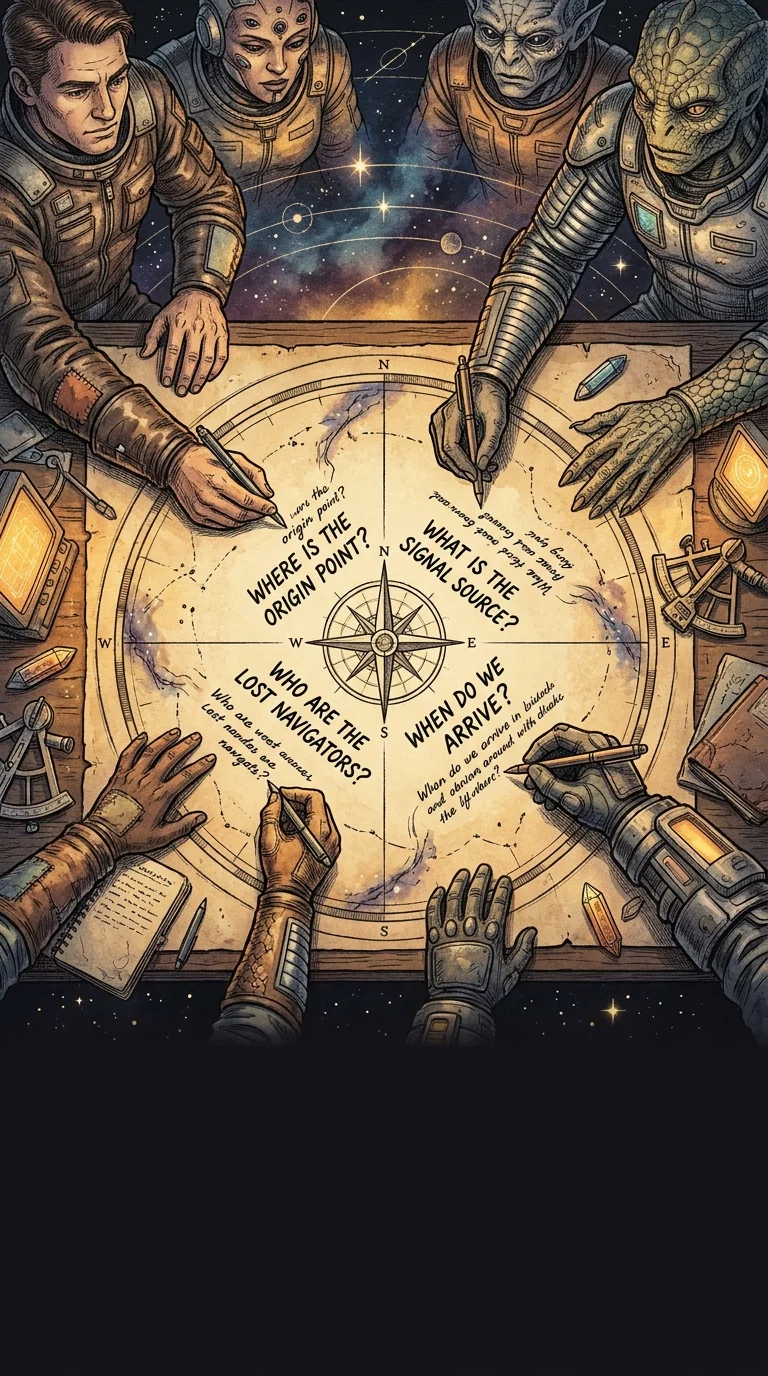
A better story answers the same four questions the toxic one does — who we are, who they are, what this is for, how it ends — but it answers them without requiring someone else to be subhuman. That's the whole test. It's a low bar, and most of the loudest stories in the galaxy still can't clear it.
Marcus spent two years inside a story where the ending was conquest and the 'they' were everyone outside his feed. When he left, he didn't stop needing a story. He just found one where the people across the table got to be people. It was harder to tell. It was also the first one that didn't require him to stay angry to make sense.
You've spent twenty-one days learning how bad stories recruit, how they hold, and how they break. Now it's time to draft your own — the one you'll actually live in. In Part 2, you'll write the four answers that make your story hold together without making anyone else less than human. See you there.
Part 2: The Better Story — Practice
+10 XP on completion
You're already living inside a story — a set of answers to who matters, who doesn't, and what all of this is for. The only question worth asking right now is whether you chose it or whether it was installed while you weren't looking.
The recruited version of the story is always the same template: you are under siege, they are the disease, and purging them is the cure. It's not compelling because it's true. It's compelling because it's simple, and your exhausted brain will accept simple over accurate every single time.
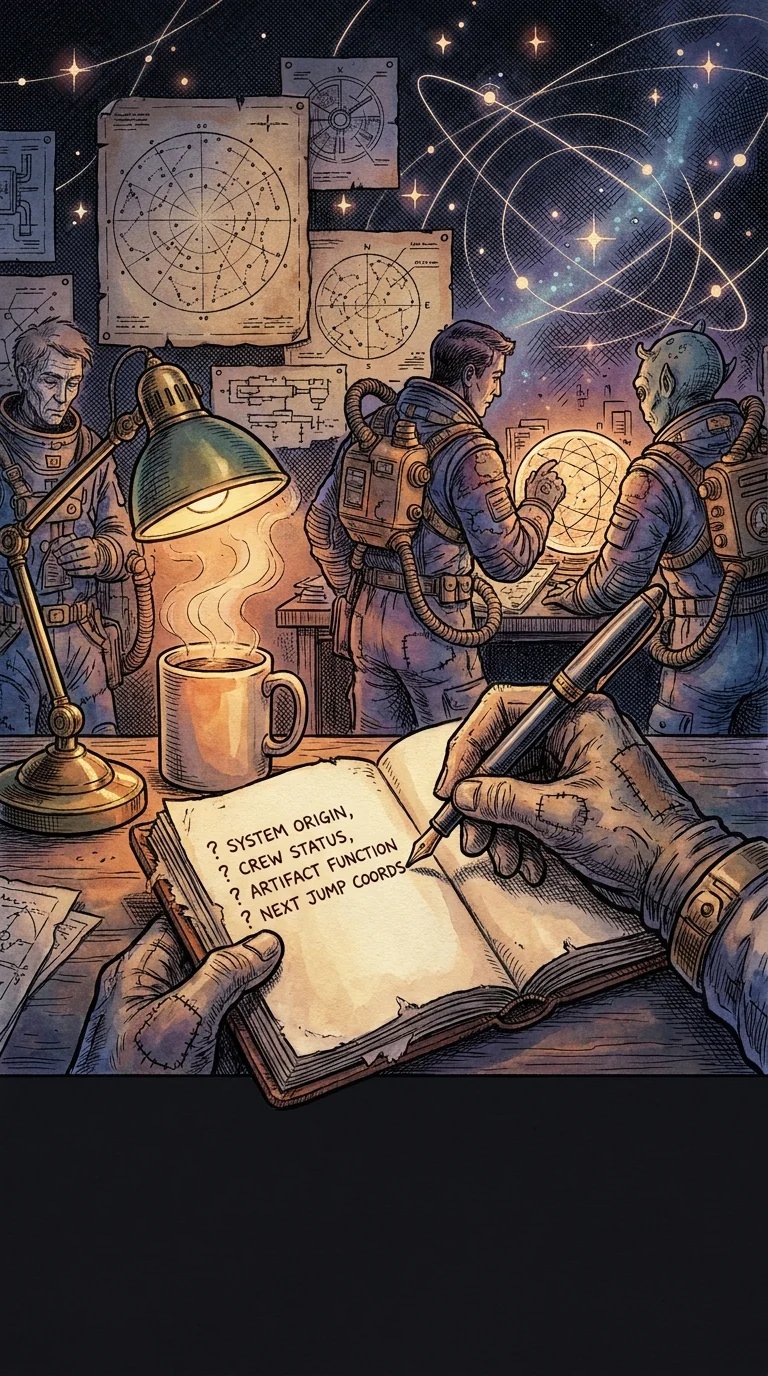
Here's the practice. It's called the Story Audit — four questions you write down, in your own hand, about the narrative you're currently running. Not the one you'd post about. The one that's actually driving your Tuesday-afternoon decisions.
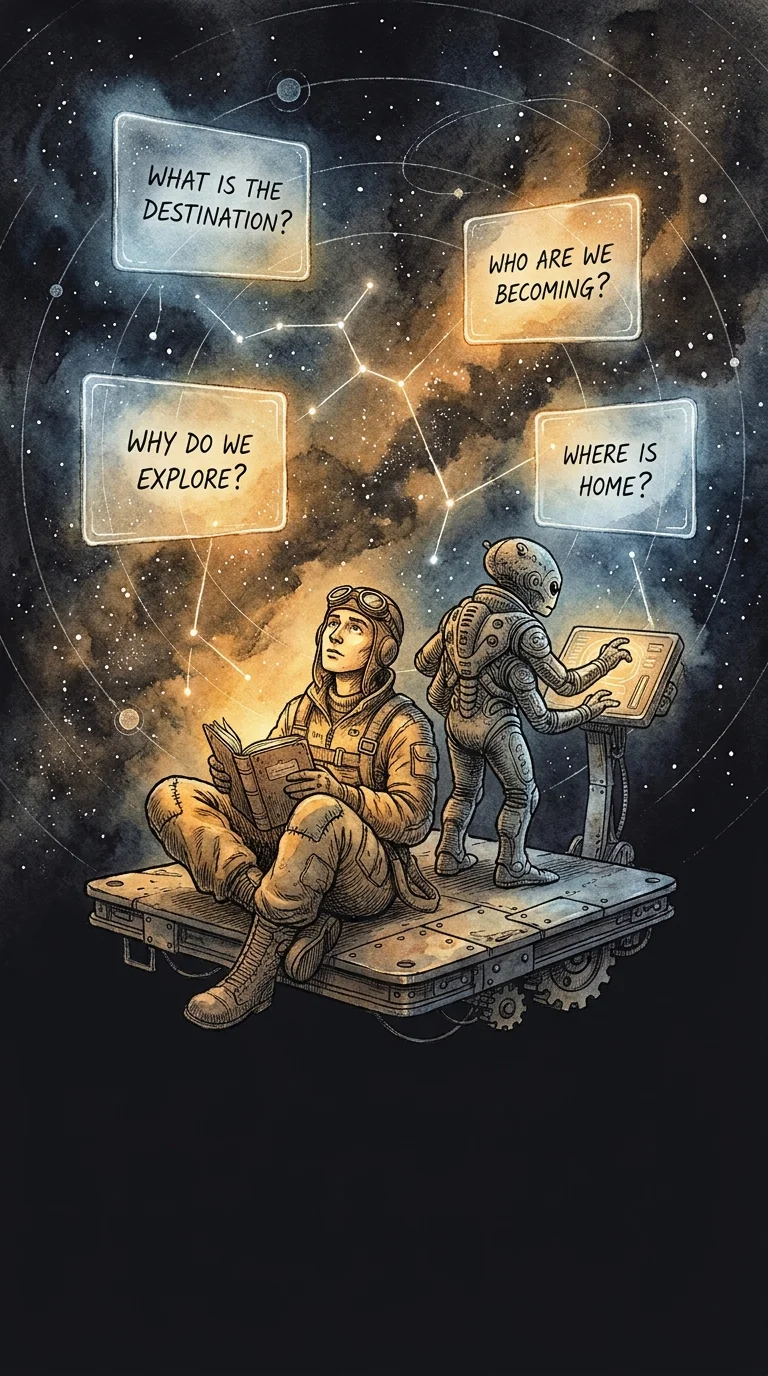
Question one: Who is 'us' in my story — and who did I leave out? Two: Who is 'them' — and what do I not actually know about them? Three: What's my story for — revenge, safety, belonging, something bigger? Four: How does my version end — and could I live in that ending? Write the real answers. The uncomfortable ones are the only ones that count.
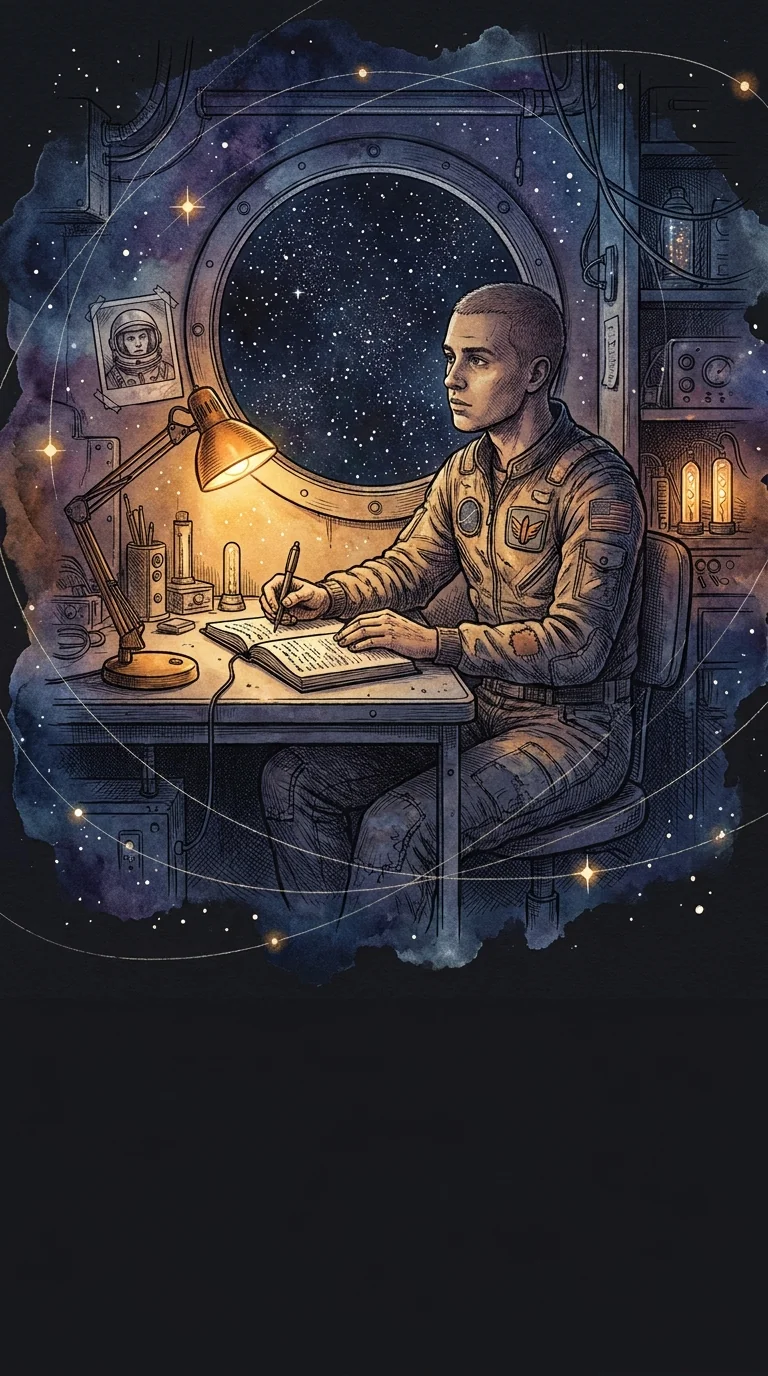
Marcus sat with his journal in the quiet after everyone else had logged off. For "Who is 'them'?" he'd written a name — someone real, someone he'd reduced to a category. He stared at it for a long time. Then he wrote a second line underneath: "I don't actually know what his life is like." That sentence cost him something. It was also the first honest thing he'd written in months.
You've spent twenty-one days learning how recruitment works, how your brain gets hijacked, and how to build something real instead. The story you write from here doesn't need to be perfect. It needs to be yours — honest, revisable, and big enough to include people you haven't met yet. That's not the end of the work. That's the start of everything it's for.