Real Belonging vs. Bonding Over an Enemy
You're at a party where you don't know anyone, and then someone leans over and mutters, "Can you believe that guy?" Instant bond. You've just met your new best friend — and all it cost was a stranger's dignity.
Part 1: Real Belonging vs. Bonding Over an Enemy — Concept
+5 XP on completion

You're at a party where you don't know anyone, and then someone leans over and mutters, "Can you believe that guy?" Instant bond. You've just met your new best friend — and all it cost was a stranger's dignity.

Shared dislike is the fastest social glue in the galaxy. It requires zero vulnerability, zero self-disclosure, zero risk — just a common target. Which is exactly why it feels so good and builds so little.
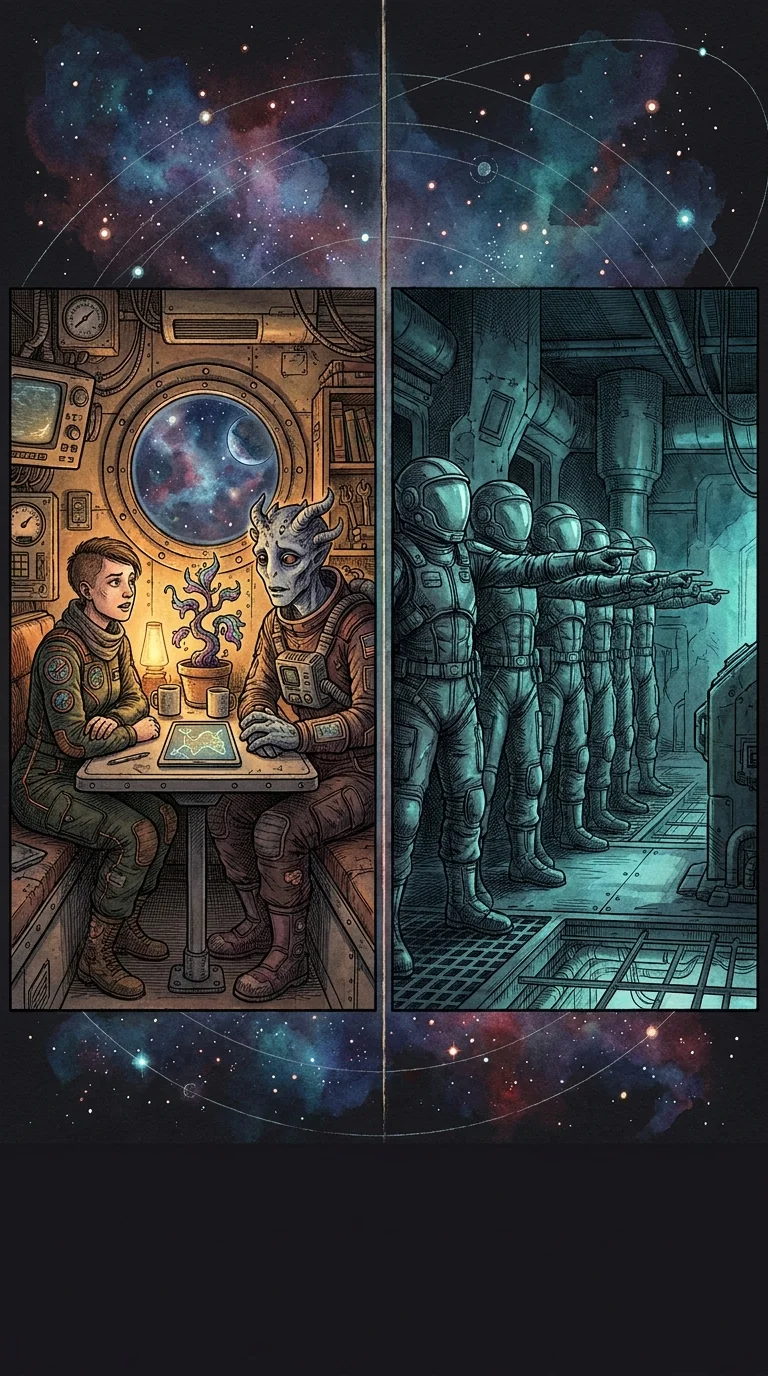
Real belonging asks you to be seen — your actual weird, uncertain self. Enemy-bonding asks you to look in the same direction and point. One of those things is connection. The other is a firing squad with better PR.
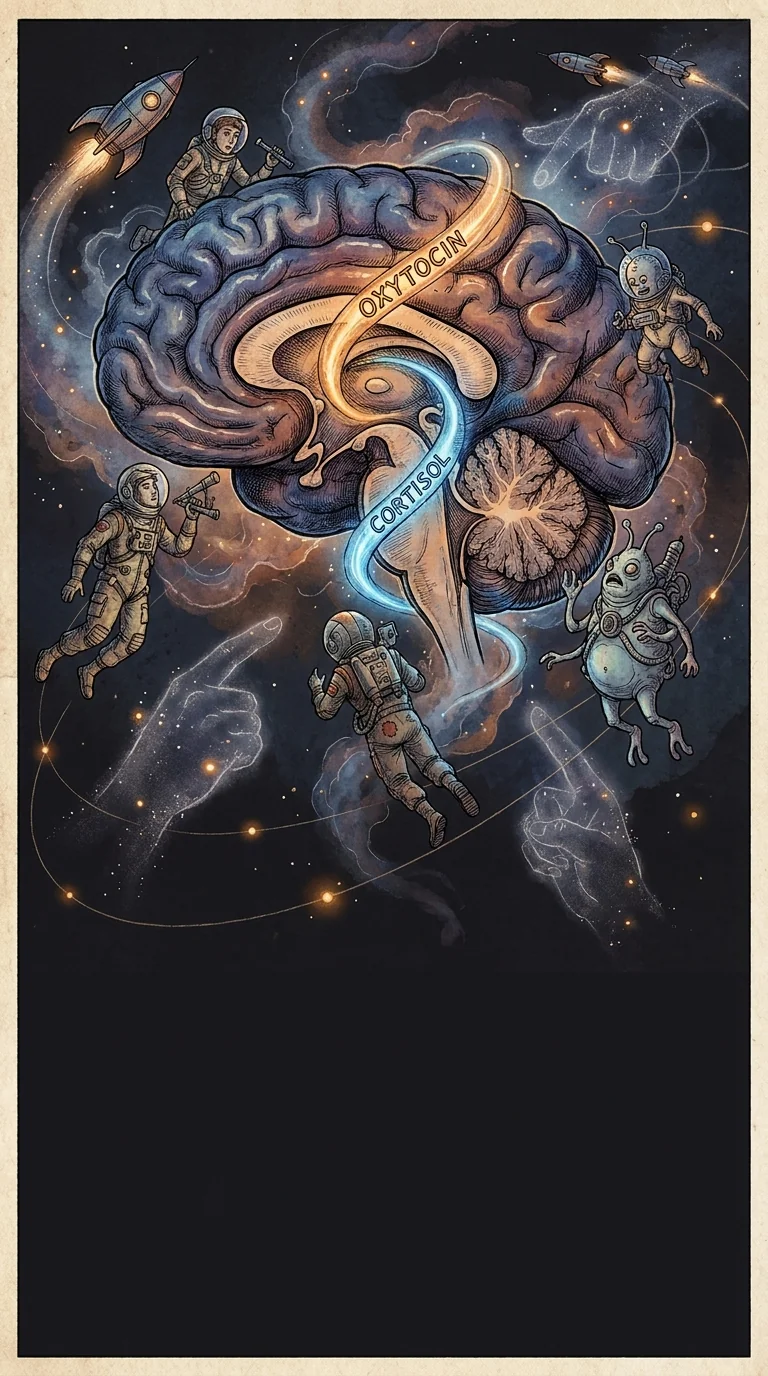
Here's the mechanism: enemy-bonding floods you with oxytocin — the same chemical as a hug — while cortisol keeps the threat alive. You feel close AND righteous. Your brain registers it as tribe. It's neurochemically identical to love, except it evaporates the moment the enemy does.

Marcus moved to a new city and found a group fast — they all couldn't stand the same online personality. Months later, that personality quit the internet. The group chat went silent in a week. Marcus still had no one who knew his middle name.
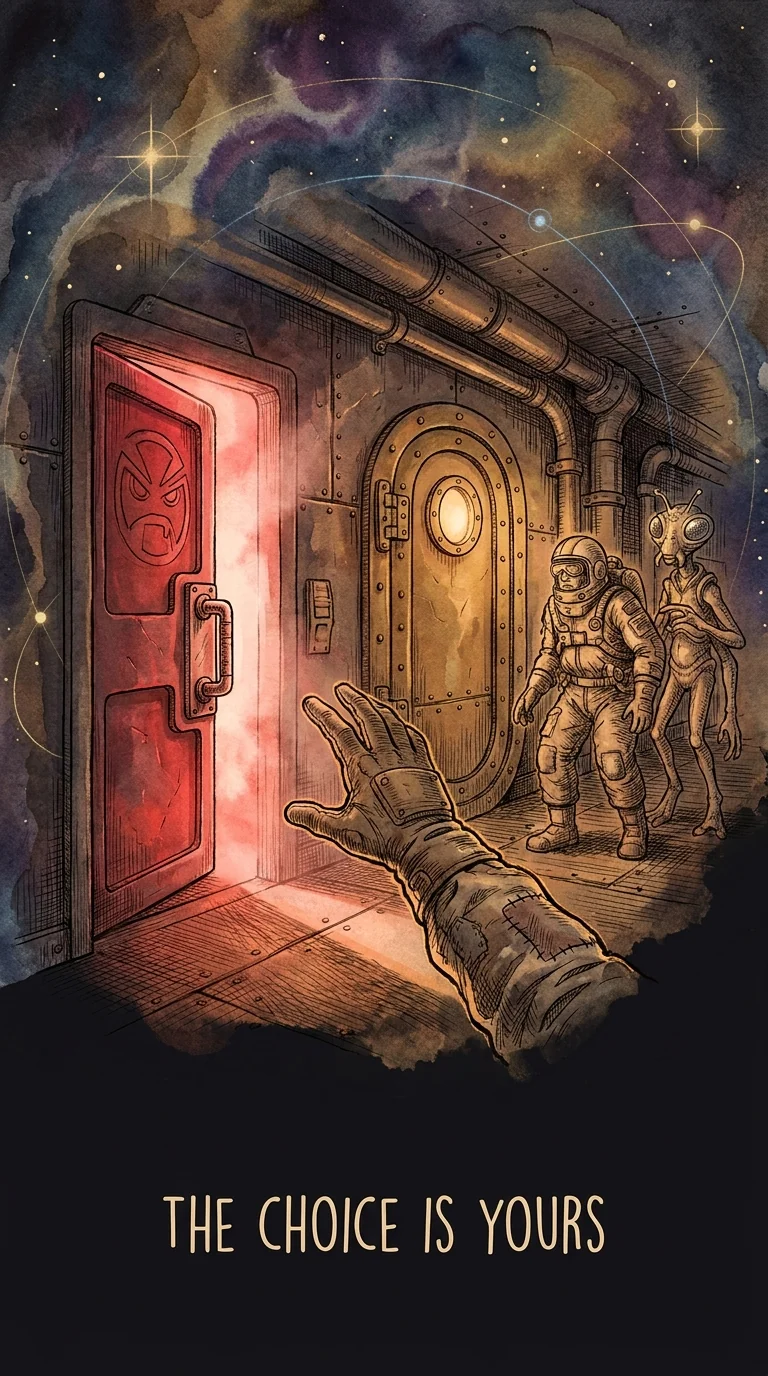
Enemy-bonding isn't evil — it's a shortcut your brain offers because real belonging is slower and scarier. The trick is noticing when you're reaching for the shortcut. In Part 2, you'll practice spotting enemy-bonds in your own life and testing what's underneath them. See you there.
Part 2: Real Belonging vs. Bonding Over an Enemy — Practice
+10 XP on completion
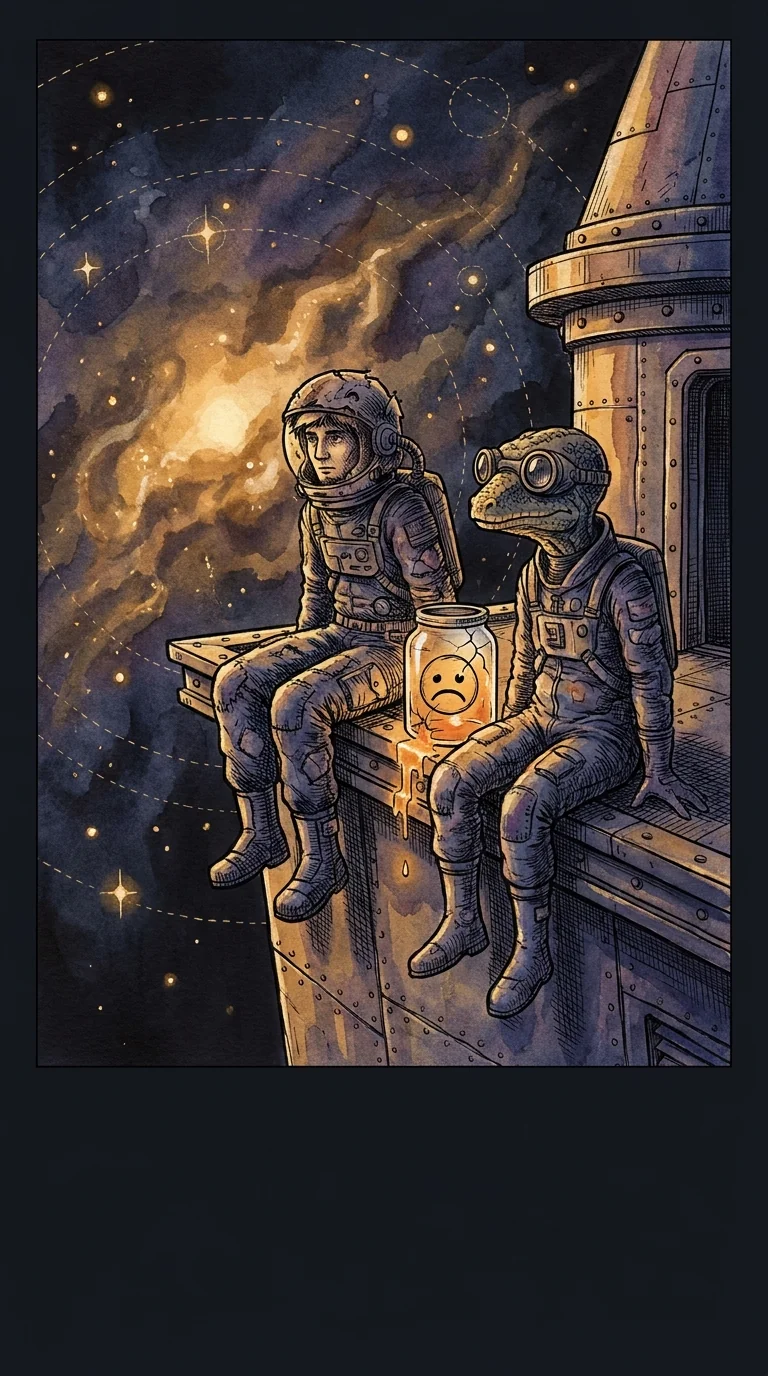
Bonding over a shared enemy is fast glue — but it dissolves the moment you run out of people to resent. So how do you build the version that holds?
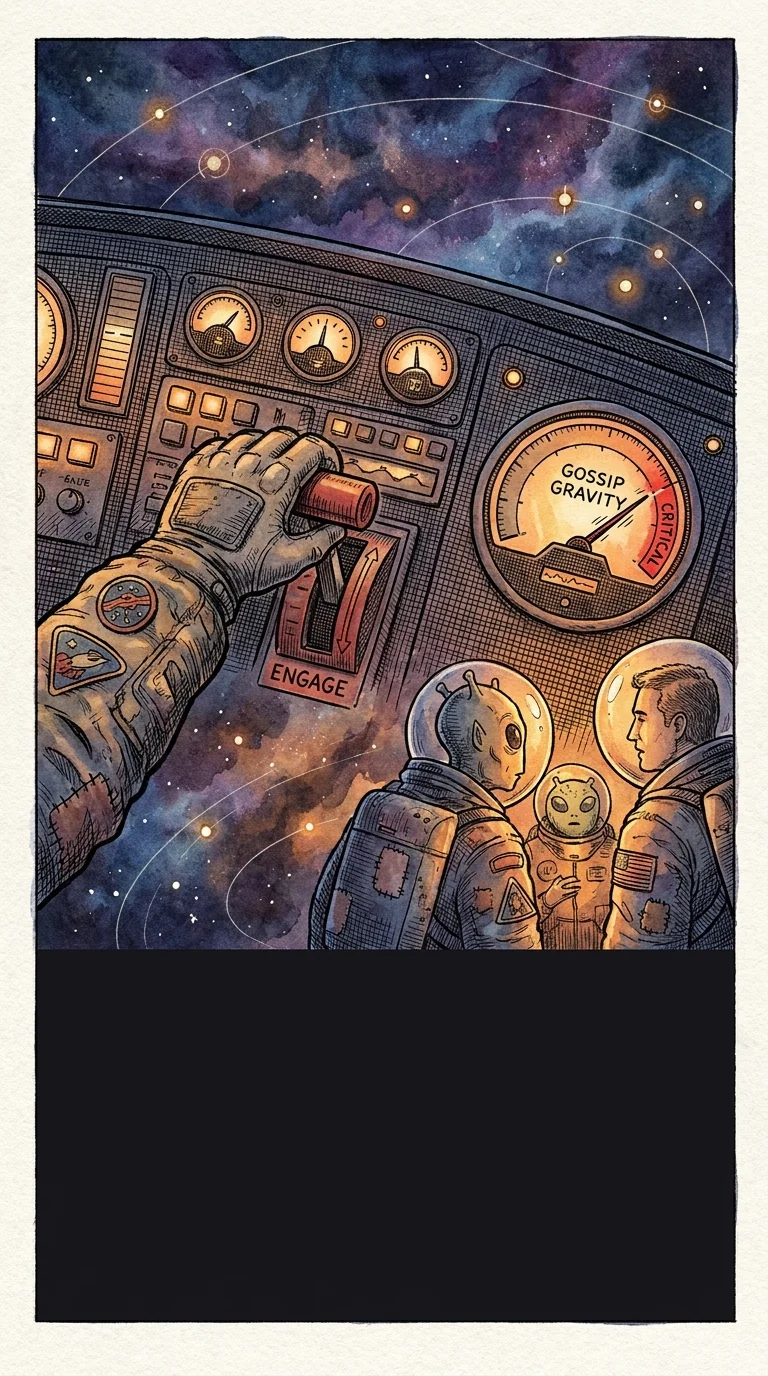
Next time you're in a conversation and the gravitational pull toward trashing someone kicks in — and it will, because brains love that shortcut — notice the pull before you follow it. That's the whole first move.
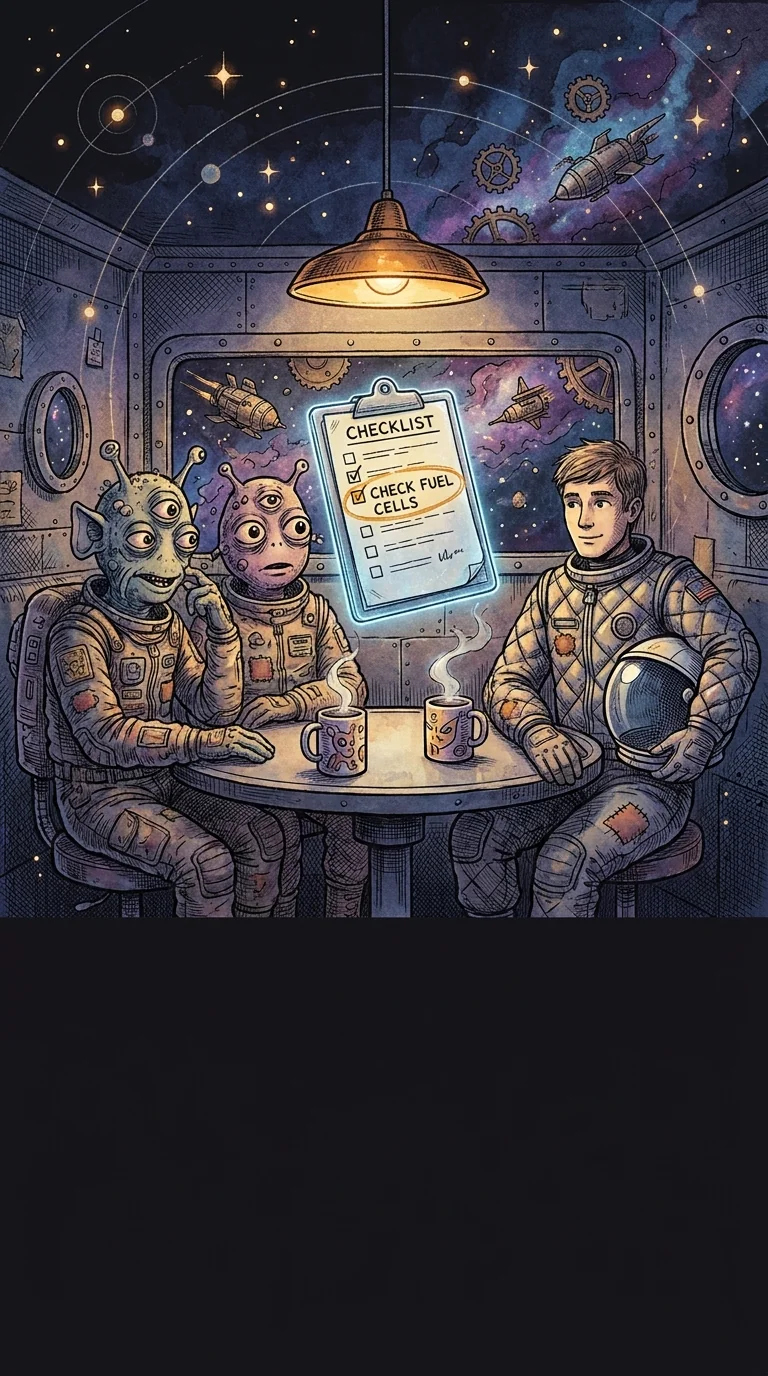
We call this the Bond Audit. When you catch yourself mid-trash-talk, ask one question: "What do we actually share besides this complaint?" If the answer is nothing — you've found the crack in the hull.
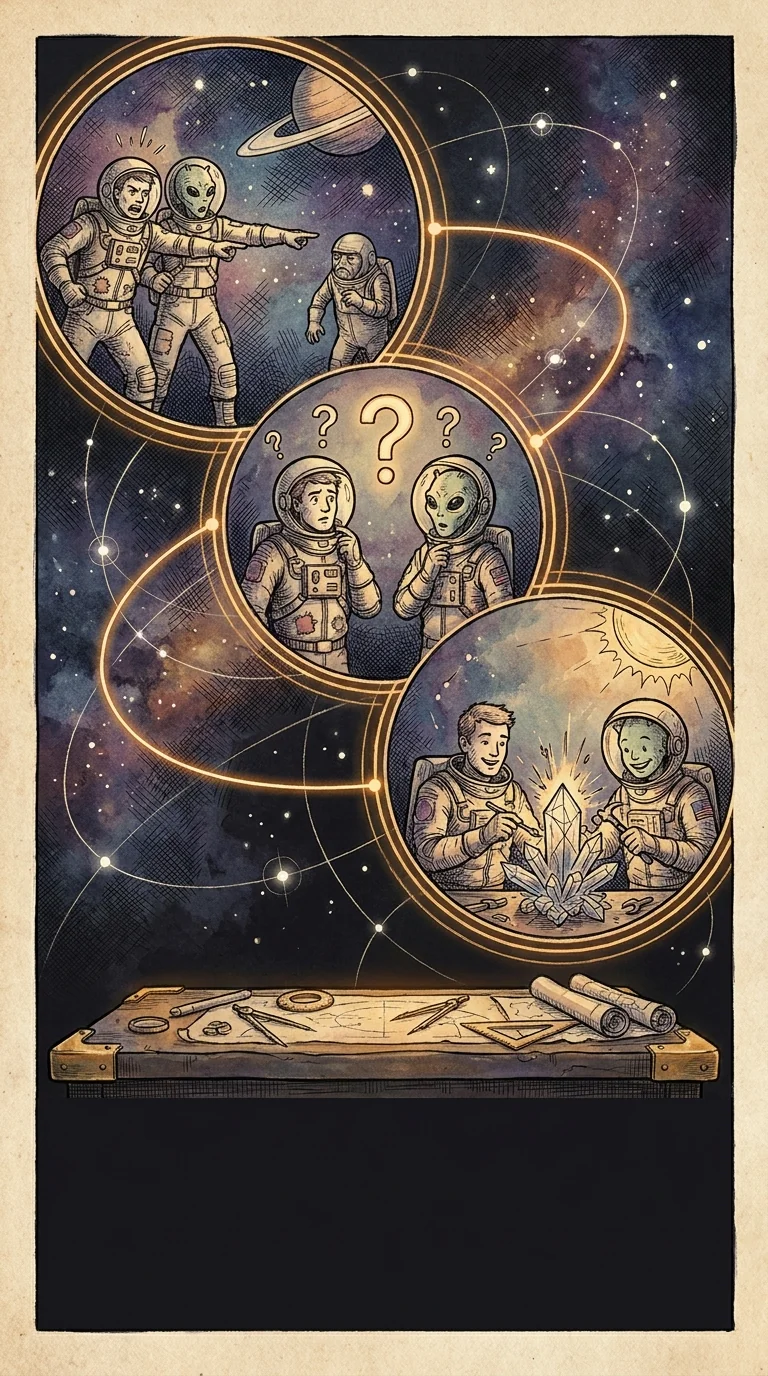
Here's how it works. Step one: notice the complaint-bonding moment. Step two: ask the audit question. Step three: pivot — name one real thing you share. A value, a weird hobby, a hope. Redirect the gravity toward something that doesn't need a villain to survive.

Marcus caught himself mid-rant about a coworker at lunch. Stopped. Asked his friend, "Hey — what are you actually excited about right now?" Awkward pause. Then twenty minutes about her kid learning piano. Weird how real connection sounds nothing like a roast session.

You don't need to be perfect at this. You just need to catch the pattern once, redirect once, and feel the difference. That one pivot teaches your brain something no lecture can — what belonging sounds like when it's not borrowed from someone else's expense.